
This post may contain affiliate links. We may earn a commission if you buy through them, at no extra cost to you. See our Affiliate Disclosure.
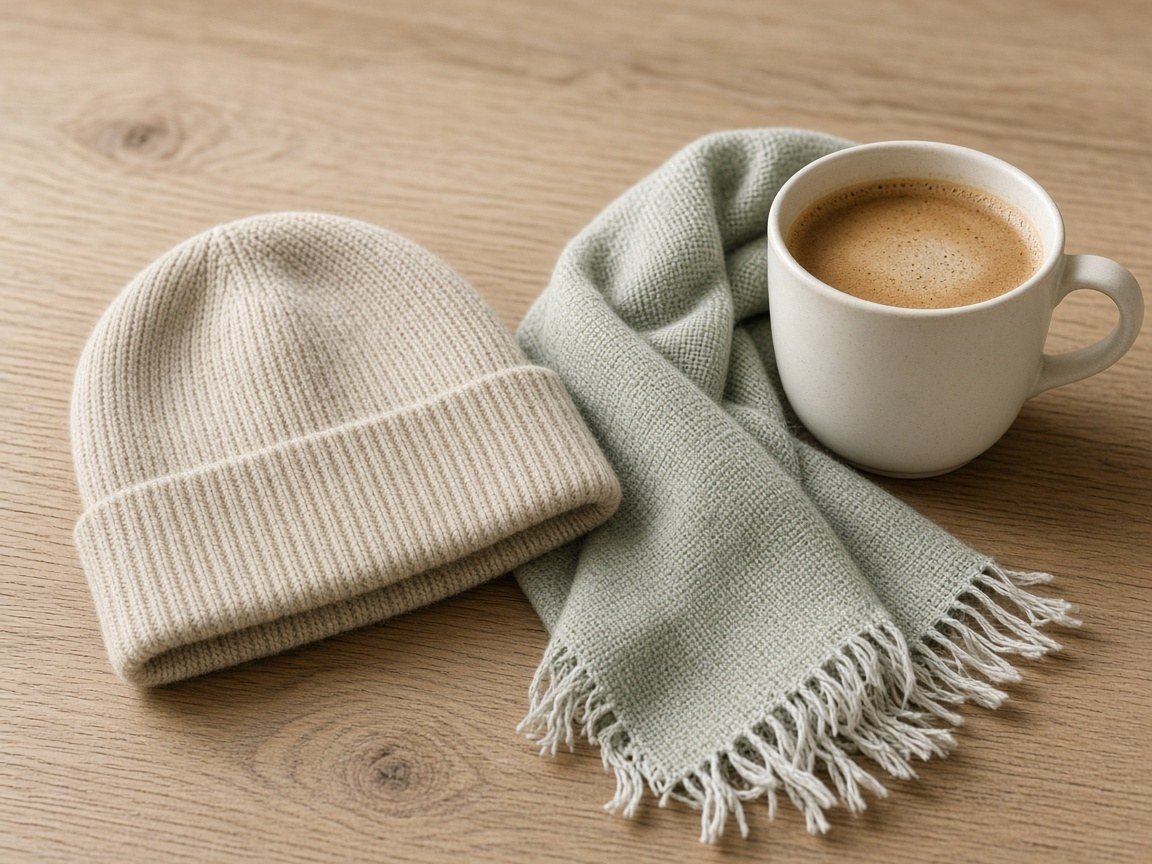
Learning how to choose a beanie for early autumn means picking thin knits you can peel: enough for cool mornings, light enough that you are not sweating by lunch.
Quick answer
Choose a fine merino or light wool beanie, skip thick ski caps until nights are consistently cold, and pack one that rolls into a jacket pocket.
Key takeaways
- Fine gauges beat chunky ski hats in September.
- Merino manages damp morning air.
- Pocketable beats oversized.
- Peel before you overheat.
See hand-knit wool hats, French Knot and early autumn knit layering.
What thickness works in early autumn?
| Beanie type | Best for | Skip if |
|---|---|---|
| Fine merino or light wool | City mornings, travel | Deep winter expeditions |
| Cotton or cotton blend | Mild days | You need odour control on long trips |
| Thick cable or fleece | Hard frost | Warm September afternoons |

Fit and packing tips
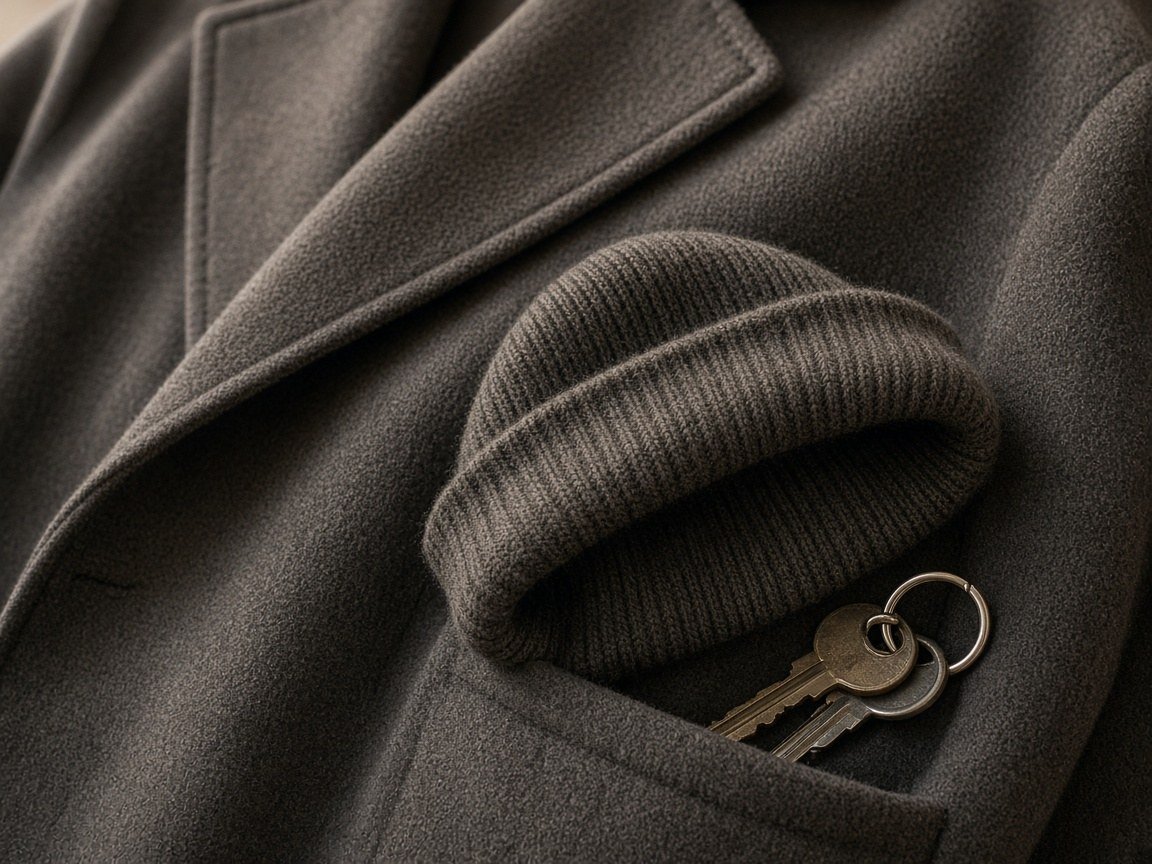
- Snug enough to stay on in wind, not so tight it gives a headache.
- Roll into a jacket pocket or pouch.
- Carry it instead of wearing it once you warm up.
- See merino wash for care.
When a headband is enough
If only your ears get cold on the walk to the train, a thin headband or ear band may be enough. Save a full beanie for windier days.
Fibre picks for transitional weather
Merino handles damp morning air and still packs small. Cotton feels soft but can stay damp. Acrylic is cheap and warm but may pill faster — fine for a backup, less ideal as your only travel hat.
FAQ
Fine merino is designed next-to-skin; sensitivities vary.
Follow the label; many merino beanies allow a wool cycle in a mesh bag.
One light beanie usually covers early autumn.
A beanie packs smaller; a hood stays attached to a jacket.
Bottom line
Early-autumn beanies should be thin, peelable and pocketable — not midwinter ski gear.