
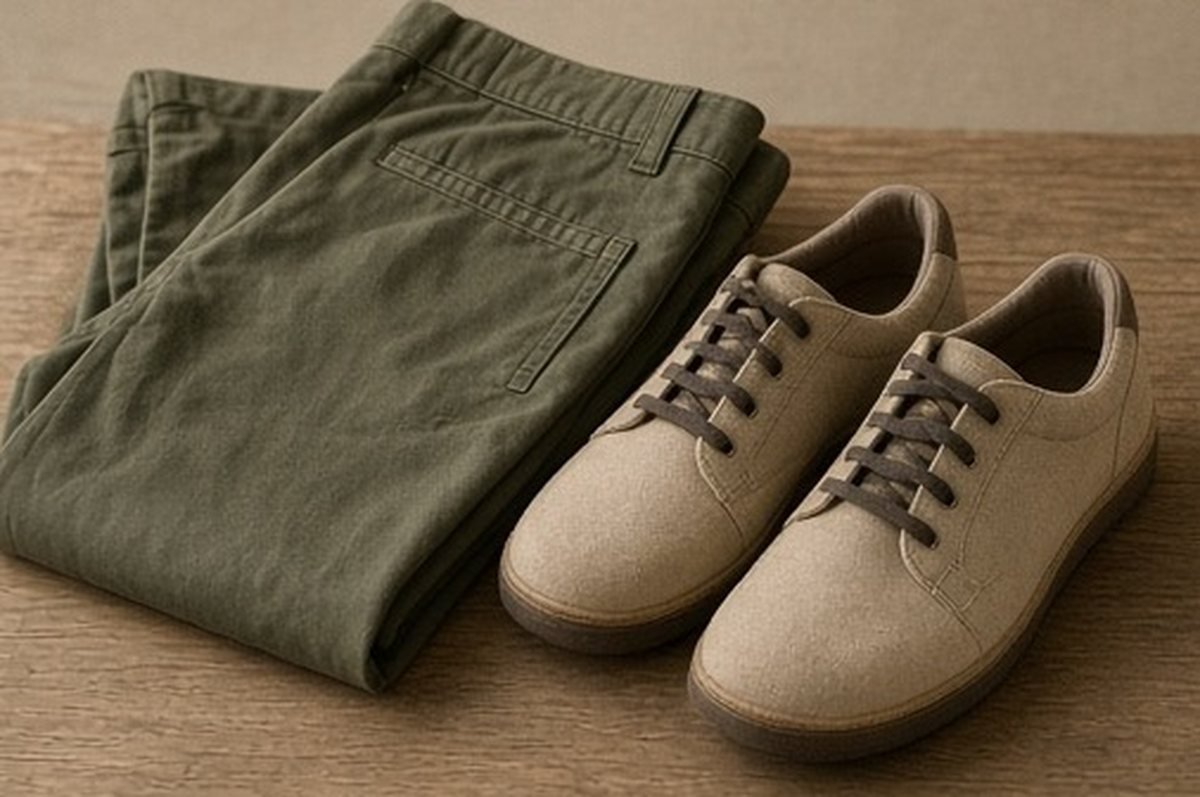
Planning to do laundry halfway through a trip can reduce what you carry, but only if that laundry stop is real. A vague intention to find somewhere on day four is not the same as knowing what is available, how long it takes and when the clothes will be ready to wear. Build the packing plan backwards from the practical details.
For a week away, one laundry session may be enough for some travellers and entirely unsuitable for others. Activities, climate, access needs and personal preferences all affect the calculation. This is a planning framework rather than a fixed clothing count. Keep enough clean essentials to remain comfortable if the plan changes.
Verify the laundry opportunity
Check whether the accommodation has guest facilities, a paid service or clear information about nearby options. Establish hours, access rules, payment methods and whether drying is available. Do not assume a listing that mentions laundry means you can wash a small load whenever you want.
If you will use a local laundrette, confirm current information close to the trip. Travel time and waiting time belong in your itinerary. A perfectly convenient place on a map can be unhelpful if it is closed on your only free evening. Avoid scheduling the session so tightly that one delay disrupts everything.
Put the stop before the last clean set
Choose a laundry day that leaves a buffer rather than waiting until every washable item is dirty. A machine may be occupied, a service may take longer than expected or weather may change your plans. Having another comfortable outfit allows you to adapt without turning the day into an emergency.
Include what you will wear while the load is being washed and dried. This sounds obvious until a very small capsule sends all suitable clothes into one machine. A separate outfit is part of the system, not evidence that the packing plan has failed.
Sort by care compatibility before counting
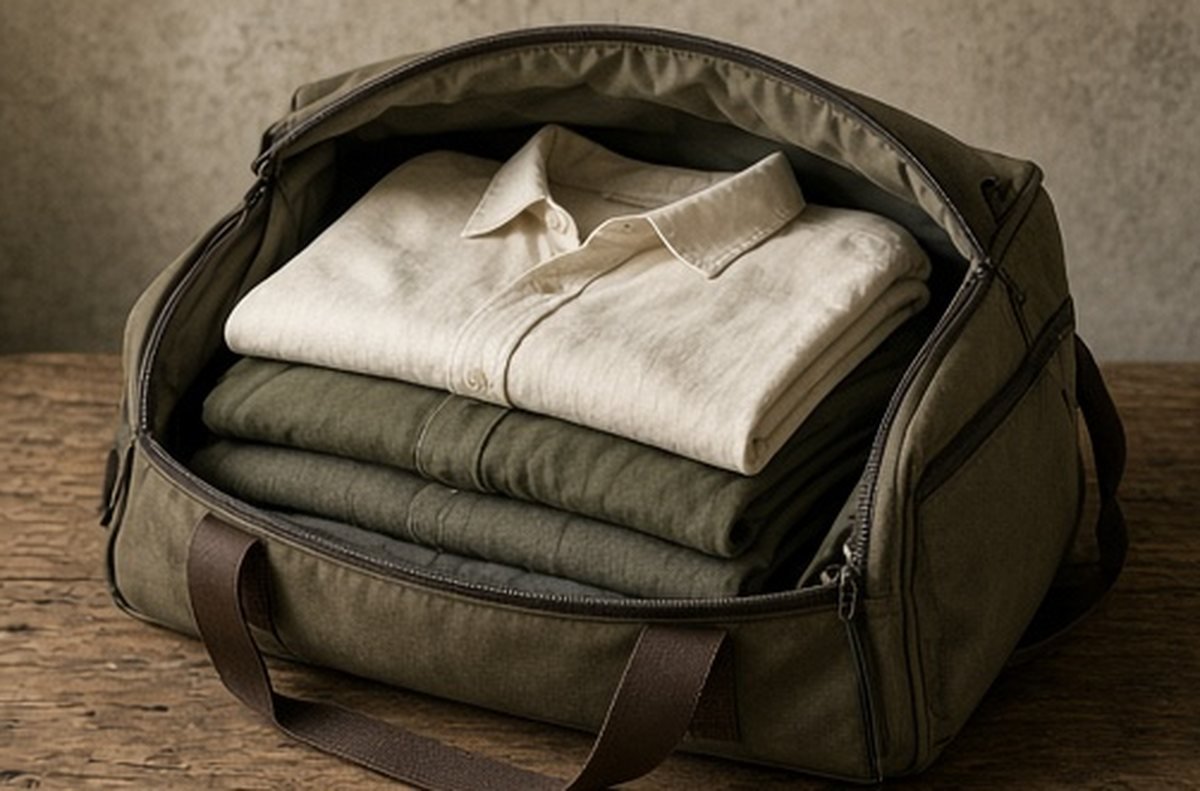
Lay out the proposed garments and compare their instructions. A single laundry stop is simpler when several everyday items can be cared for appropriately together. Do not force incompatible fabrics into one cycle merely to preserve the appearance of a minimalist list.
Separate specialist-care pieces from the general wash plan. If a dress or knit needs treatment that will not be available, decide whether you can wear it without cleaning during the trip or choose another piece. Care requirements can be more important than how small an item rolls.
Map outfits on both sides of the wash
Write the days from arrival to departure and place the known activities beside them. Assign clothes to the first part of the week, then identify which pieces must be ready after laundry. This reveals whether the plan depends too heavily on one garment drying quickly.
Do not assume each day needs an entirely different look. Repeating an outfit can be practical when the clothing is suitable to rewear. But inspect condition and respect your own comfort rather than letting a packing chart dictate hygiene. Different activities can soil clothing very differently.
Keep underwear and socks realistic
Calculate these categories separately from outer clothes. Choose quantities based on your preferences, activity and verified washing access. Avoid relying on a brand's repeat-wear message as permission to reduce clean essentials below what you are comfortable using.
Pack a buffer that remains dry and accessible. If some luggage is checked, consider what you would need after a delay. The right reserve is personal, but it should address plausible disruption rather than every imaginable scenario. A modest backup can support light packing by making the main system less fragile.
Account for drying, not just washing
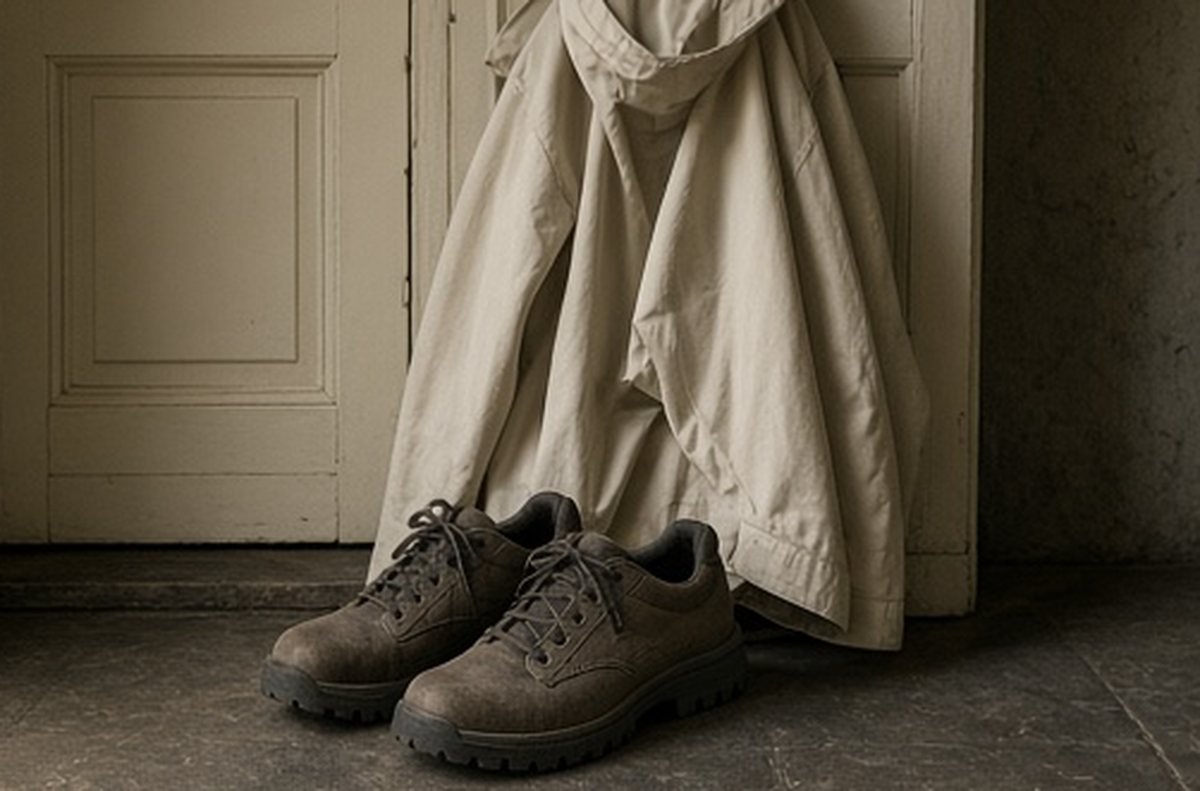
A garment is not available when the wash finishes; it is available when it is dry and ready to wear. Waistbands, pockets and thicker seams may take longer than the main fabric. Humid rooms can be challenging, and a sunny forecast does not guarantee a suitable permitted drying space.
Follow the care label for any machine drying or flat drying. Do not plan to hang wet clothing over furniture, heaters or fittings that are not intended for it. Respect accommodation rules and avoid causing damage. If suitable drying is uncertain, pack so the trip does not depend on an overnight result.
Choose layers for weather, not for the laundry diagram
Your outer layer and warm layer still need to suit the forecast and activities. Do not replace appropriate protection with a thin item solely because it is easier to wash. The capsule exists to support the trip, not the other way around.
Test the combination before departure. A travel bag, warm layer and rain shell can interact in ways that do not appear when each garment is tried separately. Check movement, pocket access and comfort. If the entire outfit feels awkward, fix that before reducing the number of spares.
Pack the small practical details
Bring any suitable laundry supplies you actually need and are permitted to transport, following travel rules and product instructions. Keep liquids contained. Do not transfer products into unlabelled containers that create confusion or assume any soap in a bathroom is suitable for clothing.
Plan a way to separate used clothes from clean ones without sealing damp items away indefinitely. If something is wet, address drying as soon as practical. A packing cube organises space, but it does not make moisture disappear or clean a garment.
Review the plan after the trip
Record whether the laundry stop happened, what it cost in time and whether any garment was slow to return to use. Note what stayed unworn too. Those observations make the next packing plan more accurate than a generic seven-day checklist.
The goal is not to prove that one small bag can cover every possible week. It is to carry a manageable wardrobe supported by a reliable maintenance plan. When the wash, drying buffer and backup outfit are built in from the start, laundry becomes one ordinary stop rather than the event around which the whole holiday revolves.