
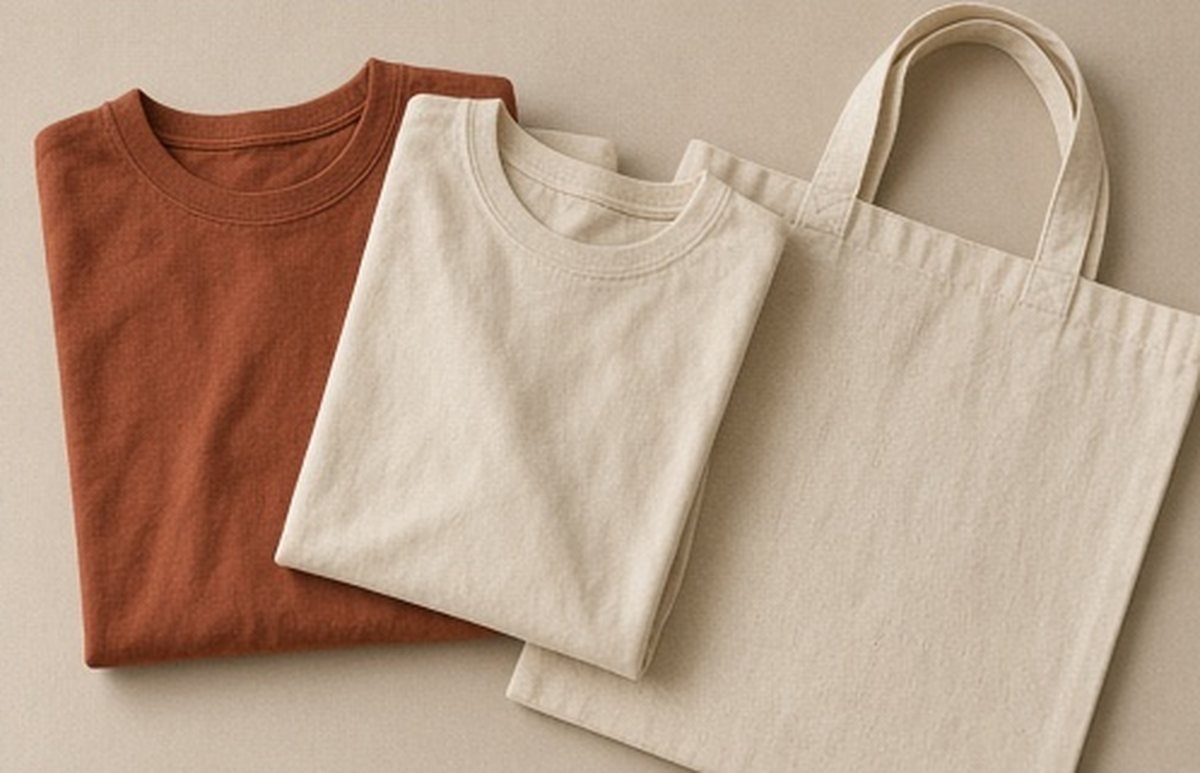
A bundle of secondhand clothing can make a purchase look efficient: several garments, one conversation and perhaps one parcel. The useful unit of value is still the piece you can realistically use. Do not count every item as a wardrobe gain before checking what it is, whether it fits your brief and what work remains.
This guide is a method for evaluating a listing, not a claim about any seller's conditions or a recommendation to buy in bulk. A secondhand bundle can be appropriate, but its appeal should survive an item-by-item assessment. A large count is not automatically a saving if much of the clothing becomes an unresolved project after arrival.
Start with the actual wardrobe need
Write down what you are trying to add or replace before reading the bundle as an opportunity. Perhaps one type of top is missing or a particular everyday garment needs a successor. Keep that brief distinct from the seller's selection of pieces.
Do not let the bundle create a series of new needs simply because the garments are offered together. Something can be attractive without having a practical role in your wardrobe. The first question is not whether you could imagine wearing it once, but whether it belongs to an activity and combination you genuinely expect to use.
Make a line for each garment
Record a recognisable description and the information available for every piece. Distinguish the items that meet the brief from those that remain uncertain or do not have a role. A simple list prevents one appealing garment from lending an unearned sense of usefulness to the entire group.
Do not merge different products under a shared size label. Construction, measurements and prior care can differ even within one brand. The bundle is a selling arrangement, not evidence that every piece fits the same way or has the same condition. Keep the decisions separate while still considering the order as a whole.
Ask for relevant measurements
Use the measurements connected to your fit question and clarify how they were taken. Distinguish a flat garment width from a full circumference and a garment measurement from a body-size label. Ask about the actual item rather than assuming a size chart reproduces its current state.
If the seller cannot provide a crucial detail, leave the uncertainty visible. Do not fill it with a prediction that the garment will stretch, shrink or be easily altered into the right fit. Another piece in the same bundle measuring well does not establish the dimensions or suitability of the one whose information is missing.
Read condition item by item
Look for clear descriptions and useful photographs of the relevant areas. Ask about a specific concern without expecting the seller to supply a technical diagnosis. A listing described broadly as good condition can still leave important questions about a particular piece.
Keep known wear, repairs, alterations and missing components with the relevant entry. Do not assume every mark is removable or every opening is a simple repair. If you need professional assessment, account for that uncertainty before treating the garment as ready. An honest condition note is more useful than a hopeful plan to fix everything after the parcel arrives.
Separate ready use from projects
Mark which pieces would be usable under your actual care and fitting routine, and which need further work. A repair project may be welcome if you want it and can manage it. It should not be counted as equivalent to an immediately useful basic merely because both are clothing.
Avoid assigning yourself several unfamiliar tasks to justify the group price. Time, skill, facilities and interest are real constraints. A smaller number of ready pieces can serve the wardrobe better than a larger collection whose usefulness depends on learning multiple techniques or obtaining several unconfirmed alteration outcomes.

Calculate the whole decision
Consider the actual order total, relevant delivery information and any known care or repair costs without inventing future savings. Divide attention as well as money across the pieces you expect to use. A low apparent cost per listed item can obscure the fact that only part of the bundle meets the brief.
Do not automatically credit resale or gifting for unwanted pieces. Those routes require suitable condition, a willing recipient or buyer and appropriate effort. They may be possible, but they are not guaranteed rebates that should silently make an otherwise unsuitable order appear sensible on paper.
Read the actual transaction conditions
Check the applicable platform and seller information for the specific order. Do not assume a bundle can be separated later, that individual returns are available or that every secondhand transaction follows the same process. Clarify important conditions before committing rather than relying on a general impression of how resale usually works.
Keep the relevant item descriptions and agreed information with the order record. That supports a clear account of what was offered without turning your own expectations into seller promises. The practical aim is understanding the transaction you are actually considering, not collecting reassuring assumptions from unrelated listings.
Accept that declining can be the useful result
After the item-level review, a bundle may still make sense, or the one appealing garment may not justify the whole group. You can decline without needing to prove the clothes are poor value for everyone. Suitability depends on the intended wearer and their actual wardrobe.
Secondhand shopping is most useful when it supplies clothing you can use rather than another backlog to organise. Let the bundle earn its appeal through the individual pieces and the complete transaction. A saving that survives those checks is clearer than one calculated from a large garment count whose practical value has not yet been established.