

A secondhand listing with a familiar size label can still fit badly. Brands differ, cuts change and garments can be altered through wear, washing or tailoring. Useful measurements do not remove every uncertainty, but they can replace a vague guess with a more informed decision. The key is asking for the numbers that matter to your intended use.
Begin with a piece you own and enjoy wearing. Measure it consistently and note what makes it comfortable. This gives you a practical reference rather than another size label. Keep body measurements separate from garment measurements; they answer related but different questions.
Establish the method first
Chest width measured flat is not the same number as circumference. A relaxed waistband differs from one stretched firmly. Before comparing figures, understand how they were taken. A concise request for the garment laid flat without stretching can reduce ambiguity.
Do not request an exhaustive technical chart for something you are unlikely to buy. Prioritise the dimensions that determine fit for you. Private sellers may not be clothing professionals, and a few clear measurements are often more helpful than a long questionnaire that produces inconsistent answers.
Start tops at the upper body
Chest, shoulder placement, body length and sleeve length may be useful depending on the cut. A dropped shoulder complicates direct comparison with a set-in sleeve, so inspect the construction photographs too. Numbers need context rather than functioning as independent guarantees.
If collars or upper arms often cause problems, ask about those areas. A generous body does not establish a roomy sleeve. Compare with a similarly constructed garment instead of any comfortable top you happen to own. The closer the reference, the more meaningful the comparison.
Look beyond a trouser waistband
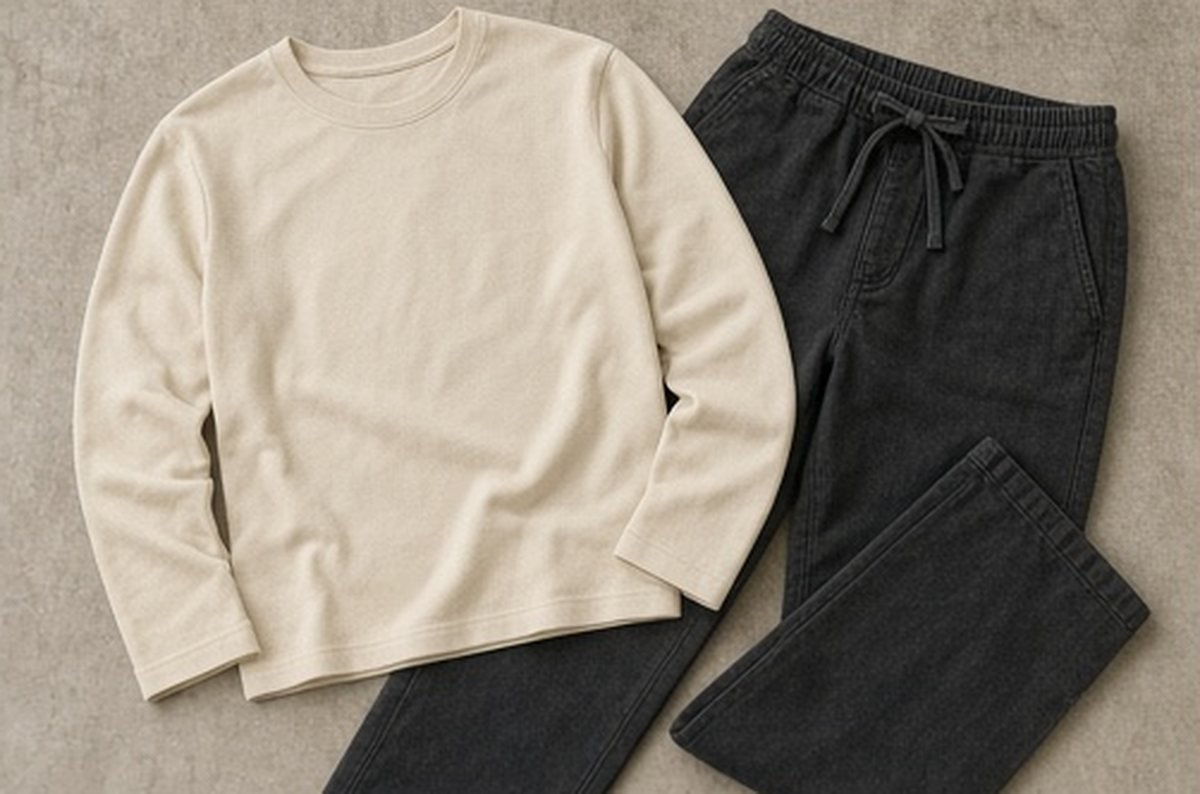
Rise, hip room, thigh width and inseam can matter as much as the waist. Identify which areas usually determine your comfort. A pair that closes successfully may still be restrictive while seated or walking, so one matching number should not end the assessment.
Ask whether elastic or stretch is present and how the waist was measured. A maximum stretched figure is not a promise of comfortable everyday fit. The tension needed matters. If the information is unclear, leave that uncertainty visible rather than treating the largest possible number as the normal size.
Follow a dress's restrictive areas
A fitted waist and close sleeves create different requirements from a loose shift. Decide which parts could limit movement before asking for measurements. Shoulder, chest, waist, hip and length may be relevant, but not every dimension is equally important for every design.
Check closures and lining as well. A lining can restrict movement even when the outer skirt looks generous. A side zip may make dressing different from a button front. Ask about the actual construction instead of drawing conclusions from a styled photograph.
Treat stretch as a behaviour
Fibre content may suggest stretch, but it cannot tell you exactly how the finished garment moves or recovers. Fabric structure, elastic condition and wear all contribute. Ask whether any areas have become loose, distorted or permanently stretched.
Avoid planning a fit that depends on pulling the item to its limit. A measurement obtained under strong tension may not describe pleasant wear. Use a similarly constructed reference and remember that comfortable ease is not the same as the smallest garment you can physically put on.
Ask about known alterations
A shortened hem or adjusted waist can make the original brand chart less relevant. Ask what changes are known and use current measurements when available. A seller may not know the full history, particularly with a piece acquired secondhand, so uncertainty can remain even after a careful answer.
Inspect repairs and wear in photographs. A disclosed mend is not automatically a reason to reject an item, but its location matters. Damage near a stress point can affect future use differently from a small cosmetic mark. Avoid inventing a repair solution before understanding the fabric and construction.
Leave room for small differences
Soft garments can give slightly different readings depending on how they are laid out. Private measurements are not engineering tolerances. If your decision relies on a very narrow margin, consider whether the remaining uncertainty is acceptable for the cost and return conditions.
Compare several relevant dimensions rather than declaring success from one match. Correct chest width cannot resolve an unsuitable length or sleeve shape. The goal is a whole fit picture, not a single supposedly decisive statistic.
Keep messages clear and considerate
Combine questions into one concise request when possible. Ask the seller to describe the garment, not predict how it will feel on your body. They can provide information but cannot reliably guarantee your comfort. Do not pressure them to make that promise.
Respect a refusal or lack of response. If essential information is unavailable, choosing not to buy is reasonable. Another garment will appear. A bargain is not a saving when fit uncertainty makes it unlikely to enter your active wardrobe.
Check the transaction conditions
Read the platform's rules, listing description and any relevant buyer protection before paying. Private-sale arrangements can differ from retailer policies. A fit disappointment may not qualify for a return, and not every platform uses the same process.
Include delivery, possible alterations and your own tolerance for uncertainty in the decision. If professional work is needed, obtain a realistic assessment rather than assuming everything can be tailored easily. Clear methods and a useful reference improve secondhand research without pretending an online listing can answer everything an in-person try-on would reveal.