
This post may contain affiliate links. We may earn a commission if you buy through them, at no extra cost to you. See our Affiliate Disclosure.
Learning how to shop secondhand for quality basics means reading fibre labels, checking seams and planning a wash before first wear. Good thrift finds extend your wardrobe without new production.
Quick answer
Check fibre content, seam strength, odour and stains, then wash before you wear. Prioritise natural fibres and classic cuts you will rewear.
Key takeaways
- Fibre labels beat brand logos for quality clues.
- Pull seams gently; loose stitching is a no.
- Wash or clean before first wear.
- Basics (shirts, jeans, coats) repay the hunt.
This pairs with pre-consumer waste clothing, circular fashion and visible mending.
What should you inspect before you buy?
| Check | Pass | Skip |
|---|---|---|
| Fibre label | Cotton, linen, wool, known blends | Mystery plastics with no content |
| Seams | Even stitches, no holes at stress points | Open seams at crotch or underarm |
| Odour / stains | Mild closet smell that washes out | Smoke or set-in oil stains |
| Hardware | Working zips and buttons | Missing teeth or cracked buttons you cannot replace |
Which basics are worth thrifting first?
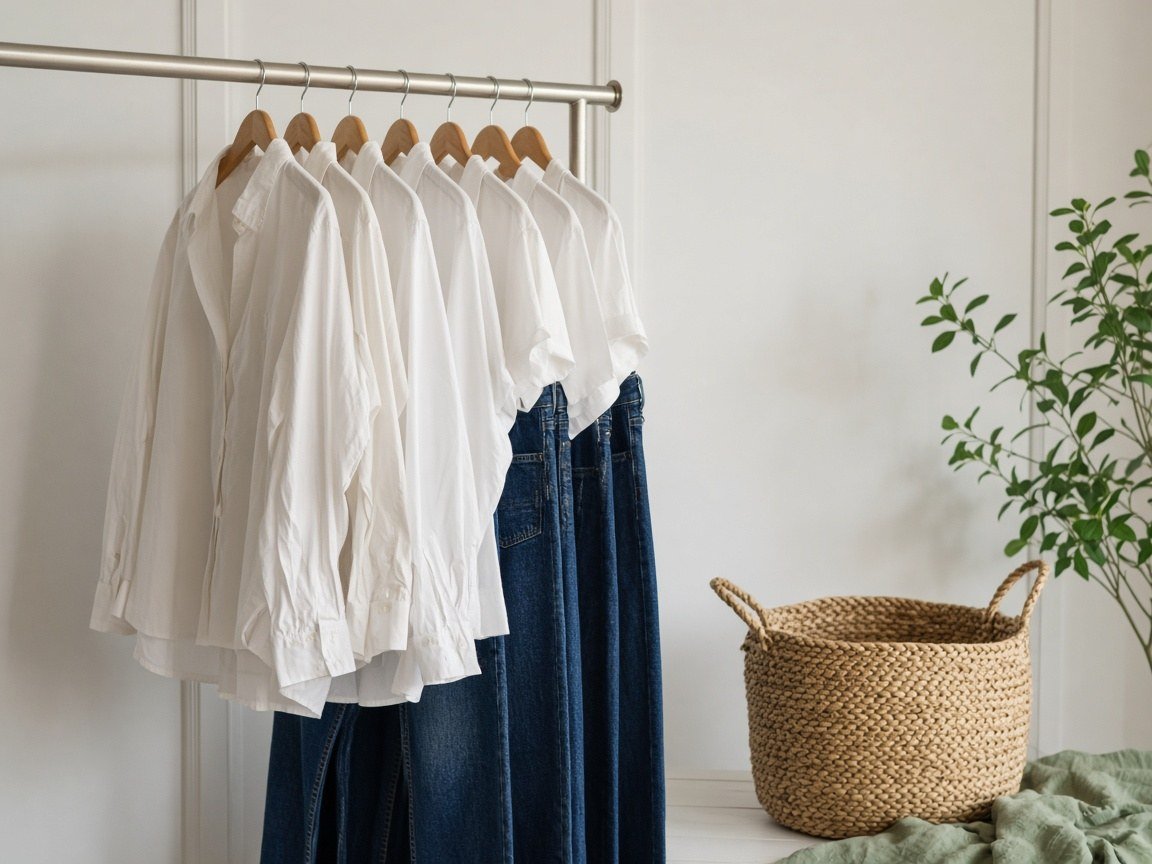
- White and blue cotton shirts with intact collars.
- Indigo jeans with unworn hems you can alter.
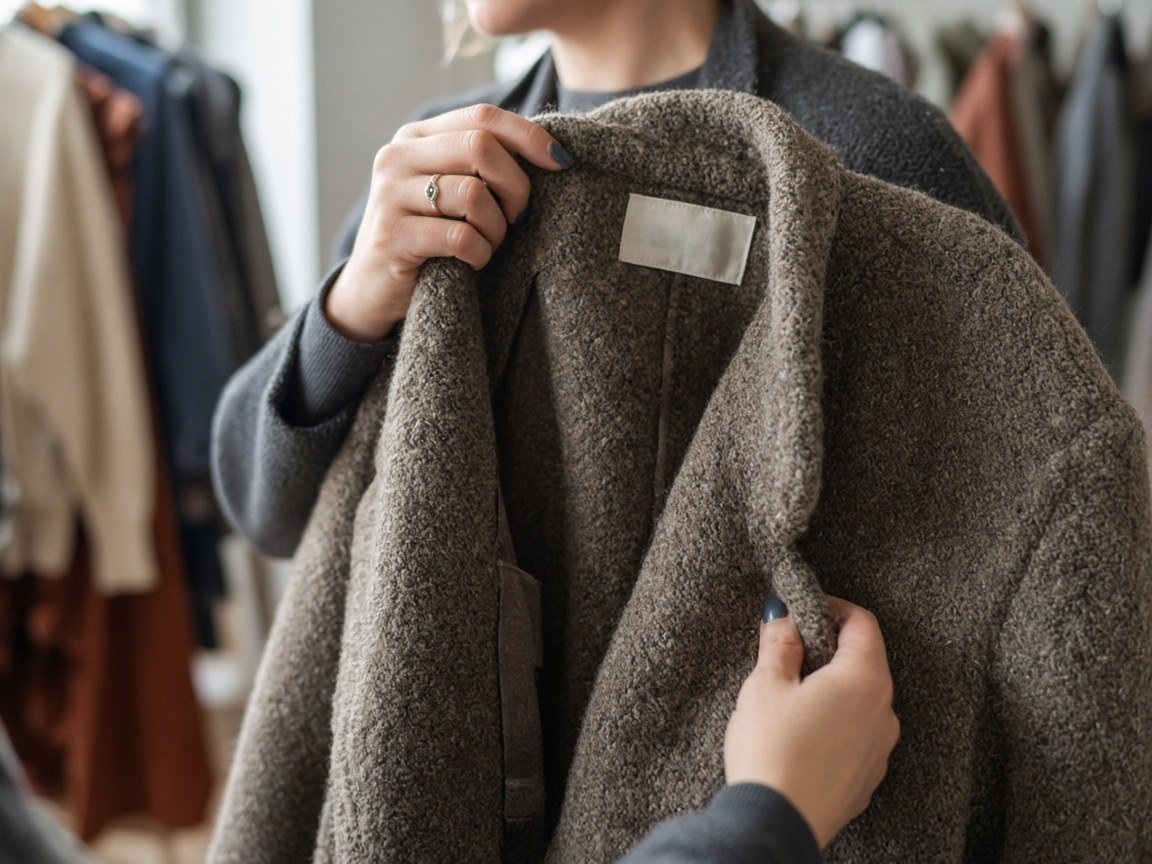
- Wool coats with dense cloth and clean linings.
- Linen pieces you can bleach-spot carefully or dye.
How do you clean thrifted clothes safely?
- Isolate new finds until washed.
- Wash cotton and linen on a normal cool cycle.
- Hand wash or gentle-cycle wool; see wool washing.
- Mend small issues early with visible mending.
When should you walk away?
Walk away from thinned elbows, stretched-out ribbing, irreparable zips and anything that smells of mould. Secondhand is only a win if the piece can have another full life.
FAQ
Wash or clean before wearing. That removes most everyday residue.
Read the label and do a careful burn test only on a tiny hidden thread if you know how; labels are safer.
It extends garment life, which is usually better than buying new, but transport and impulse buys still matter.
Yes. Classic shirts, jeans and a wool layer are excellent one-bag building blocks.
Bottom line
Shop secondhand like an editor: fibre, seams, smell, then wash. Quality basics found used are still quality basics.