
This post may contain affiliate links. We may earn a commission if you buy through them, at no extra cost to you. See our Affiliate Disclosure.
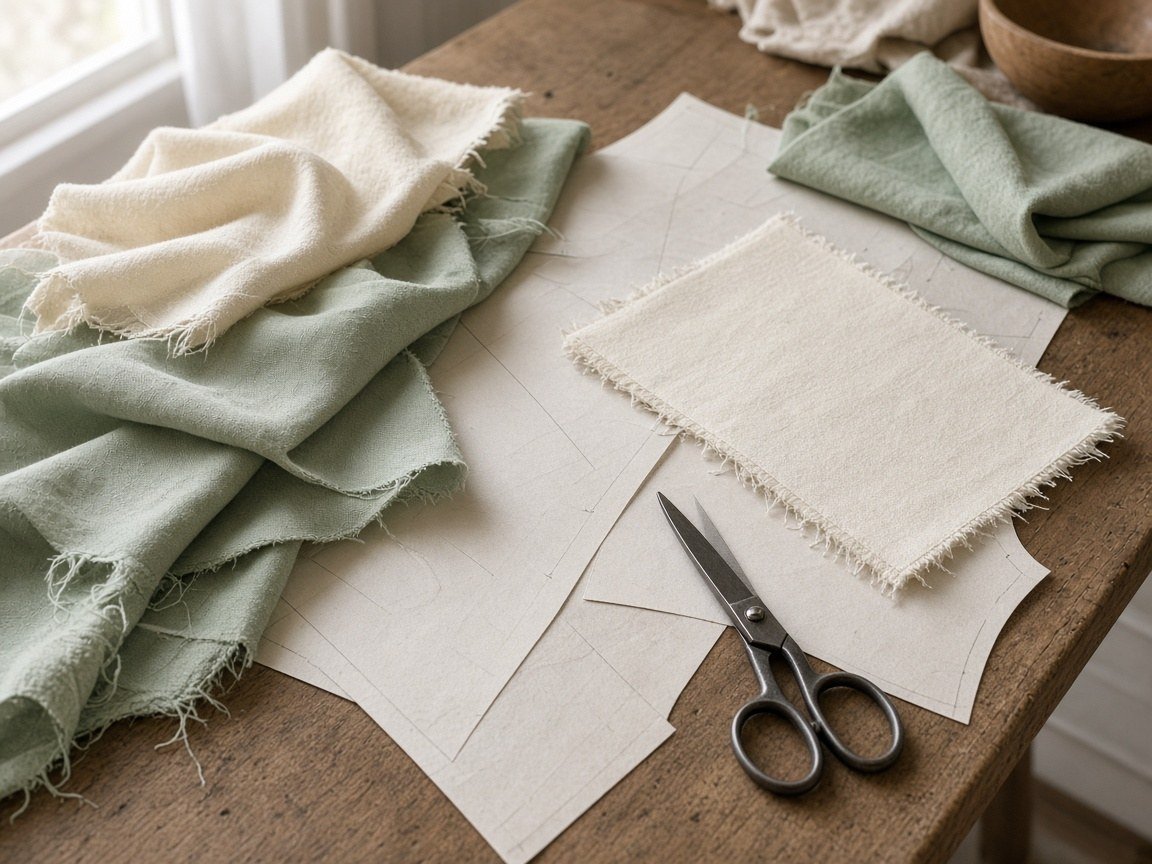
Pre-consumer waste clothing is made from fabric that never reached a shopper: cutting-room scraps, mill ends and cancelled orders. It is different from post-consumer recycling of worn garments, and it sits inside the broader circular and deadstock conversation.
Quick answer
Pre-consumer waste is unused textile left over before a garment is worn. Ask brands what scraps they use, how much is virgin fibre, and whether the story is verified.
Key takeaways
- Cutting-room scraps and mill ends are common sources.
- Deadstock often overlaps with pre-consumer surplus.
- Post-consumer means worn clothes collected after use.
- Clear percentages beat vague eco claims.
What does pre-consumer waste mean in fashion?
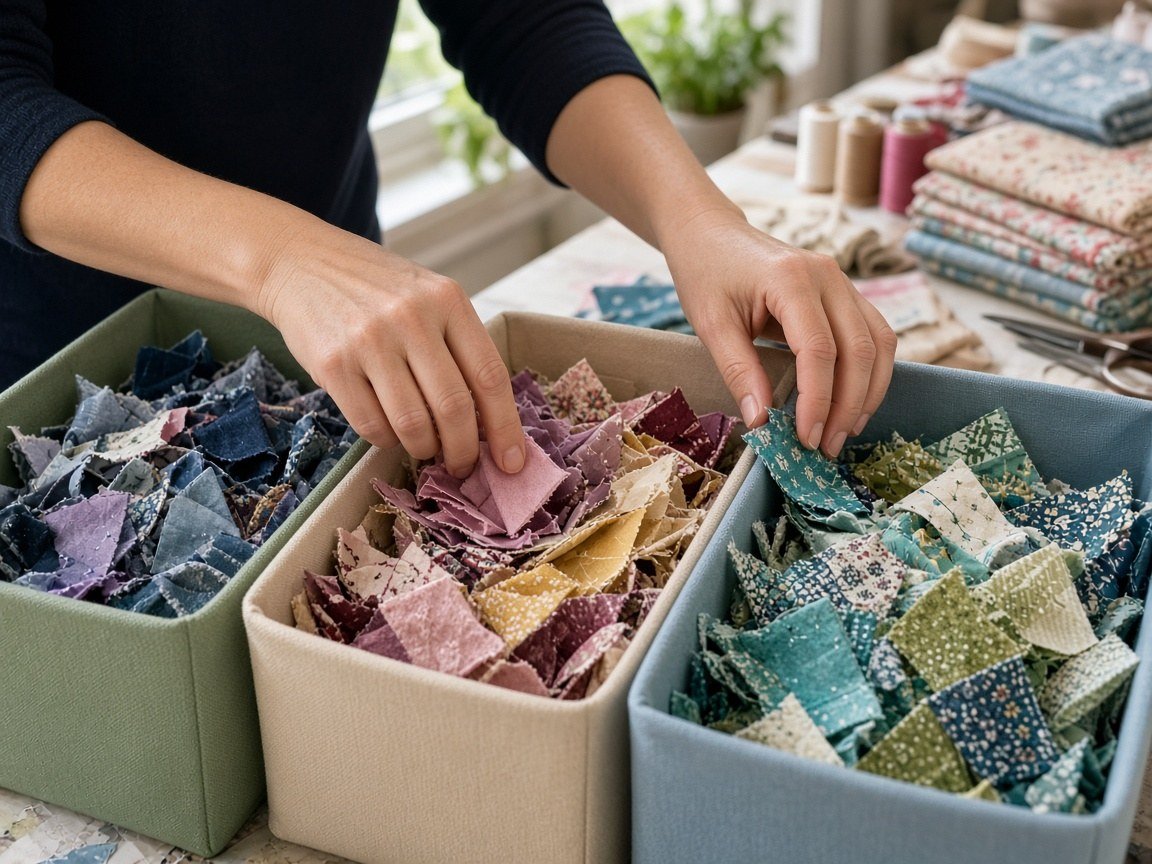
Factories cut shapes from bolts of cloth and leftover pieces remain. Brands that use those leftovers keep usable fibre in play. That idea connects to our guides on deadstock fabric, circular fashion and remade clothing brands.
How is pre-consumer waste different from deadstock and upcycled?
| Term | Usually means | Ask the brand |
|---|---|---|
| Pre-consumer waste | Unused textile before wearer use | Which stage: scraps, ends, cancelled rolls? |
| Deadstock | Surplus finished fabric or goods | Why was it surplus? |
| Upcycled | Old garments remade into new | What was the previous life? |
| Recycled fibre | Broken down and re-spun | Pre- or post-consumer input? |
Why do brands use cutting-room scraps?
- Less textile goes to landfill or incineration.
- Small runs can use unique leftover lots.
- It supports the same loop we describe in zero waste clothing.
- It is not automatically perfect: dyeing, labour and transport still matter.
How should you shop pre-consumer pieces?
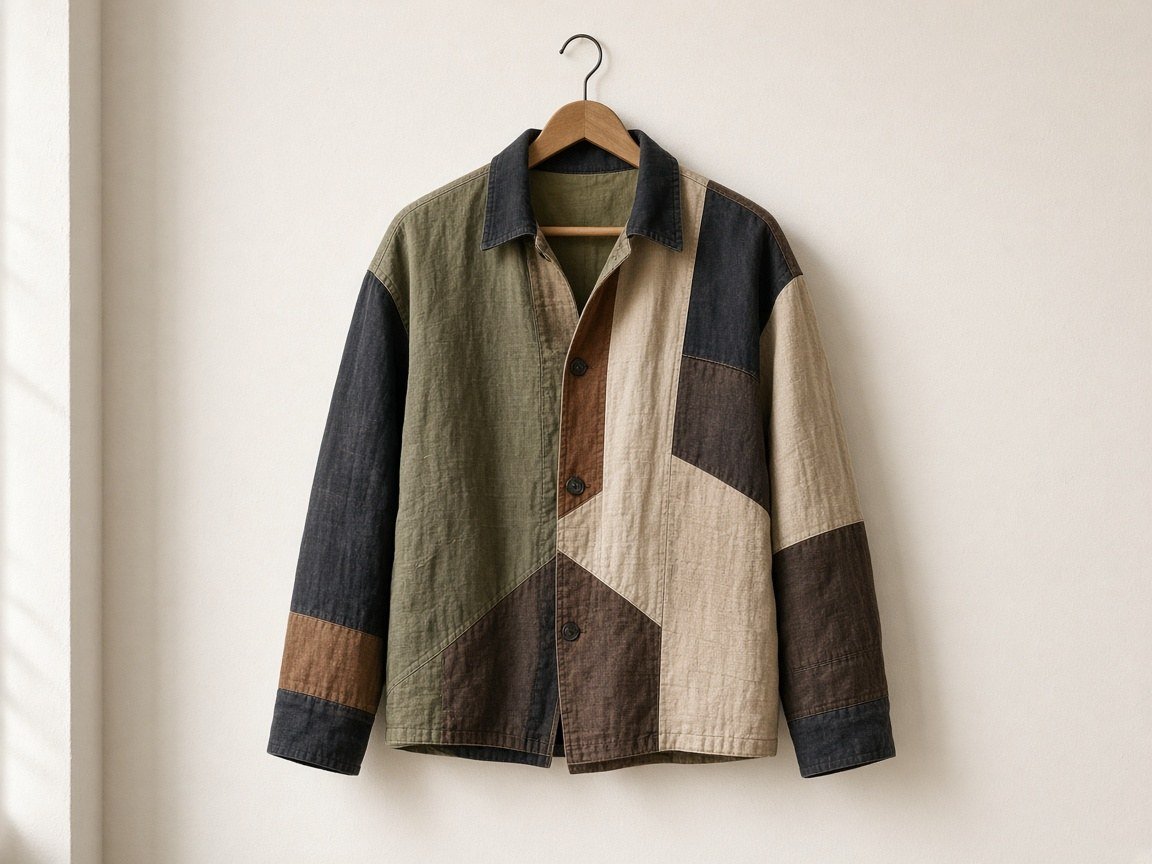
- Look for plain language about scrap or mill-end content.
- Check care: mixed scraps can mean mixed fibre care.
- Compare with upcycled denim brands if you want post-consumer stories instead.
- Use our Flow Check questions before you buy.
FAQ
No. Pre-consumer textile waste is unused fabric from making clothes. Bottle recycling is a different stream.
Often yes for unused fabric rolls, but confirm. Some deadstock is finished goods that never sold.
Not by default. Quality depends on the original cloth and the sewing, not the leftover status.
Look for specifics: mill, percentage, and what would have happened to the cloth otherwise.
Bottom line
Pre-consumer waste clothing keeps unused cloth in wardrobe form. Ask for clear sourcing, then judge fit and care the same way you would any other piece.