
This post may contain affiliate links. We may earn a commission if you buy through them, at no extra cost to you. See our Affiliate Disclosure.
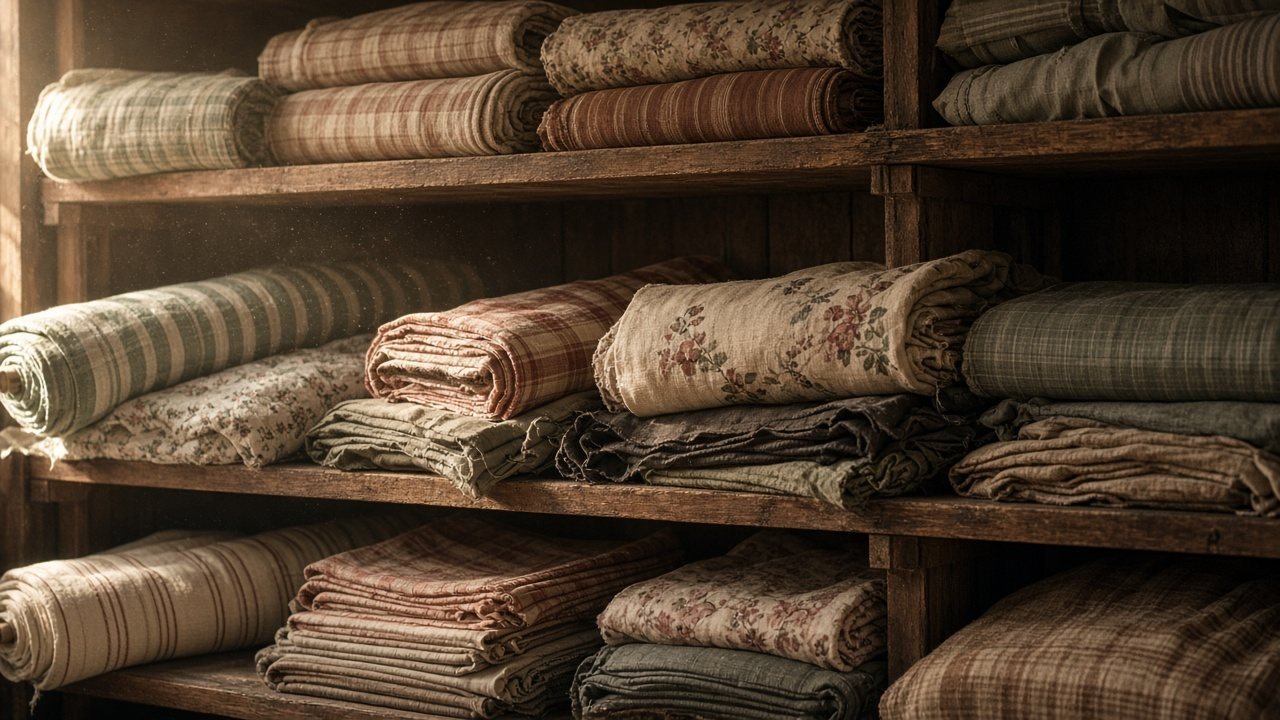
Deadstock fabric means unused fabric left over from mills, factories or fashion brands: surplus rolls, cancelled orders or end-of-line materials that were never made into clothes. Independent labels buy it to make small batches without new fabric production, which is why deadstock pieces are often limited edition.
Quick answer
Deadstock fabric meaning, in short: new, unused surplus fabric that would otherwise sit in storage or be thrown away. It is not second-hand clothing, and quantities are limited.
Key takeaways
- Deadstock = unused surplus fabric or materials, not worn garments.
- Upcycled usually means remaking existing garments or textiles.
- Limited rolls mean limited runs: when a print sells out, it may never return.
- Fibre content can be harder to trace, so good brands label it clearly.
What does deadstock fabric mean?
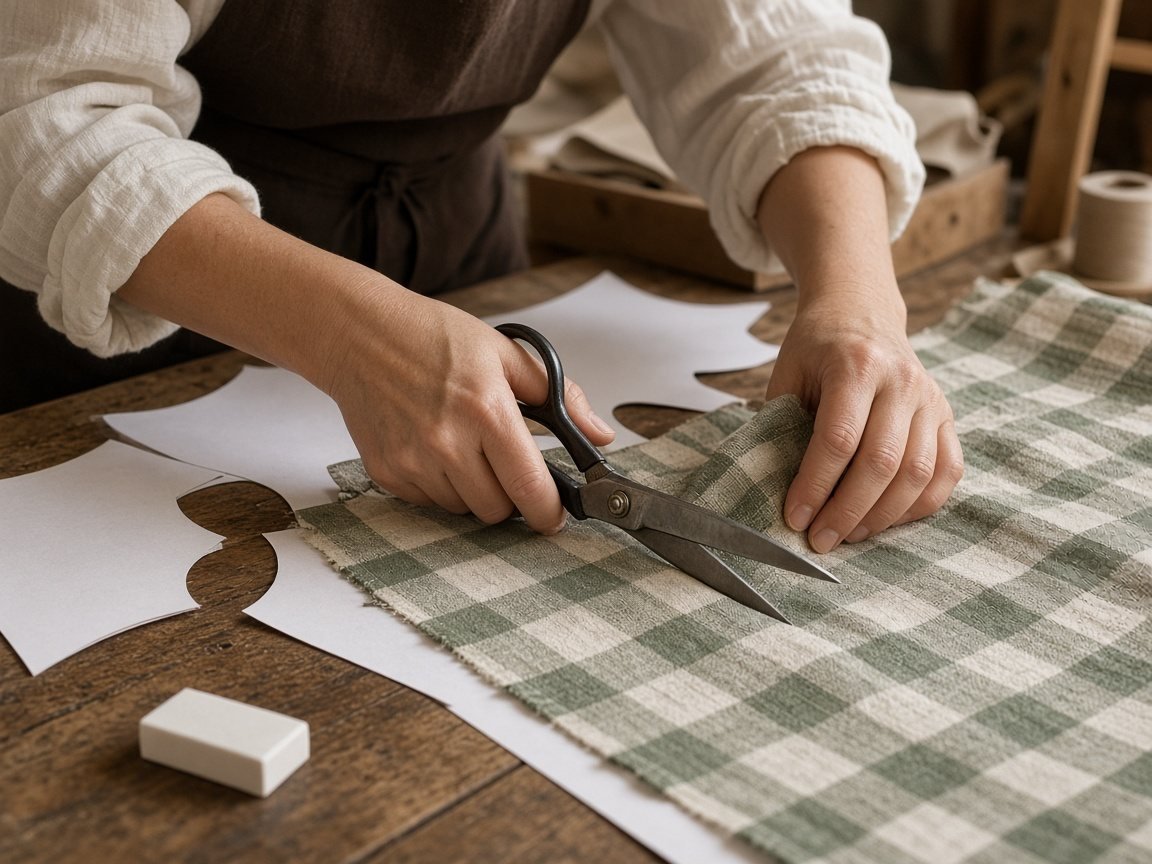
In textiles, “deadstock” describes fabric that was produced but never used. It might be over-ordered by a large brand, rejected for a tiny colour difference, left over at the end of a season, or simply forgotten in a warehouse. In sneaker and vintage resale, the same word is used for old, unworn products still in original condition, which can cause confusion. In this article we mean fabric.
Deadstock vs upcycled vs recycled fabric
| Term | What it is | Example |
|---|---|---|
| Deadstock | Unused surplus fabric or materials | Leftover linen rolls bought from a mill |
| Upcycled | Existing garments or textiles remade into something new | Vintage kantha quilts cut into a jacket |
| Recycled | Fibres broken down and spun into new yarn | Recycled nylon or recycled cotton blends |
| Pre-loved / vintage | Previously owned clothing sold again | A secondhand dress from a vintage shop |
Why do independent brands use deadstock fabric?
- Smaller runs: a small label can buy a few rolls instead of meeting a mill’s minimum order.
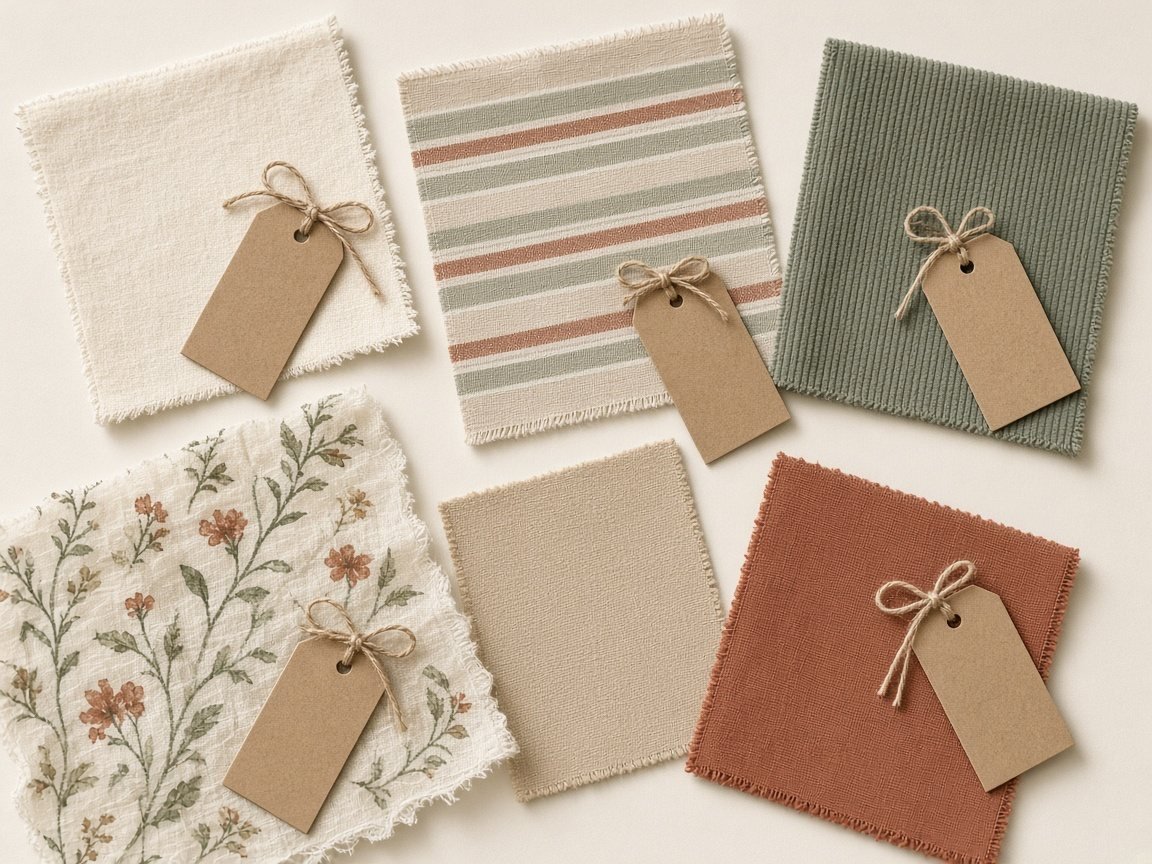
- Character: unusual prints, older weaves and discontinued colours make pieces feel unique.
- Less new production: using material that already exists avoids making more fabric for that garment.
- Story: many founders enjoy the hunt, and customers enjoy knowing where a fabric came from.
Are there downsides to deadstock fabric?
Yes, and they are worth knowing before you buy. Fibre content and finishing chemicals can be harder to trace than with newly ordered fabric. Quantities are limited, so restocks are rare. Some critics also point out that if deadstock becomes a marketing label, mills could be tempted to over-produce. Honest brands are clear about what they know and what they do not.
Independent brands using deadstock fabric
WE-AR4 (New York)
WE-AR4 describes itself as a New York-based responsible fashion brand founded in 2021. It says it crafts designs from luxury deadstock sourced from European mills and factories, including surplus materials and leathers commissioned by other luxury houses and left unused. It manufactures either near where the raw materials are or locally in New York City, according to its product page.
Flow Check: WE-AR4
- What it is: Elevated womenswear and handbags made from luxury deadstock materials.
- Who it’s for: Buyers who want polished, investment-style pieces with a circular angle.
- What to know: Higher price point. Check fabric notes and returns on each product page. Visit WE-AR4
No More Nobody (South London)
Founder Silva Hrabar-Owens describes driving out once a month to find “forgotten fabrics” in warehouses and small shops, including a fabric found in Brixton that was made in Lancashire in the 1980s. No More Nobody says its clothing uses deadstock fabrics, is handmade in London, and is named after the women who made or inspired each piece.
Flow Check: No More Nobody
- What it is: Limited-edition clothing from reclaimed and deadstock fabric, plus recycled-metal jewellery.
- Who it’s for: People who like bold, story-led pieces and small-batch runs.
- What to know: Free UK delivery and returns per the brand; ships internationally. Expect limited quantities. Visit No More Nobody
Christy Dawn and Love Protect Sustain
Christy Dawn uses deadstock alongside regenerative and organic cotton, and notes in its FAQ that sizing can vary between these fabric types. Love Protect Sustain says it uses pre-loved and deadstock materials with patchwork and hand embroidery.
More labels like these live in our Upcycled & Deadstock section and the brand directory.
How to shop deadstock clothing well
- Read the fabric line on the product page. Good brands say what the fibre is, or admit when it is unknown.
- Check measurements, not just size labels. Small-batch patterns vary.
- Ask about care if the label is vague. Older fabrics can behave differently.
- Buy the piece you love when you see it. Restocks are unlikely.
Want a real example? This week’s find is a linen maxi skirt with pockets handmade from deadstock linen, and our kantha clothing guide looks at upcycled vintage textiles.
Keep reading: our guides to zero waste clothing and patchwork clothing show more ways brands put existing fabric to use.
FAQ
It can reduce waste by using fabric that already exists, but it is not automatically sustainable. Fibre type, how the garment is made and how long you wear it all matter.
No. Deadstock fabric is new and unused. Second-hand or pre-loved clothing has been owned and usually worn before.
Brands buy whatever surplus is available, often a few rolls. When the fabric runs out, that colour or print usually cannot be remade.
Look for specifics: where the fabric came from, how much is used and which products. Vague claims with no detail deserve a polite question to the brand.
Bottom line
Deadstock fabric is a simple idea with a big appeal for slow fashion: use what already exists, make less, and make it special. Shop it for character and limited runs, and keep asking brands for details.