
This post may contain affiliate links. We may earn a commission if you buy through them, at no extra cost to you. See our Affiliate Disclosure.
Patchwork clothing is made by sewing smaller pieces of fabric together into one garment. Upcycled patchwork goes a step further: the pieces come from pre-loved or surplus textiles, such as old saris or leftover cotton, so every piece is a little different and less new fabric is needed.
Quick answer
Patchwork clothing joins smaller fabric pieces into one garment. Look for brands that say where the fabric comes from, check how the seams are finished, and expect each piece to vary.
Key takeaways
- Upcycled patchwork uses pre-loved or deadstock fabric rather than new rolls.
- No two pieces look the same, so photos are a guide, not a promise.
- Small-batch makers often have stricter return policies. Read them first.
- Gentle cold washing protects mixed fabrics such as silk and cotton.
What counts as patchwork clothing?
Patchwork is an old technique. Quilters have long joined offcuts into something warm and useful, and the same idea now appears in dresses, jumpsuits and jackets. In fashion you will see three broad types: patchwork made from new fabric printed to look pieced, patchwork made from offcuts of new production, and patchwork made from pre-loved textiles. Only the last two reduce waste in a meaningful way, which is why we file them under upcycled and deadstock fashion. If the terms are new to you, our explainer on what deadstock fabric means covers the differences.
How upcycled patchwork is made
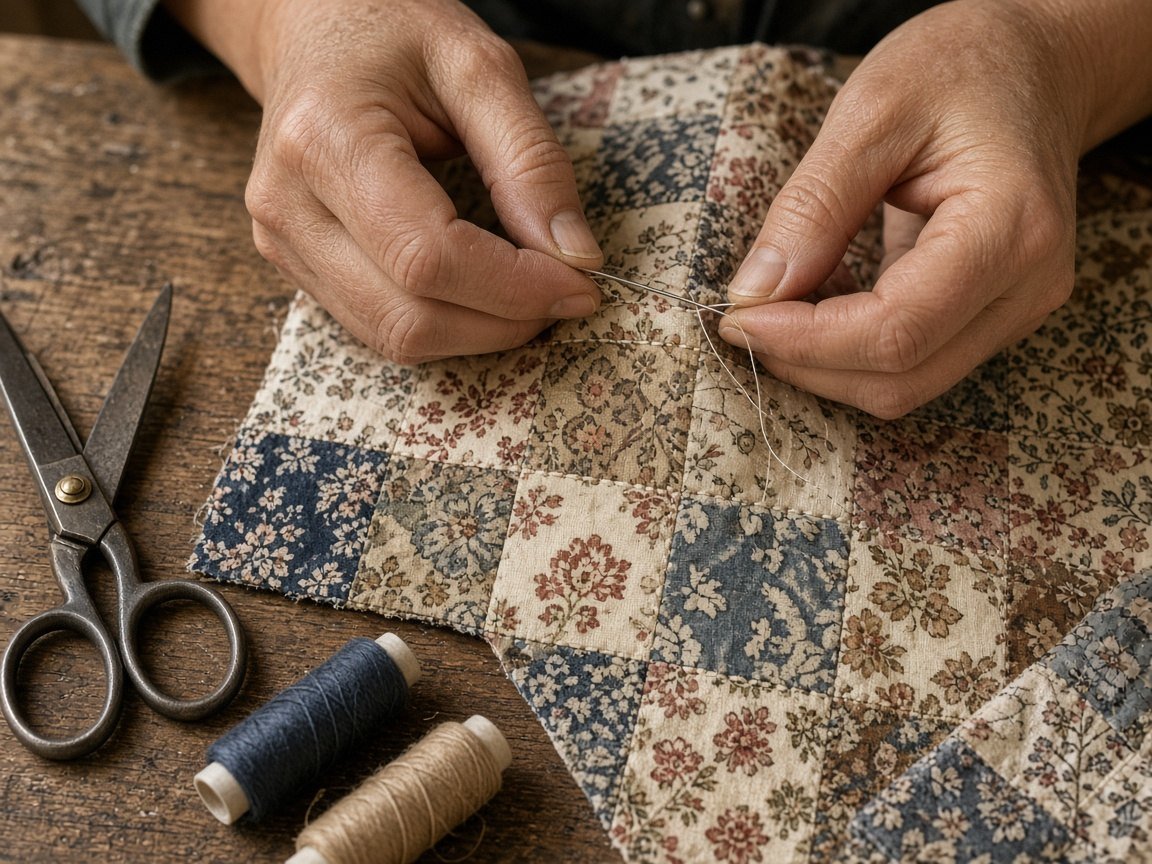
- Sourcing. The maker collects pre-loved garments, saris or fabric remnants.
- Sorting and cleaning. Fabrics are washed and grouped by weight, colour and fibre, so a heavy cotton is not sewn next to a fragile silk.
- Cutting. Usable sections are cut around stains, holes and worn spots.
- Piecing. Panels are arranged and sewn together, sometimes with hand embroidery or layering on top.
- Construction. The pieced fabric is cut into a pattern and sewn into the final garment.
An indie brand doing it: Love Protect Sustain
Love Protect Sustain says it mindfully sources pre-loved and deadstock materials, and that each piece goes through patchwork, layering and hand embroidery by hand. It also describes its approach as zero-waste craftsmanship. Its range includes dresses, jumpsuits, kimonos and trousers, many with kantha stitching or reversible construction.
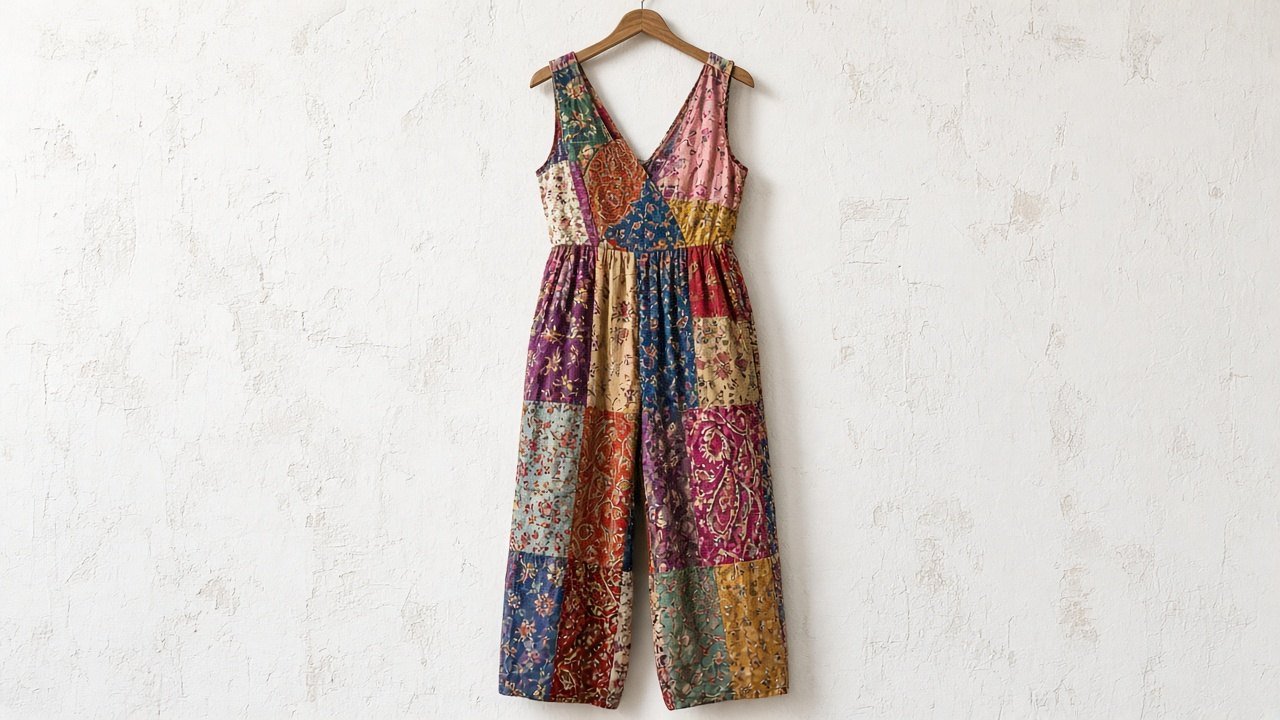
One example is the Reversible Silk-Cotton Patchwork Jumpsuit. Per the listing, one side is patchwork made from traditional Indian silk and cotton sarees, and the other side is vintage cotton with traditional Indian prints. It has a V-neck with ties, a gathered waist and wide legs. Because it is reversible, it is two looks in one, which ties in with our guide to reversible clothing.
| What to check | Why it matters | What Love Protect Sustain says |
|---|---|---|
| Fabric source | Tells you whether the patchwork really reuses textiles | Pre-loved and deadstock materials |
| Returns | One-of-a-kind items often have tighter rules | Returns for significant defects only; contact within 7 days of receiving the order |
| Processing and delivery | Handmade stock can take longer | Processed within 2 working days; delivery in 7 to 10 working days, per its shipping policy |
| Uniqueness | Photos may not match your exact piece | Its refund policy notes minor imperfections are part of handmade items |
Flow Check: Love Protect Sustain
- What it is: Handmade patchwork, kantha and reversible clothing from pre-loved fabrics.
- Who it’s for: Boho dressers who want a one-of-a-kind piece.
- What to know: Returns are limited to significant defects, so check measurements carefully before ordering. Visit Love Protect Sustain
How to style patchwork without looking busy
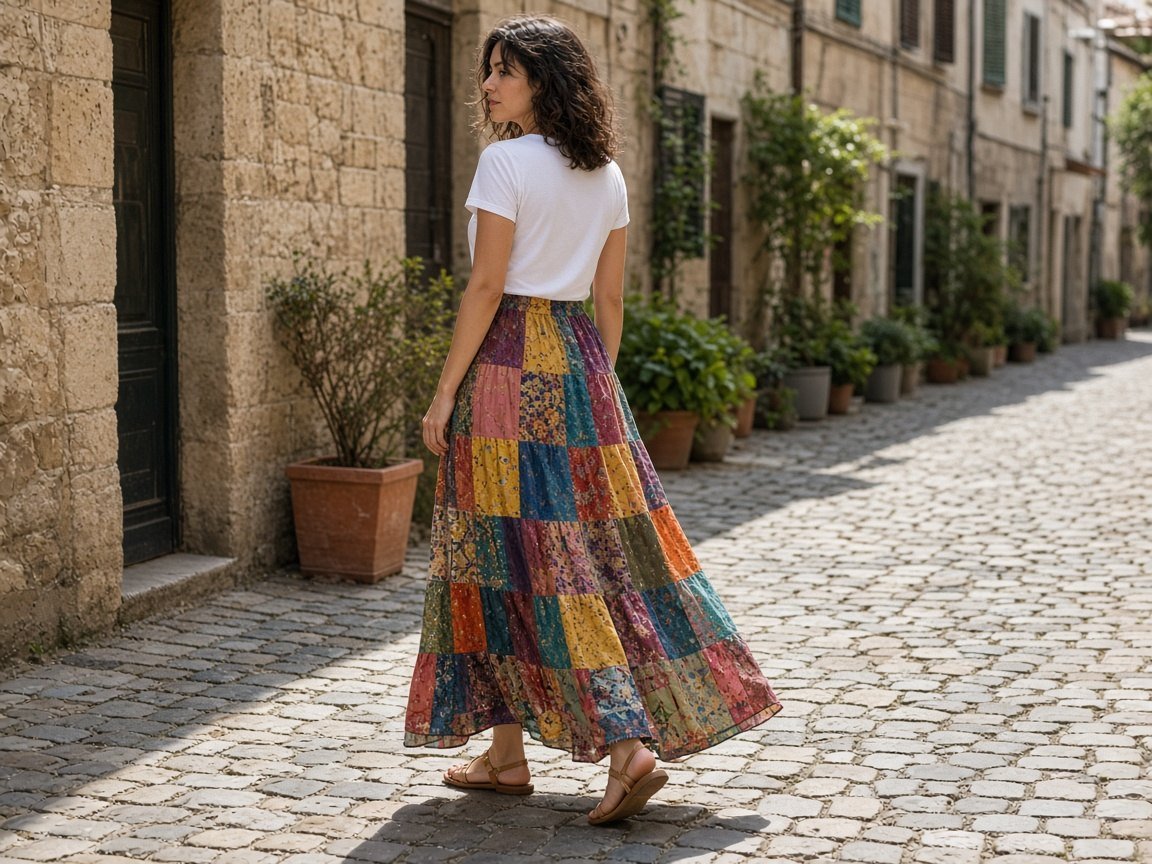
- Let the patchwork be the only print. Pair it with a plain tee, a solid cardigan or a denim jacket.
- Pick one colour from the patchwork and repeat it in your shoes or bag.
- Choose simple, flat shoes such as sandals or loafers so the outfit feels relaxed.
- For cooler days, layer a fine-knit long sleeve under a patchwork dress or jumpsuit.
How to care for patchwork clothing
Mixed fabrics need the gentlest routine that suits the most delicate piece. Hand wash or use a cold delicate cycle, turn the garment inside out, skip the tumble dryer and dry it in the shade so colours fade evenly. Check seams after washing; on handmade pieces a loose thread is easy to secure early.
Want more ways to dress with less waste? Our guide to zero-waste clothing looks at brands using offcuts and surplus fabric.
Love the hand-stitched look? Read our guide to kantha clothing, a related technique that layers and stitches old cotton saris.
FAQ
It can be, if the pieces come from pre-loved, surplus or offcut fabric. Patchwork printed onto new fabric looks similar but does not reuse textiles.
Each piece is cut and pieced by hand from varied fabric, which takes far longer than cutting stacks of new fabric at once.
Follow the label, but in general wash cold and gently, inside out, and air dry in the shade. Treat it as delicate if any panels are silk.
Usually not exactly. Brands using pre-loved fabric often say each piece is unique, so expect different colours and prints.
Bottom line
Patchwork clothing is fun, personal and, when it uses pre-loved fabric, a smart way to keep textiles in use. Buy from makers who explain their sourcing and returns, and treat each piece like the one-off it is.