

This post may contain affiliate links. We may earn a commission if you buy through them, at no extra cost to you. See our Affiliate Disclosure.
Circular fashion means designing, making, using and recovering clothes so materials stay in use instead of becoming waste. In practice that includes repair, resale, rental, remaking old garments and using deadstock or upcycled cloth. It is a direction of travel, not a single label on a hangtag.
Quick answer
Circular fashion keeps clothes and fibres in use through better design, longer wear, repair, resale and remaking. Look for clear sourcing, repair options and honest limits rather than buzzwords alone.
Key takeaways
- Circular is about loops: use longer, then reuse or remake.
- Upcycled, deadstock, repaired and resale pieces can all sit in that loop.
- No brand is perfectly circular; ask what happens at end of life.
- Your habits (wear, wash, mend, pass on) matter as much as the brand.
What does circular fashion mean in plain language?
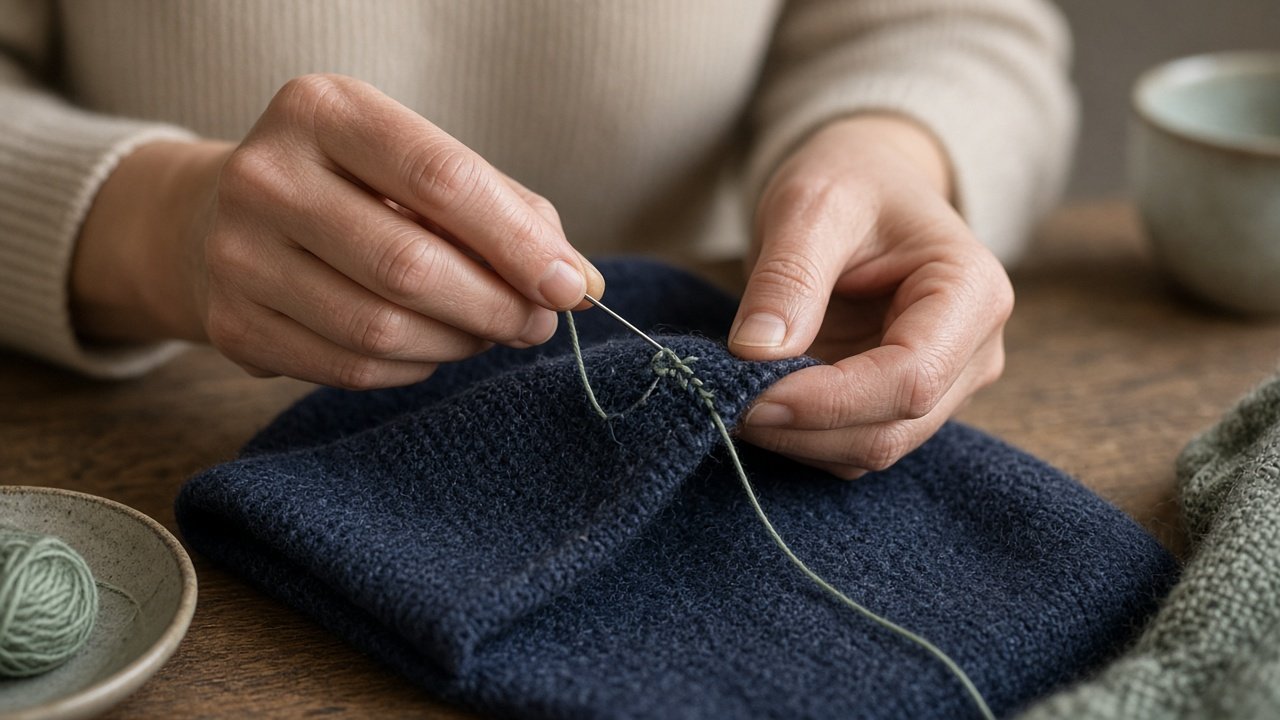
A linear fashion system takes resources, makes a garment, and throws it away. A more circular one designs for durability, keeps items in use, then recovers materials. Related ideas show up in our guides to deadstock fabric, zero waste clothing, upcycled denim and visible mending.
| Approach | What it does | Example |
|---|---|---|
| Durability and repair | Keeps one garment in use longer | Mending a sweater cuff |
| Resale and rental | Shares garments across owners | Brand resale programmes |
| Deadstock | Uses leftover new fabric | A dress cut from surplus rolls |
| Upcycled / remade | Rebuilds from existing garments or waste | A jacket pieced from rescued cotton |
| Recycling | Breaks fibre down to make new yarn | Harder with blends; still emerging |
What does a remade piece look like in real life?
WE-AR4’s Court Jacket is described as a reversible cropped jacket in upcycled cotton, mixing cotton piqué with striped cotton poplin, made in New York, with rescued mill materials listed from Italian suppliers, per the brand. Details like that (where the cloth came from, that it is upcycled, where it was sewn) are what to look for when a label says circular.
How can you shop in a more circular way?
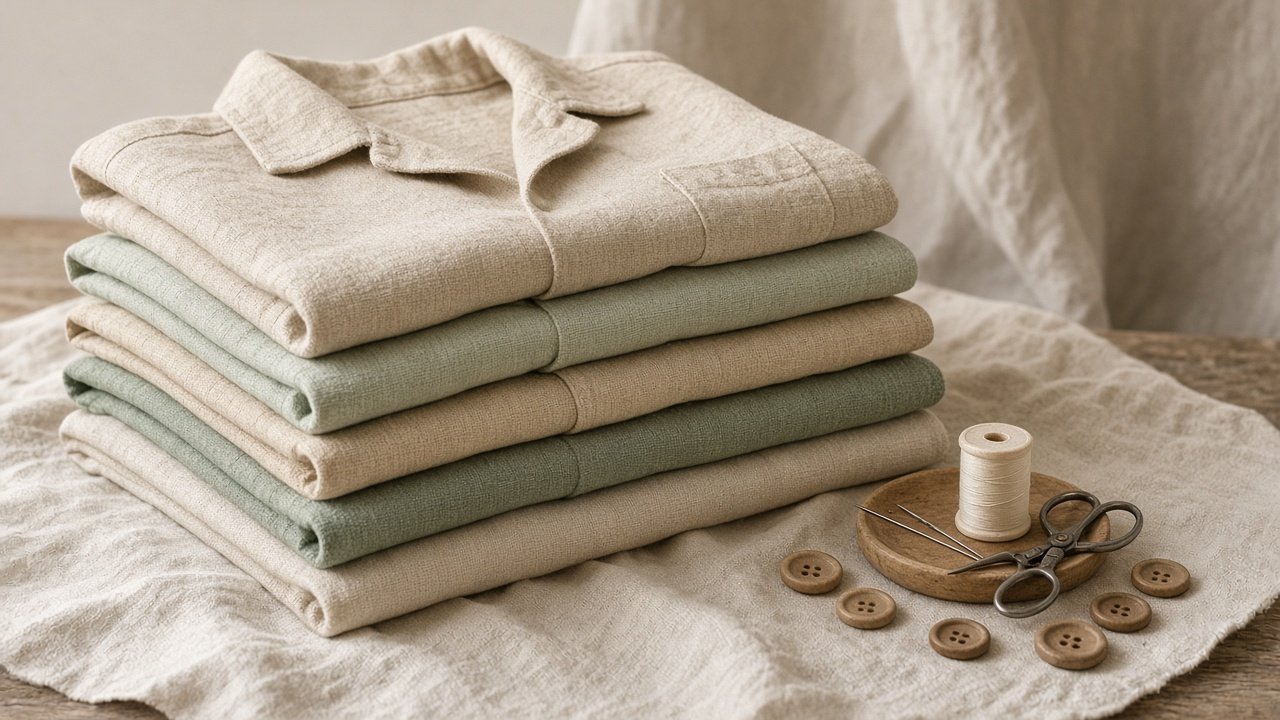
- Buy fewer pieces you will actually wear for years.
- Prefer clear fibre content and repairable construction.
- Use mending and care guides before replacing anything.
- When you do buy new, favour deadstock, remade or take-back programmes with specifics.
- Pass pieces on through resale or swaps when you are done. Our brand directory lists indie labels worth checking.
What should you be sceptical of?
- Vague “eco” or “circular” claims with no sourcing detail.
- Recycling claims on complex blends with no collection route.
- Disposable trends dressed up in green language.
- Compare claims the way we do in a Flow Check: what it is, who it is for, what to know.
Flow Check: WE-AR4 Court Jacket
- What it is: A reversible cropped jacket the brand lists as upcycled cotton, made in New York.
- Who it’s for: Shoppers who want remade materials with clear mill notes.
- What to know: Product page lists upcycled cotton, Italian mill sources and construction details. Confirm sizing and returns on one-off fabrics. Visit WE-AR4
FAQ
They overlap. Sustainable is a broad umbrella. Circular focuses on keeping materials in use and designing out waste.
It can be one loop in a circular system, especially when paired with durability and a plan for the next life of the piece.
It is harder. Blends complicate recycling. Longevity, repair and resale still help.
Wear what you own, mend it, wash gently and buy the next piece only when you have a real gap.
Bottom line
Circular fashion is a loop, not a logo. Choose clearer brands, keep clothes in use, and treat remade and repaired pieces as normal, not niche.