
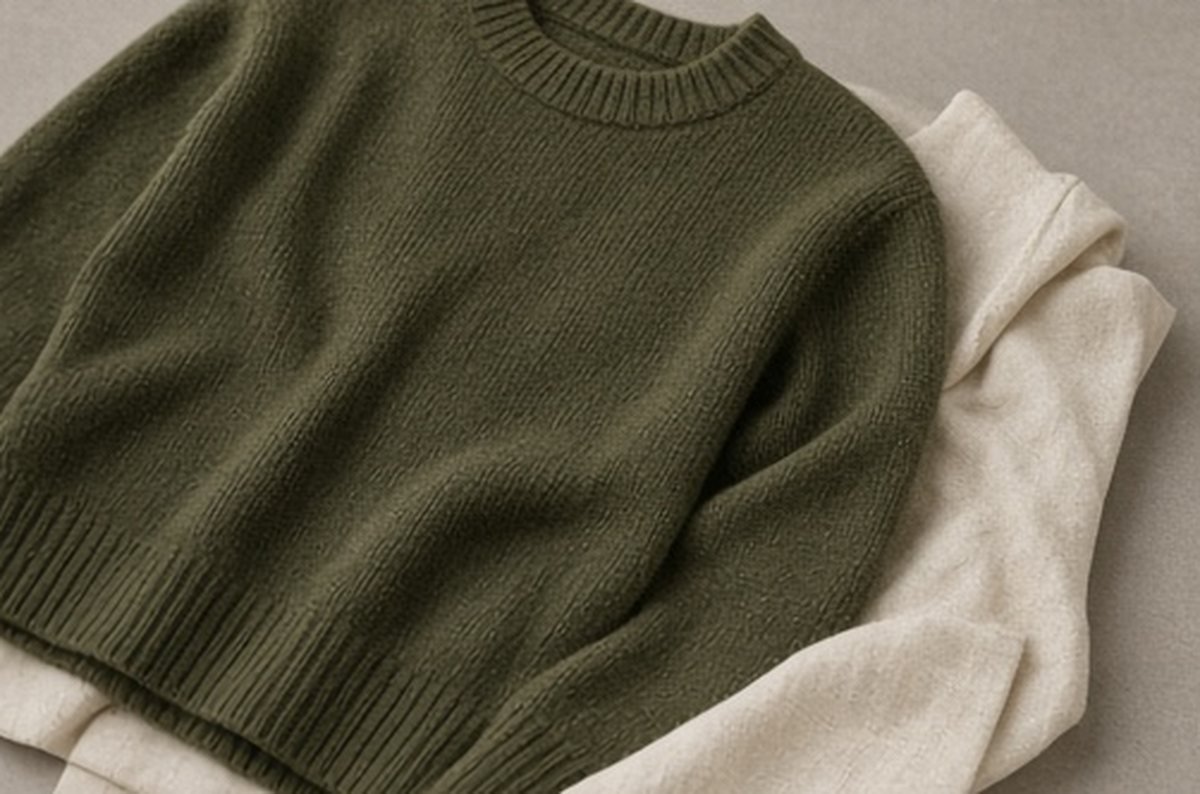
The journey home is often where a careful packing system breaks down. A sweater is damp from rain, the bag is full and clean clothes are beside items needing washing. Compressing everything into a cube may save time, but it does not solve the moisture problem. A small plan is more useful than perfect folding.
First distinguish dampness from dirt. A wet garment may also carry mud, a spill or residue requiring cleaning. Drying and washing are different tasks. Follow the care label and do not assume airing alone returns a dirty sweater to a ready-to-wear state.
Assess before repacking
Check where moisture remains. Cuffs, seams and folds can stay damp after the surface feels dry. Inspect nearby clothing and the bag itself too, since water can transfer without an obvious spill. Make the assessment before pushing everything together.
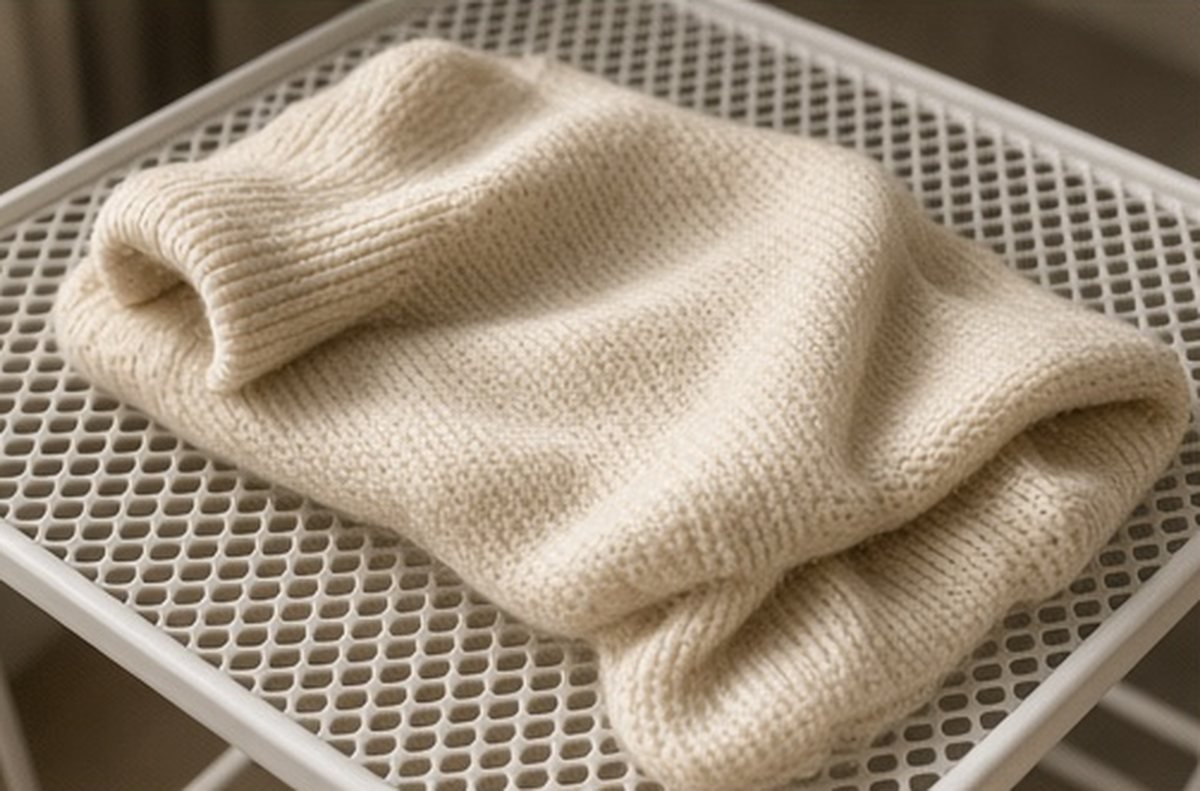
If there is time and an appropriate space, address drying before departure. Respect accommodation rules and avoid wet fabric against unsuitable furniture or fixtures. A clean, supported arrangement appropriate for the knit is better than an improvised method that could damage someone else's property.
Support the garment appropriately
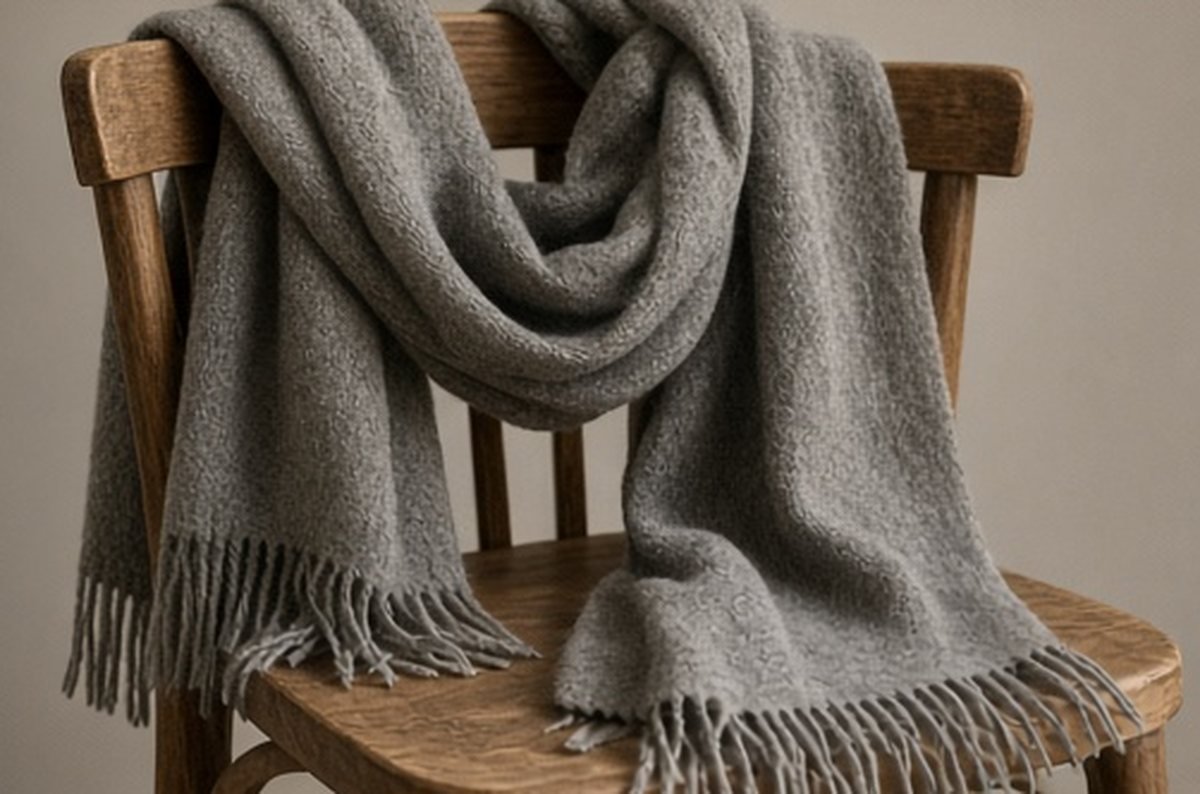
Read the label and consider the sweater's weight and construction. Wet knitwear may need support to avoid distortion. Do not assume it can be hung by the shoulders or treated like a robust woven shirt simply because both are travel clothes.
Avoid wringing and aggressive pulling unless the appropriate care method specifically permits them. A clean towel may help absorb moisture where suitable, but handle the garment gently. Reducing water should not create a new shape problem. Seek guidance if the construction is delicate or unfamiliar.
Do not improvise concentrated heat
A heater, hot iron or hair dryer may seem convenient when departure is near. They can also be unsuitable for the garment and create household risks. Check care and equipment instructions rather than assuming urgency makes a method safe.
If proper drying cannot finish before you leave, accept that limitation. Temporary separation is a reasonable transport measure. A less tidy bag with moisture controlled is better than a neat bag that transfers dampness to clean clothing, documents or electronics. Packing efficiency is not only about volume.
Keep clean items protected
Use a suitable separate compartment or leak-resistant arrangement during transport. Understand that containing damp clothing does not dry it. A sealed bag can prevent transfer for a journey, but it should not become the garment's storage place afterward.
Keep the item accessible enough to remove promptly on arrival. Burying it beneath chargers and shoes makes forgetting easier. Place vulnerable belongings elsewhere, since the consequences of wet papers or electronics differ from those of another shirt needing washing.
Keep the next action clear
A dry shirt requiring a wash and a damp sweater requiring supported drying may need different attention at home. Separate locations or a brief note can help, especially when household members share unpacking. Do not rely on perfect memory after a tiring journey.
Keep rough shoe surfaces and sharp accessories away from the knit. A hurried repack can cause snags even when the moisture is contained. Simple separation is enough; there is no need to buy a specialised container for every garment.
Keep a dry layer available
If you need warmth during transit, do not depend on the damp sweater becoming wearable in time. A suitable dry alternative can protect comfort when the weather or laundry plan changes. Consider this when choosing the original travel rotation.
The reserve need not cover every imaginable mishap. It should address plausible disruption without making the bag unmanageable. A small amount of resilience can support light packing because you no longer need every main piece to be available at every moment.
Unpack the moisture first
On arrival, remove damp clothing promptly and inspect its temporary container. Clean and dry the container appropriately before storing it. A bag that remains damp can carry the same problem into the next trip even after the sweater has been dealt with.
Dry the garment according to its label, then decide what cleaning is needed. Do not put it away merely because it no longer feels wet. Check odour, marks and any change in shape. Seek appropriate specialist advice for uncertain damage or persistent problems instead of escalating treatment blindly.
Inspect the luggage too
Feel the lining and check nearby contents. Allow suitable materials to dry properly before closing and storing the bag. Follow its care instructions; luggage can include components that do not tolerate the same process as washable clothing.
Handle wet electronics or documents according to relevant product guidance rather than applying textile methods. Preventing contact in the first place is easier than resolving several different types of moisture damage. This is why the temporary separation step deserves attention even on a short journey.
Improve one thing for next time
Identify the cause: insufficient rain protection, no drying buffer, an overfilled bag or simply forgetting a wet item. Choose the smallest effective change. That might be a realistic weather layer, a simple separation bag or a prompt to unpack, not a whole new luggage system.
Test your arrangement with normal contents before the next trip. Leave some flexibility so one damp garment does not collapse the plan. Real travel includes rain, delays and clothes that are not freshly washed at departure. A useful system accommodates those ordinary conditions.
The journey-home routine is deliberately unglamorous: keep moisture away from clean and vulnerable objects, avoid unsuitable heat and unpack promptly. Those actions protect the clothes you own without pretending every sweater will be perfectly dry exactly when it is time to leave.