
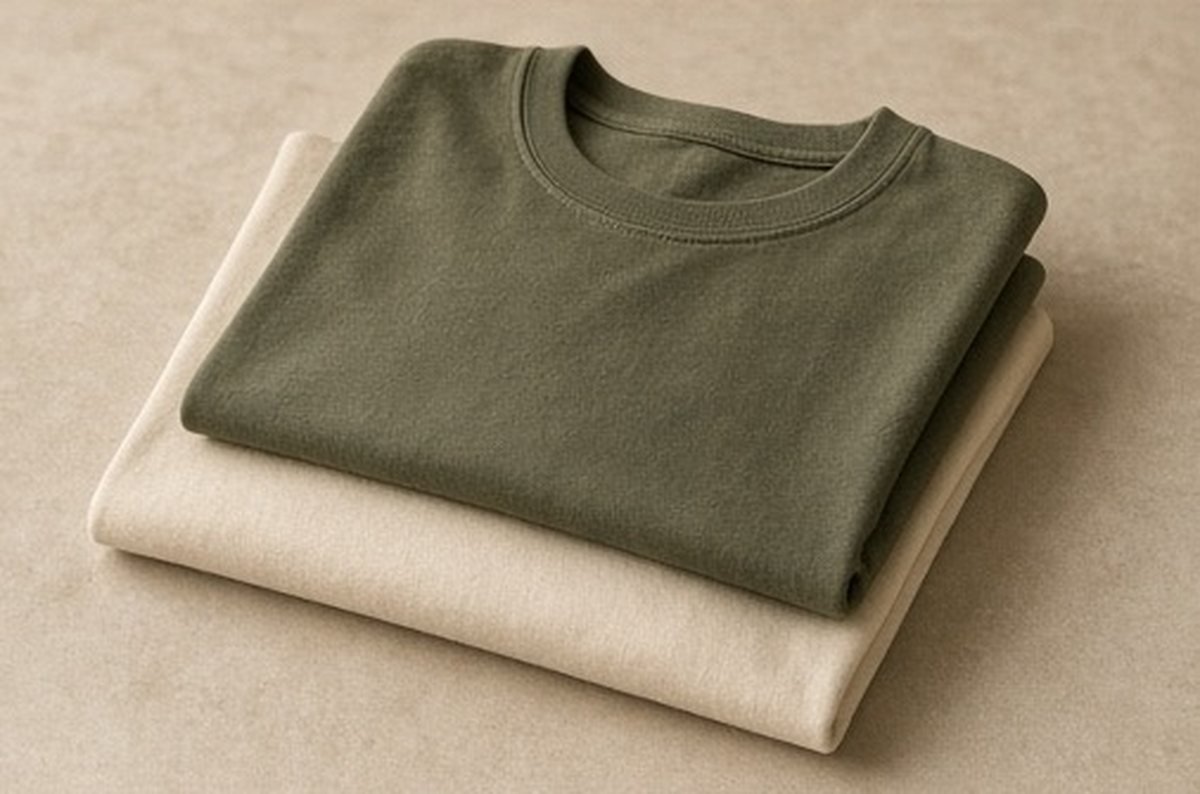
A shopping cart can make a possibility feel like a plan. The item is selected, a colour is chosen and checkout appears to be the natural next step. A clothing waitlist creates a different pause: somewhere to record interest without treating purchase as inevitable. It can be particularly useful when seasonal change makes many things look suddenly necessary.
Use a notebook, document or simple phone note. You do not need an app or a new retailer account. The list should help you make fewer rushed decisions, not become a more elaborate way to spend every evening browsing clothing.
Record the reason alongside the link
Write what attracted you and what job the garment would do. A missing warm layer differs from liking a photograph. Both are legitimate observations, but confusing them can turn inspiration into an invented need. Label the entry honestly if no practical role is clear.
Include the date and details needed to recognise the item later. Links can change, so record the product name, seller and variant. Keep brand claims separate from your own assessment, and do not copy a marketing phrase into the list as established evidence.
Describe the gap in ordinary language
Useful briefs include trousers comfortable for sitting and walking, a washable office layer or a replacement for a worn everyday top. Add the shoes and other clothes it must work with. A clear function helps you compare options instead of focusing only on a favourite image.
Check the existing wardrobe before keeping the entry active. Try plausible substitutes and inspect the repair queue. A useful garment may already be available behind a missing button or unfinished laundry task. The waitlist should expose that possibility rather than bypass it.
Add fit evidence
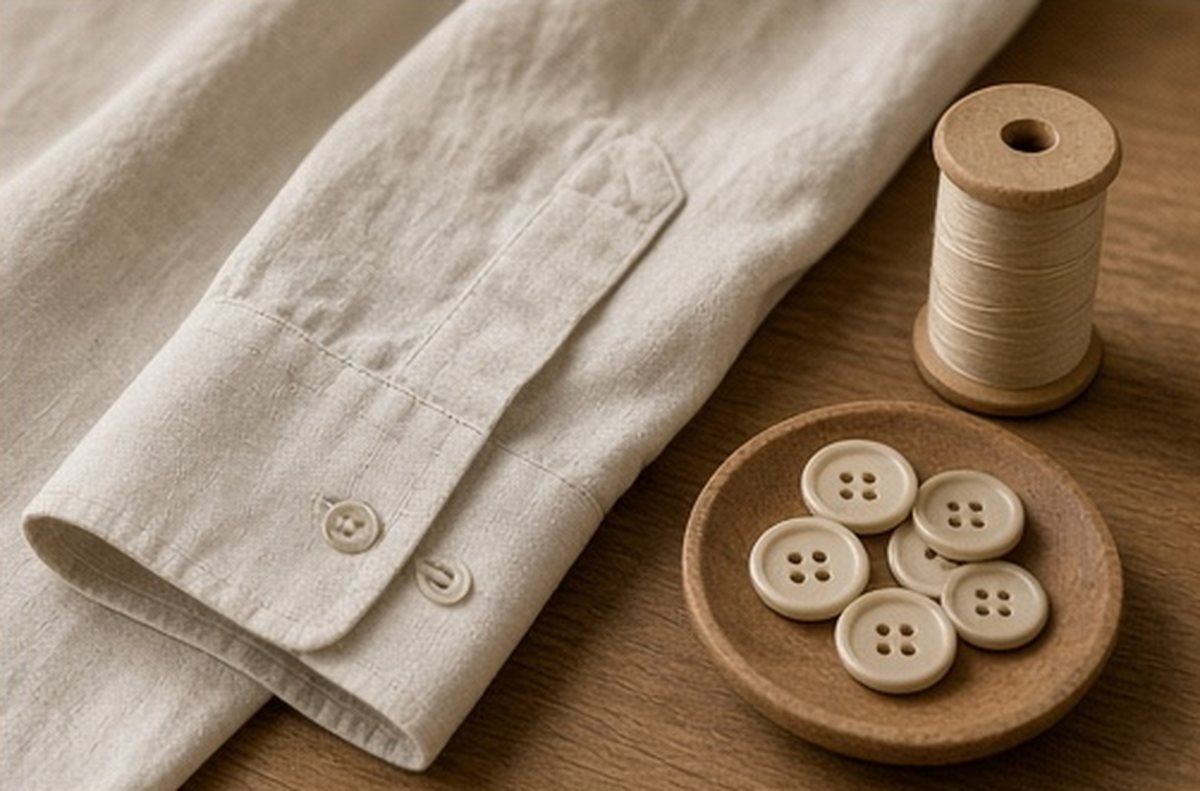
Compare the listing with measurements from a comfortable reference garment. Keep body and garment dimensions separate. Mark missing information such as rise, lining, sleeve room or stretch. Unknown facts should remain unknown until you obtain them, not become optimistic assumptions.
Do not rely entirely on your usual size. Different cuts and brands vary, and familiar ranges can change. If success depends on an alteration, seek an informed view of feasibility and cost before describing the piece as ready to enter your wardrobe.
Put care where you can see it
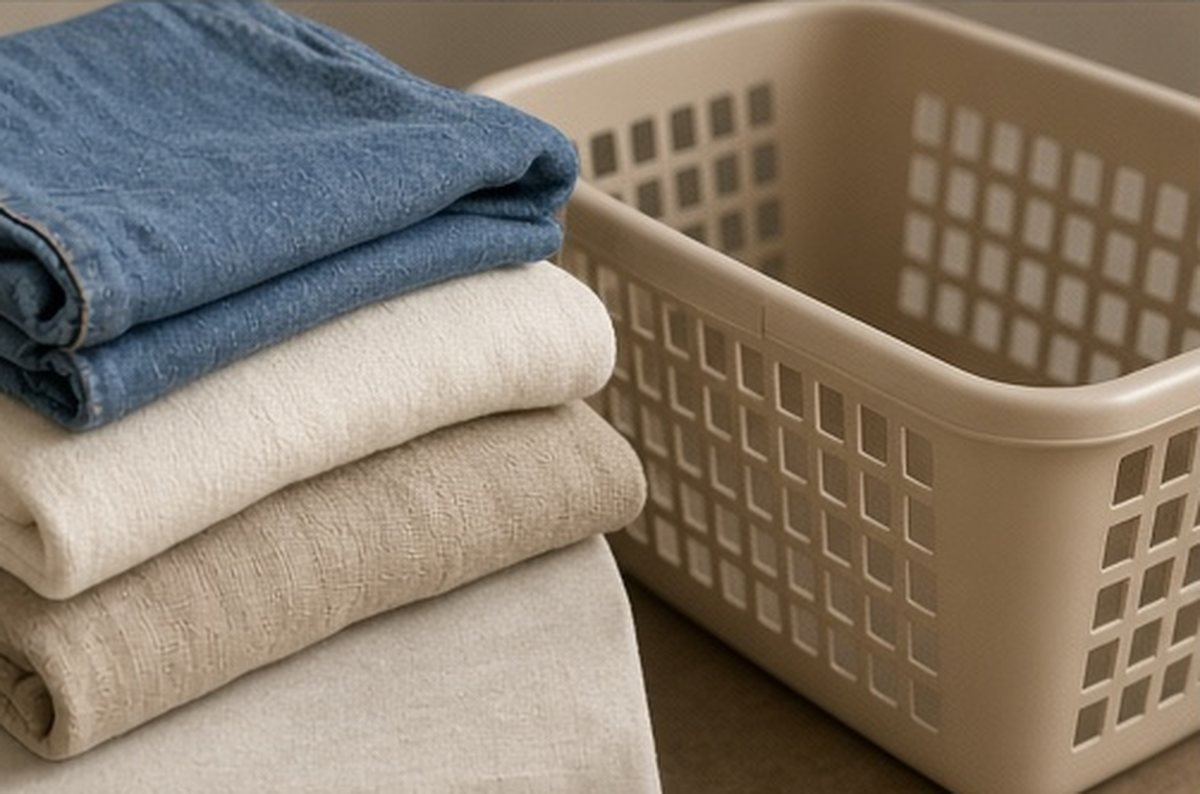
Record washing and drying requirements in the main entry. A garment may be appealing yet poorly suited to your available time, space or facilities. Future enthusiasm is not a dependable maintenance plan. The label's requirements matter before checkout, not just after delivery.
Look at clothing already waiting for similar care. Repeatedly avoiding a task is relevant evidence. You may still choose a special-care piece deliberately, but it should be an informed exception rather than another item joining a permanent backlog.
Set a meaningful review point
Choose a pause appropriate to the need. A replacement required for an imminent trip may need a quicker decision than an optional seasonal layer. The purpose is to separate excitement from judgement, not impose a single waiting period on every situation.
Stop repeatedly checking the item if doing so keeps the impulse active. Promotional reminders can turn a useful pause into a daily ritual of renewed desire. A waitlist works best when attention returns to your actual clothes and activities rather than remaining fixed on the product page.
Record the total cost
Include known delivery, taxes, duties, essential alterations and required supporting purchases. Investigate unclear charges rather than entering zero. Keep the decision within a budget suitable for your circumstances, not one expanded because the item appears discounted.
A sale does not remove fit, function or affordability requirements. Nor does a crossed-out original price prove the offer is good value. Your own brief and available evidence should lead. A promotional deadline is information about the sale, not proof that the wardrobe gap is urgent.
Place alternatives beside the favourite
Add an existing option, a repair route or a realistic secondhand possibility. You do not need to research every garment online. A few credible alternatives can reveal whether the favourite solves the problem especially well or simply has the most persuasive photograph.
If alternatives are unavailable or unsuitable, record that too. Thoughtful shopping does not require endless searching. Your time, access needs and other constraints belong in the decision. A practical answer can acknowledge those limits without pretending a perfect theoretical choice is available.
Review using a few questions
At the chosen point, ask whether the need remains, whether the item meets the brief, whether essential information is clear and whether the total cost is comfortable. Ask whether you would still want it without the discount or deadline. Answer based on evidence rather than the effort already spent researching.
Possible outcomes include buying, waiting for information, trying on, repairing something else or deleting the entry. Treat each as legitimate. If the process only delays purchases but never cancels any, check whether the review has become a formality rather than a decision.
Learn from fading interest
Notice why entries stop appealing. A piece may belong to an imagined lifestyle, require shoes you do not own or duplicate something familiar. Those patterns can make later buying briefs clearer and reduce the power of similar marketing.
Keep the system light and allow it to change. You do not need a permanent archive of every tempting shirt or a score for personal discipline. The waitlist succeeds when it creates enough space to choose deliberately, including the freedom to discover that the wardrobe already supports the season. A cart asks what to buy next; a useful waitlist asks what, if anything, would improve daily life.