
Cost per wear can be a helpful way to slow down a clothing purchase. It can also be a very polished excuse to spend more than you intended. Divide an expensive coat by hundreds of imaginary outings and almost anything begins to look sensible. A better worksheet makes the uncertainty visible and asks whether you need the garment at all.
The basic calculation is simple: the money attributable to a garment divided by the number of times you wear it. The difficult part is choosing honest inputs. Future wear is an estimate, maintenance varies, and the most economical option may be a piece you already own. Treat the calculation as a comparison tool, not a prediction or a measure of personal worth.
Start with a real wardrobe job
Describe the occasion or problem before entering any numbers. Perhaps your everyday trousers no longer fit, or your only raincoat has failed beyond practical repair. That is a different situation from noticing a beautiful jacket while browsing. Both can lead to a purchase, but they deserve different assumptions about likely use.
Write down your existing alternatives. Include the cost of a feasible alteration or repair if it would solve the same problem. Do not describe an unworn item at the back of a wardrobe as useless without trying it again. Sometimes the missing ingredient is a suitable underlayer or a replaced fastening rather than an entirely new garment.
Record the whole acquisition cost
Use the amount you would actually pay, not a comparison price crossed out on a product page. Include delivery charges, any known duties or taxes, and essential alterations. If you cannot establish an international charge, mark it unknown and investigate before ordering. Do not put zero into the cell merely because the information is inconvenient.
If a return might cost money, record that separately as a risk rather than automatically adding it to every successful purchase. The aim is to see your exposure, not to make the spreadsheet artificially precise. Keep currency consistent, and remember that exchange-rate movements can change a comparison between shops.
Add care without double-counting
Consider whether the garment needs professional cleaning, a special detergent or unusual equipment. Only assign costs that are genuinely associated with the item. Buying a washing machine for the household is not the same as the incremental cost of cleaning one shirt. If a care expense serves many garments, divide it reasonably or describe it qualitatively.
Time matters too, but you do not need to invent an hourly rate for every domestic task. A note such as needs careful flat drying may be enough to reveal a mismatch with your routine. Cheap care that you will not reliably perform can be more problematic than a modest paid service you can actually maintain.
Include plausible repairs
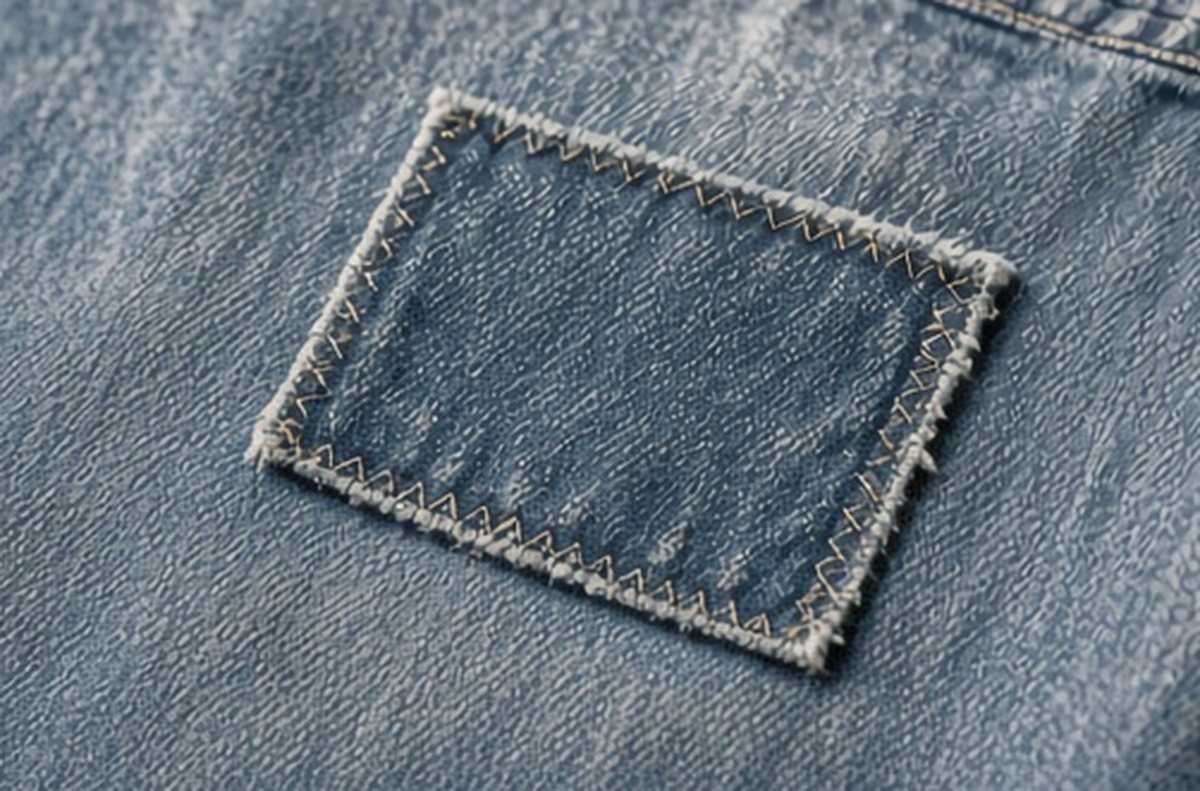
Use an actual quote when possible. A replacement zip, a hem adjustment and a small seam repair involve different amounts of work. If you do not know the price, leave a range or an unknown field. Assuming every repair is inexpensive can make a fragile garment look better on paper than it will be in practice.
Do not count the same alteration both as acquisition and maintenance. Separate work required before the first wear from work that might occur later. Avoid promising a fixed lifespan from a fibre name, a high price or a sustainability slogan. Durability depends on construction, use, fit, care and chance.
Make three wear scenarios
Instead of choosing a single optimistic total, create low, middle and high-use cases. For an everyday layer, base them on your actual week and the months you could use it. For occasionwear, count known occasions before imagining future invitations. A garment that needs unusual weather or a specific dress code may have a narrower role than you first think.
Here is a fictional illustration, not a product price: a garment costing 120 units in total would cost 6 units per wear at 20 wears, 2 units at 60 wears and 1 unit at 120 wears. The arithmetic is straightforward. The useful question is which scenario your past behaviour supports, not which result looks most flattering.
Do not spend hypothetical resale money
An item might eventually sell, but the amount and timing are uncertain. Fees, postage, condition and demand can reduce the proceeds. Make your main decision without relying on resale. You can add a separate scenario using a cautious estimate, clearly labelled as uncertain, if that helps compare options.
The same caution applies to rental income, swaps or promises that a garment will become collectible. Those possibilities are not cash available for today's budget. If a purchase is unaffordable unless it later sells for a particular amount, the worksheet is warning you about the purchase rather than validating it.
Keep ethics outside a single score
A low cost per wear does not establish fair working conditions, responsible sourcing or low environmental impact. Those questions need their own evidence. Read specific brand statements, look for the scope of any claimed certification and distinguish a company's general story from the details of the garment you are considering.
Equally, a high cost per wear does not make a necessary item a personal failure. Body changes, medical needs, unusual weather and unexpected events can interrupt plans. The worksheet should support a thoughtful decision, not become a device for guilt. Financial value and ethical considerations can inform each other without collapsing into one misleading number.
Use the result to choose a next step
Finish with an action: wear an existing alternative for a week, obtain a repair quote, check secondhand measurements, wait for clearer information, or buy within an established budget. If the low-use case feels uncomfortable, do not erase it. Ask what would have to be true for the garment to earn a useful place.
Revisit the worksheet after a season and replace guesses with actual wears and costs. Over time, patterns emerge: which silhouettes you repeat, which care tasks you avoid, and which purchases solve real problems. That modest feedback loop is more valuable than claiming a new garment is an investment before you have worn it outside.