

A plain cotton T-shirt looks like a simple purchase until you compare the details. Two similar photographs can conceal very different fabrics, cuts and care requirements. An ethical message may explain why a brand wants your attention, but it cannot tell you whether the neckline will feel comfortable or the hem will work with your trousers.
Treat a T-shirt as a small piece of everyday equipment. It needs to fit your body and your routine, survive appropriate care and work with clothes you already own. You can consider labour and sourcing claims alongside those practical needs without assuming one attractive slogan answers every question. The best first step is to inspect a T-shirt you already wear frequently.
Measure your reliable reference
Lay that shirt flat and measure the chest, body length and shoulder width without pulling the knit. Note how long ago it was washed and whether it has changed shape. If it is deliberately oversized, remember that its measurements describe your preferred fit, not your body dimensions. Keep that distinction when comparing a retailer's chart.
Look for actual garment measurements on the new listing. A chart containing only body measurements requires a different interpretation because it does not show the intended ease directly. If the information is unclear, ask the seller rather than assuming a familiar size label will work. Unisex, fitted and relaxed cuts can differ substantially.
Read the full composition
Cotton can appear alone or in a blend. Check the exact percentages and any separate composition information for ribbed necklines, panels or trim. A small stretch component may change how a shirt moves, but it does not automatically make it better or worse. Choose according to your preferred feel, shape and care routine.
The words organic cotton concern a sourcing claim; they do not by themselves specify fabric thickness, stitch quality or final fit. Likewise, recycled content does not tell you whether the sleeves will twist after washing. Avoid using a single material attribute as a shortcut for every other aspect of quality. Those are separate questions.
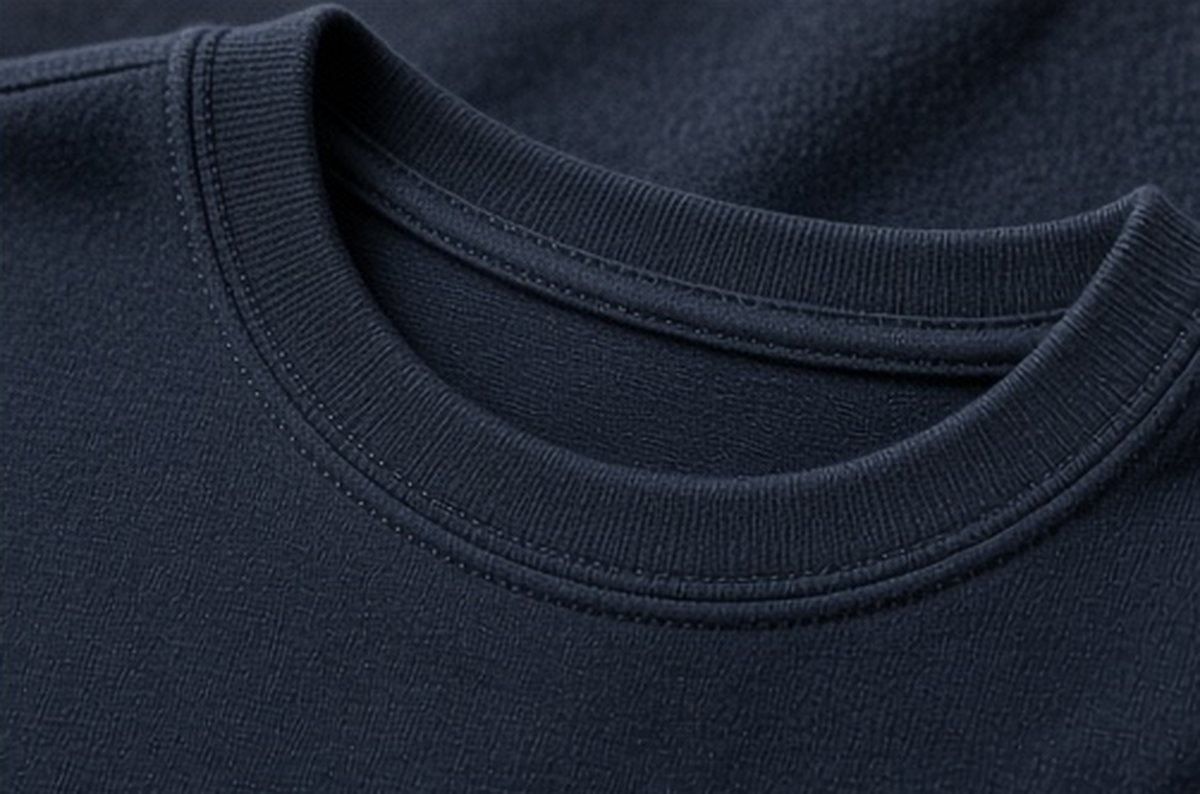
Examine the neckline and seams
In person, look for even stitching, secure seam ends and a neckline that lies as intended without obvious waviness. Online, zoom into construction photographs if they are available. A lack of close-ups is a limit to your assessment, not proof of poor quality. Keep your confidence proportional to what the evidence actually shows.
Check how seams feel on your skin, particularly if you carry a backpack or wear the shirt beneath a fitted layer. Decorative stitching that looks substantial might be uncomfortable in those situations. If you have sensory preferences, your own experience should outweigh a generic description such as premium or luxuriously soft.
Test opacity and drape
Try the shirt in lighting similar to where you will wear it. A light colour can show underlayers or waistbands, and a fabric that looks opaque while hanging may reveal more when stretched across the body. Check sitting, reaching and bending rather than judging a single still pose.
Drape affects how the shirt works tucked, untucked or beneath a jacket. A heavier knit may hold its shape differently from a fine one, but weight alone is not a quality ranking. Decide whether you want structure, fluidity or a particular layering function. Avoid buying a fabric you dislike simply because it sounds more substantial.
Translate ethics claims into questions
Per the brand, Etiko's official website describes clothing, footwear and underwear categories and states a commitment to living wages across its supply chain. Those are the brand's own statements, not an independent audit performed by this publication. They provide a starting point for reading the supporting information rather than a reason to skip product checks.
When any brand cites certification, inspect what it covers: the fibre, a particular production stage, a product range or the company. Look for a current explanation and the relevant certification body's information where available. Do not assume every logo has the same scope, or that a general company claim automatically applies in identical form to every item.
Check care before checkout
Read the washing and drying instructions while you still have a choice. If you rely on a shared laundry with limited settings, a care-intensive shirt may not be practical. Do not assume all cotton garments tolerate the same temperature or drying method; dyes, finishes, trims and construction can alter the instructions.
For an existing shirt, follow its label and avoid unnecessary high heat. Reshape it gently when appropriate and store it in a way that does not distort the shoulders. If a garment repeatedly loses its shape despite suitable care, record what happened. That real experience is more informative for your next purchase than a general promise of lasting quality.
Consider the role in your wardrobe
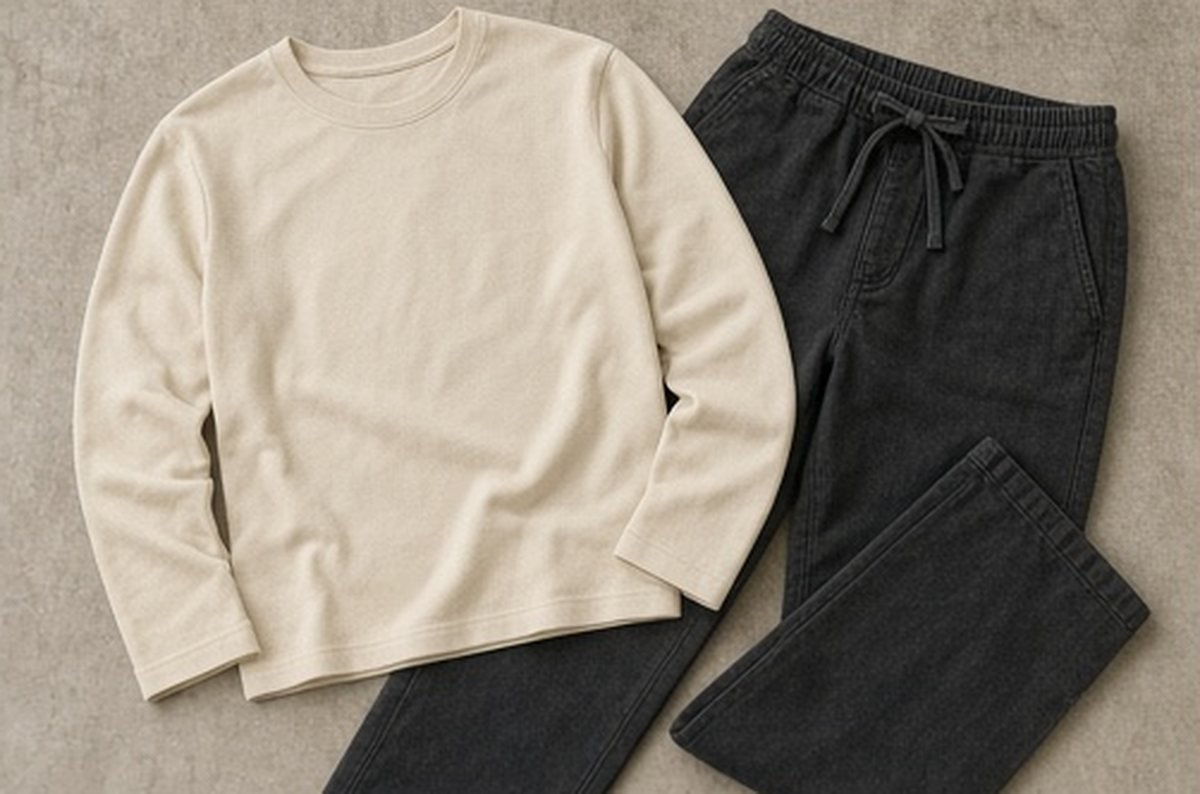
Name three outfits the shirt can join immediately. Include the underwear and outer layers you normally use. If it only works with a new pair of trousers, a new jacket and different shoes, it is not solving a small basics gap. A plain item can still create a surprisingly expensive chain of follow-up purchases.
Check whether another shirt at home already performs the job. A new ethical option does not make a wearable existing piece obsolete. Repairing a small seam, removing a manageable stain or moving a less-used shirt into the everyday rotation may be the more useful choice. Buy when the need is clear, not simply when the marketing feels reassuring.
Make the decision with limits visible
Before ordering, review the return conditions, delivery information, measurements and material details on the exact current listing. Keep any unresolved question visible rather than filling it with an optimistic assumption. It is reasonable to decide you do not have enough information to buy yet.
A good cotton T-shirt does not need to represent your entire philosophy. It needs to do its everyday job well, while any ethical claims remain open to careful examination. Combining those two kinds of scrutiny is less glamorous than accepting a slogan, but much more likely to produce a garment you actually keep wearing.
Brand source
The limited Etiko description above is per the brand's official website. No independent certification verification, price comparison or hands-on product test is claimed.