
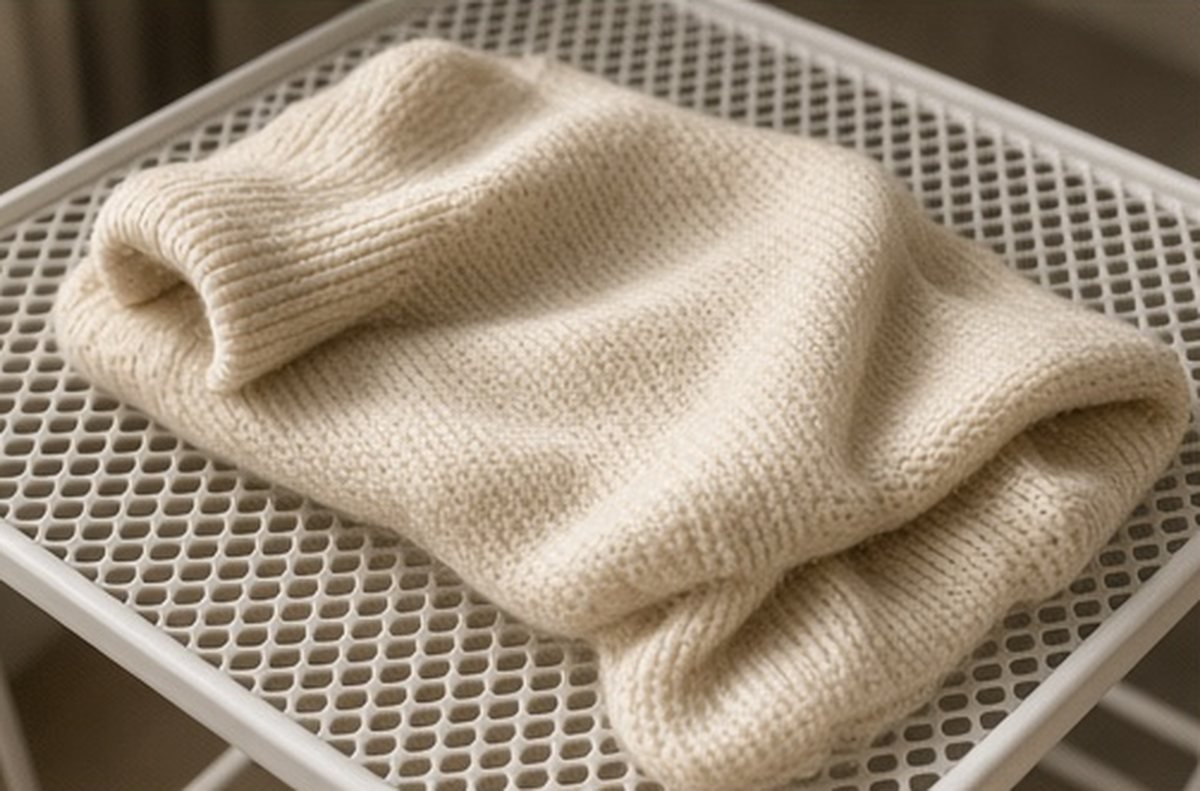
A pile of clothes waiting for repair can become a second, less useful wardrobe. Each item carries a small promise: sew the button, replace the zip, learn to darn, finally shorten the trousers. Repair is valuable, but a backlog without a plan does not keep clothes in use. A short triage turns good intentions into a few decisions you can actually carry out.
Gather the items, good light and a notebook. You do not need to diagnose every technical problem yourself. The aim is to separate straightforward tasks from jobs needing a professional opinion, and to identify pieces you would not wear even after a successful repair. Honesty at this stage protects both your time and the garment.
Ask whether you want the finished item
Before inspecting the damage, imagine the piece fully restored. Does it fit now? Does it suit your daily life? Would you choose it over similar clothes you already own? A sentimental item may deserve preservation without returning to regular wear, but that is a different goal from filling a wardrobe gap.
If the answer is uncertain, try it on where safe and practical. A repair cannot resolve every fit or comfort problem. Replacing a missing button will not make a scratchy collar pleasant, and mending a hole will not change a cut you dislike. Decide what the job can realistically achieve before assigning it priority.
Inspect the fabric around the damage
Look beyond the visible hole or open seam. Is the surrounding fabric still strong, or is a larger area thin and weakened? A seam that has come undone may need a different intervention from fabric tearing beside an intact seam. Avoid tugging hard at fragile material just to test it; a gentle inspection is enough to identify uncertainty.
If several areas are deteriorating, a small patch may be only a temporary fix. That can still be useful, especially for workwear or a much-loved piece, but set expectations accordingly. For delicate, valuable or unusually constructed garments, seek a specialist opinion before attempting an irreversible repair.
Make three action groups
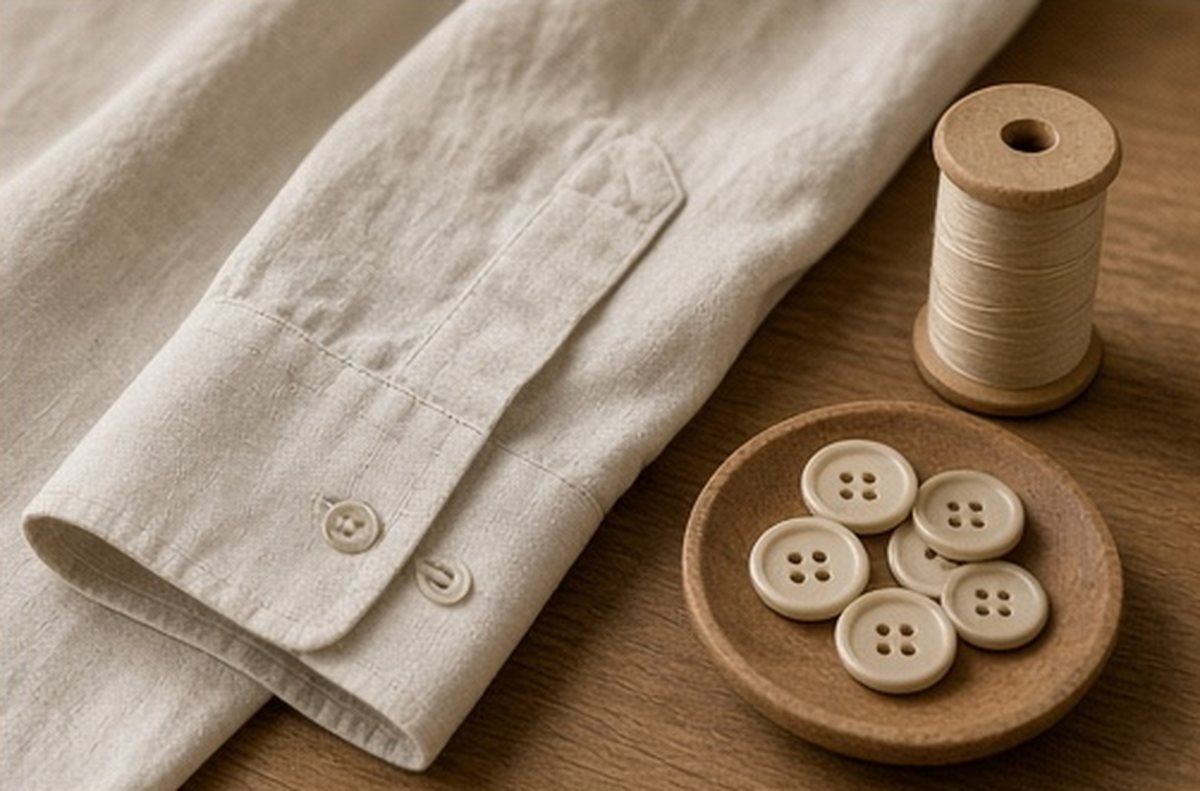
The first group is simple tasks you already know how to do safely: perhaps sewing on an ordinary button or closing a short, accessible seam. Keep this group small. Confidence should come from existing skill, not from the hope that every tutorial will work on your particular fabric.
The second group needs a quote or diagnosis. Broken zips, lining damage, complex alterations and fragile knits may belong here. The third group needs a different decision: repurpose, pass to someone who genuinely wants the project, or investigate an appropriate local textile route. Do not disguise disposal as donation by giving an organisation unusable goods it cannot accept.
Prioritise the repair with the clearest return
Choose one item that will be worn soon after repair. Consider the season, the number of outfits it unlocks and whether a suitable substitute already exists. Restoring everyday trousers before a work trip may matter more than mending a formal jacket with no foreseeable occasion. Priority is about usefulness, not guilt.
Give the task a specific next action and a modest deadline: find the spare button, book a consultation, or take photographs for a quote. If you keep postponing the same job, ask why. Missing tools, an unclear technique and lack of genuine interest need different solutions. Rewriting repair on a to-do list is not progress.
Ask better questions when getting a quote
Tell the repairer how you use the garment and what finish you would accept. An invisible result and a visible patch can involve different techniques and costs. Ask whether the surrounding material is strong enough, whether the alteration will affect pockets or proportions, and what limitations will remain after the work.
Obtain the actual price and expected turnaround rather than relying on a generic online estimate. If the cost is higher than expected, consider the garment's usefulness, comfort and meaning. A repair need not be cheaper than the lowest-priced replacement to be worthwhile, but it still needs to fit your available budget.
Practise before working on a favourite
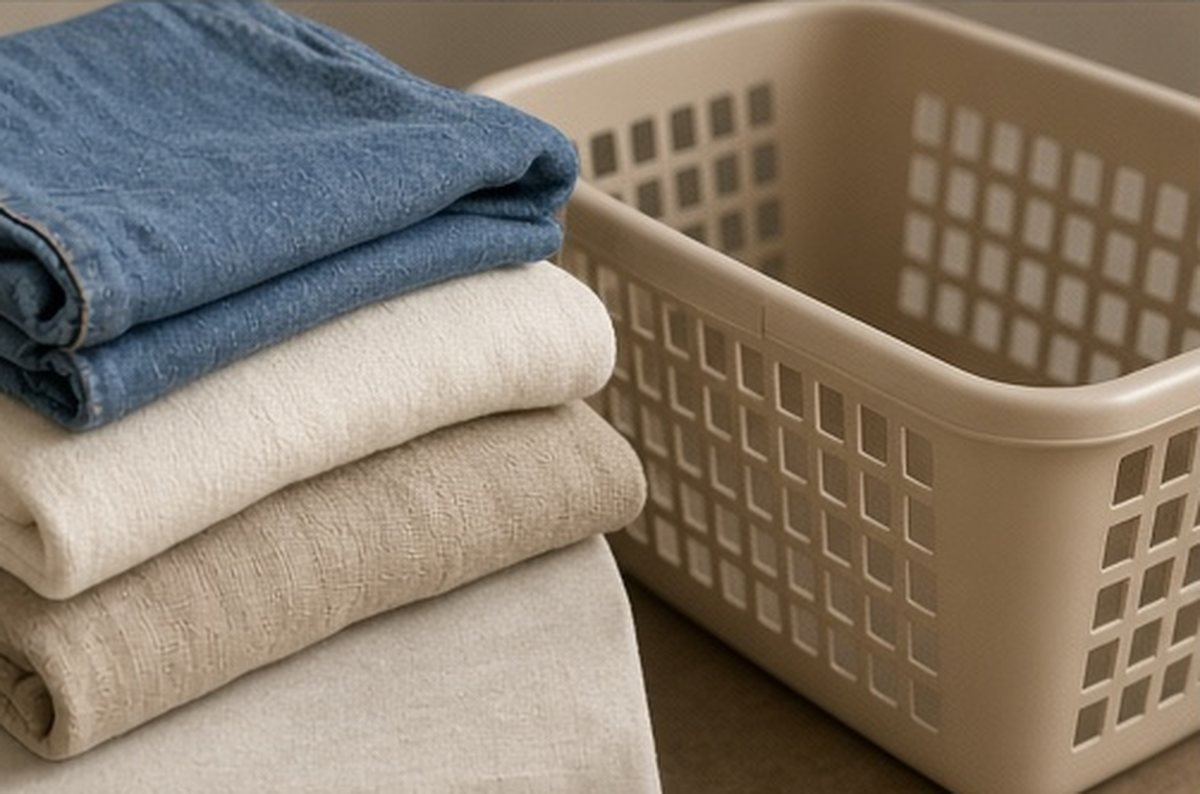
For a new hand-sewing technique, use scrap fabric or an expendable practice piece first. Match the practice material as closely as possible to the real garment. A stitch that behaves well on a sturdy woven fabric may not behave the same way on a stretchy knit or a delicate lining.
Do not cut away damaged areas until you understand the method. Irreversible trimming can remove the very material needed for a stable repair. Keep sharp tools away from your body, work slowly and stop when the fabric or construction differs from the tutorial. Getting help early can preserve options.
Consider visible mending on purpose
A visible repair can be a design choice rather than an apology. Decide where you want attention to land and whether the patch or thread will feel comfortable during wear. Check the inside as well as the outside: bulky knots and stiff patches can rub at elbows, knees or waistbands.
Try the garment on during the process when safe. Movement can reveal tension that is not obvious on a flat table. If a repair draws the fabric tightly around a joint, it may need adjustment before completion. Function should lead the decorative decision; an attractive mend that makes the piece uncomfortable does not restore its usefulness.
Plan a responsible exit for the remainder
Some items will not be suitable for another full season of clothing use. Consider whether sound sections can serve a genuine purpose in another repair or household task, but avoid creating a second stockpile of scraps with no intended use. Keep only what you can store and realistically use.
Check local collection rules rather than assuming every textile bin accepts every fibre, condition or accessory. Requirements vary. If you pass an item to another person as a project, disclose the damage clearly and make sure they want it. Extending the item's life depends on an actual next user, not merely on moving it out of your sight.
Finish by returning one successfully repaired garment to your active wardrobe. Put the remaining tasks somewhere visible but contained, with their next actions recorded. A sustainable repair practice is not measured by how many damaged clothes you can accumulate. It is measured by how reliably your repairs help clothes become useful again.