
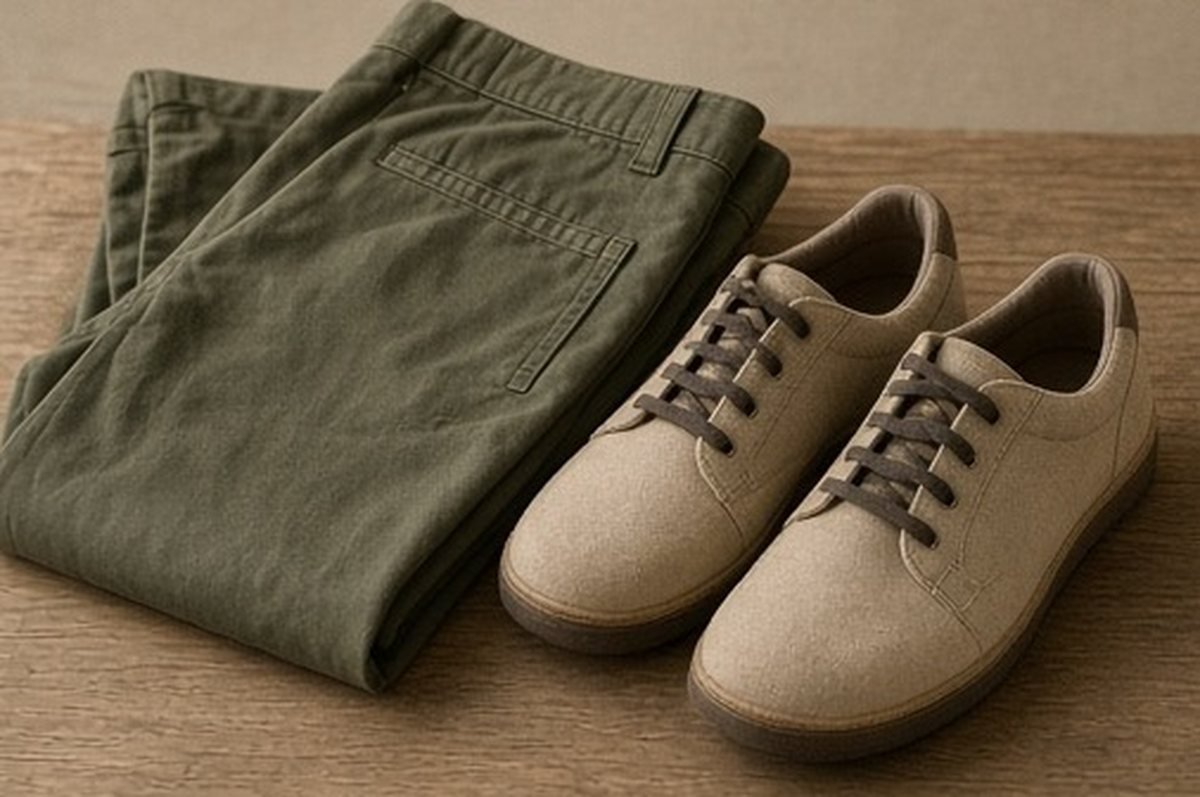
One pair of trousers for a city break and an easy outdoor walk sounds like an obvious packing win. In practice, the useful pair is not necessarily the one with the most technical language on its product page. It is the pair that handles your actual movements, carries essentials comfortably and looks appropriate wherever you plan to stop.
Begin by defining the outdoor part of the trip. A maintained park path, a muddy hillside and a mountain route are not interchangeable. This guide concerns everyday travel and straightforward walks, not specialist protective equipment. When conditions call for dedicated clothing or expert route advice, a compact packing list should not take priority over safety.
Write the requirements in plain language
List how long you expect to walk, the likely weather, whether you will use public transport and what you will carry. Note any restaurant or workplace dress requirements. A pair that suits a relaxed café may not meet a formal event's expectations, regardless of how clean the silhouette looks in an advertisement.
Decide which features are essential and which are merely appealing. You might need a comfortable waistband and a secure pocket for a transit card, while a multitude of cargo pockets would be unnecessary. The purpose of technical features is to solve a problem. Adding them to a shopping checklist without a use case can make the decision less clear.
Test sitting before testing a summit pose
Sit in a normal chair for several minutes, bend forward and stand up again. Check pressure at the waistband, pulling across the seat and any seam that digs into the upper thigh. Travel often involves more time sitting in trains or cafés than making dramatic movements on a hillside.
Try the trousers with the underwear and belt you normally use. A waistband that feels comfortable without a belt may behave differently once pockets are loaded. If the closure presses into your abdomen or the back gaps uncomfortably, do not assume the problem will disappear during a long journey. Choose comfort in the situation you actually face.
Check a full walking range
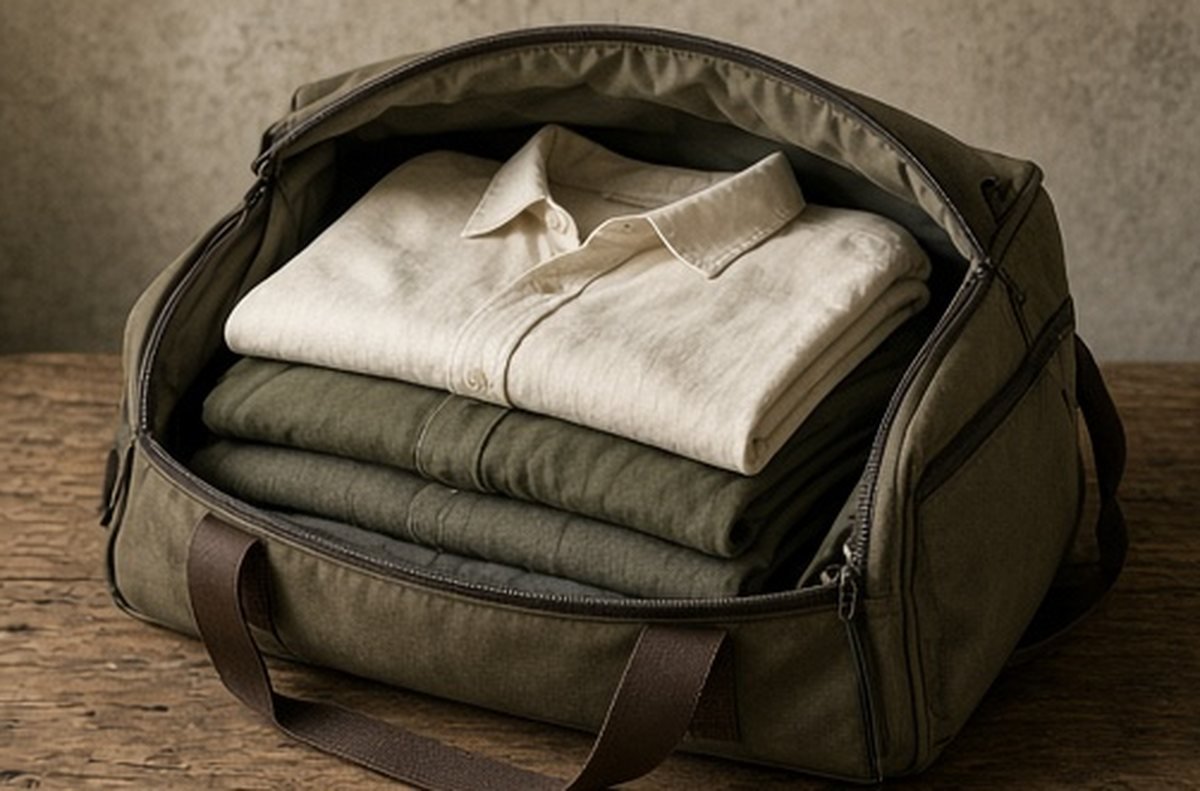
Take normal steps, climb a few stairs where safe and lift each knee. The fabric should allow the intended movement without severe pulling or the hem catching under your heel. Stretch can help, but it cannot fully compensate for an unsuitable rise, restrictive cut or incorrect size.
Look at where the trousers move as you bend. If the waistband slides down or the legs ride up excessively, the pattern may not suit your proportions. A photograph of someone else moving comfortably is not a substitute for this test. Your own movement and the garments you layer underneath determine the result.
Load the pockets realistically
Put a phone, keys or transit card in the pockets you intend to use, then walk and sit again. An empty pocket can look tidy but sag or bounce once loaded. Check whether objects press into your thigh, fall out when seated or become difficult to reach beneath a jacket.
Do not overload a garment simply because it has several storage compartments. A small bag may distribute weight more comfortably and keep valuable objects better organised. If you depend on a zipped pocket, inspect the opening and closure. Pocket security should be evaluated directly rather than inferred from an outdoor aesthetic.
Read material claims narrowly
Per the brand, Foehn's official website presents apparel for movement in the mountains and lists a Brise Schoeller pant range. Those are the brand's own descriptions and product names. They do not establish that every model is waterproof, suited to every route or appropriate for your climate. Check the exact current product specifications.
Terms such as stretch, breathable and water-resistant describe different attributes. Do not treat them as interchangeable, and do not turn water resistance into a promise of remaining dry in prolonged rain. If a listing does not explain a performance claim, mark that limitation instead of filling it with an assumption. This article is not a hands-on Foehn product review.
Fit the trousers into a weather system
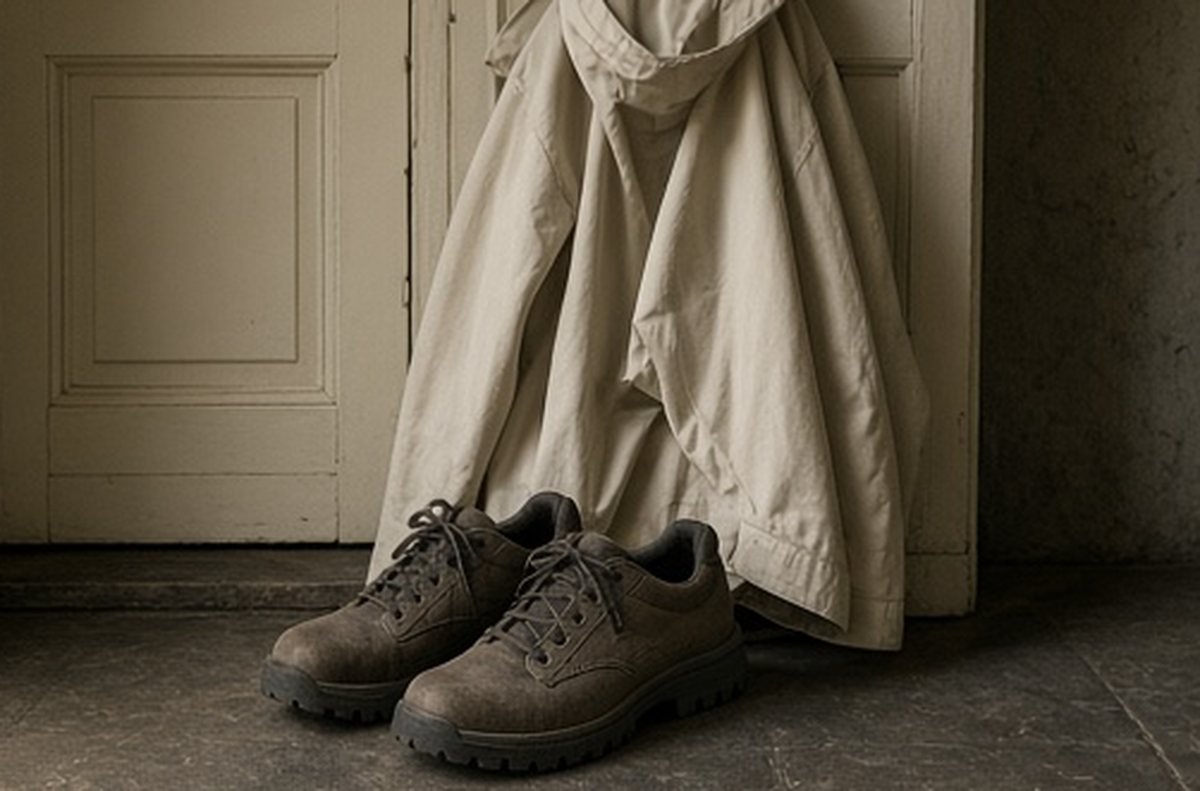
Consider what happens above and below them. Will your rain layer cover the waistband? Do the hems work with your intended footwear? If you expect to wear a base layer, test it beneath the trousers rather than assuming the fabric's stretch will create enough room.
Think about temperature changes across the day. Trousers that feel comfortable while stationary indoors may feel different during sustained uphill walking. Adjustable layers elsewhere can help, but they cannot make an unsuitable trouser fabric ideal in every condition. Choose for the most important use, and acknowledge the compromise in the secondary one.
Examine cleaning and drying logistics
Read the care instructions before planning to wash the trousers during a trip. Fast-drying language is not a guarantee of a specific drying time in a humid room. Waistbands, pocket bags and doubled fabric can remain damp after the main legs feel dry. Allow a buffer before checkout.
For a short trip, ask whether a spare bottom is still worthwhile. A spill, mud or a damaged closure can remove your only pair from service. The weight saved by carrying one pair may not justify the inconvenience. Minimal packing works best when it includes a reasonable recovery plan rather than denying ordinary mishaps.
Make the final outfit test
Wear the trousers with the actual shoes, outer layer and bag you intend to take. Walk around at home, sit and access the pockets. Then look at the complete outfit in the context of your city plans. A technically capable garment still needs to fit your preferences if you expect to wear it repeatedly.
If a pair already in your wardrobe passes these checks, there may be no need to buy anything. If not, carry your measurements and requirements into further research. The strongest city-to-trail choice is a well-understood compromise, not an untested promise that one pair of trousers can do absolutely everything.
Brand source
Product-range references are per the brand's official Foehn website. Verify current specifications, care and suitability on the exact listing. No independent performance testing is claimed.