
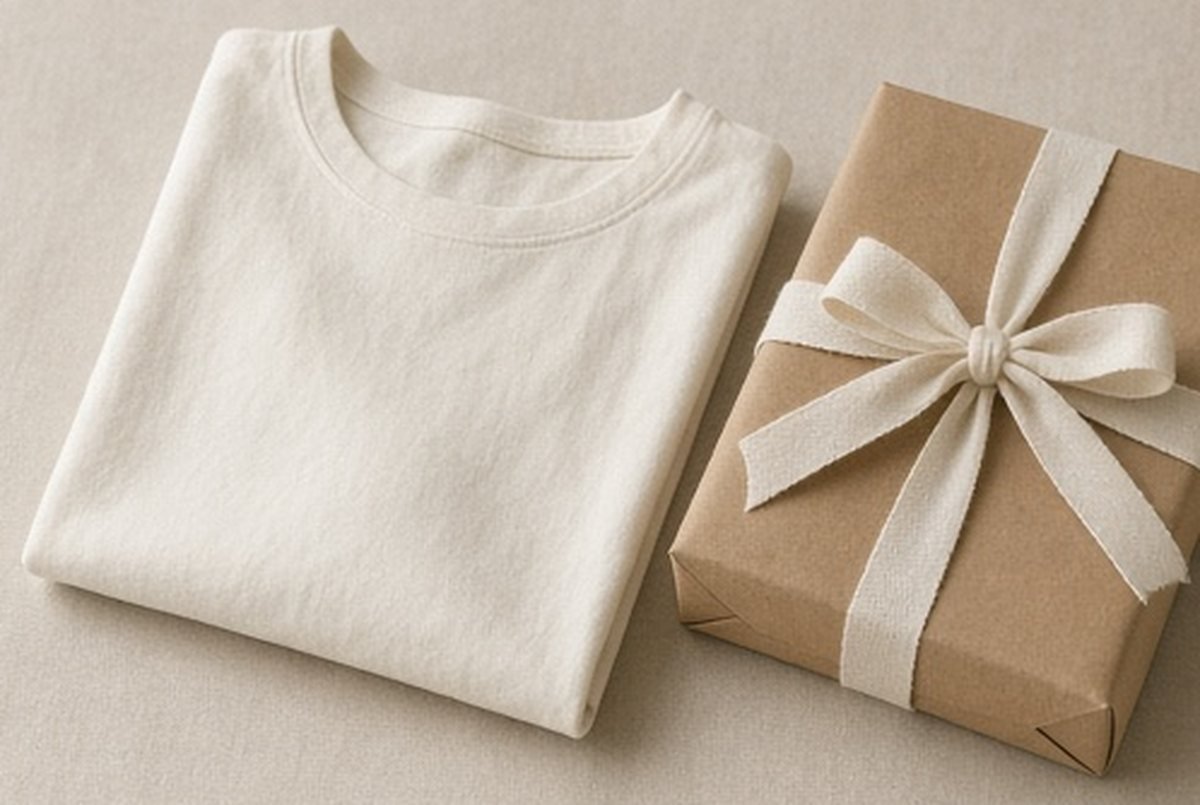
A secondhand clothing gift can be personal and useful, but it can also place an unexpected decision on the recipient. They may need to assess fit, arrange care or decide what to do with something that cannot be returned. Thoughtfulness begins with those realities, not only with finding a garment that resembles their style.
Treat the gift as an offer rather than a completed obligation. A shared shortlist, an agreed brief or a garment chosen together can preserve the pleasure of the gift without requiring a surprise. The important result is clothing the recipient actually wants to use, with the freedom to say no before or after the fitting.
Ask whether secondhand is welcome
Do not assume that a person's interest in sustainability means they want every kind of secondhand clothing. They may have preferences about garment categories, cleaning, condition or fit. Ask in an ordinary, non-pressuring way and let the answer shape the plan.
If surprise matters to you, separate the surprise from the uncertain garment. You can agree on a category or provide a small selection to choose from without making the recipient responsible for accepting anything. The gift should respect their preferences rather than test whether they share your values in exactly the same way.
Build a brief from real use
Ask what role the garment would serve and what they already own that works. Relevant details might include a preferred neckline, sleeve length, care routine or fit in one particular area. Use information they choose to share rather than guessing body measurements from appearance or a familiar size label.
Keep the brief narrow enough to be useful. A warm layer for ordinary indoor wear is a different search from an event dress or a specific vintage style. If the recipient has no current clothing need, another gift may be more appropriate. A bargain does not create a gap in someone else's wardrobe.
Check the exact item's condition
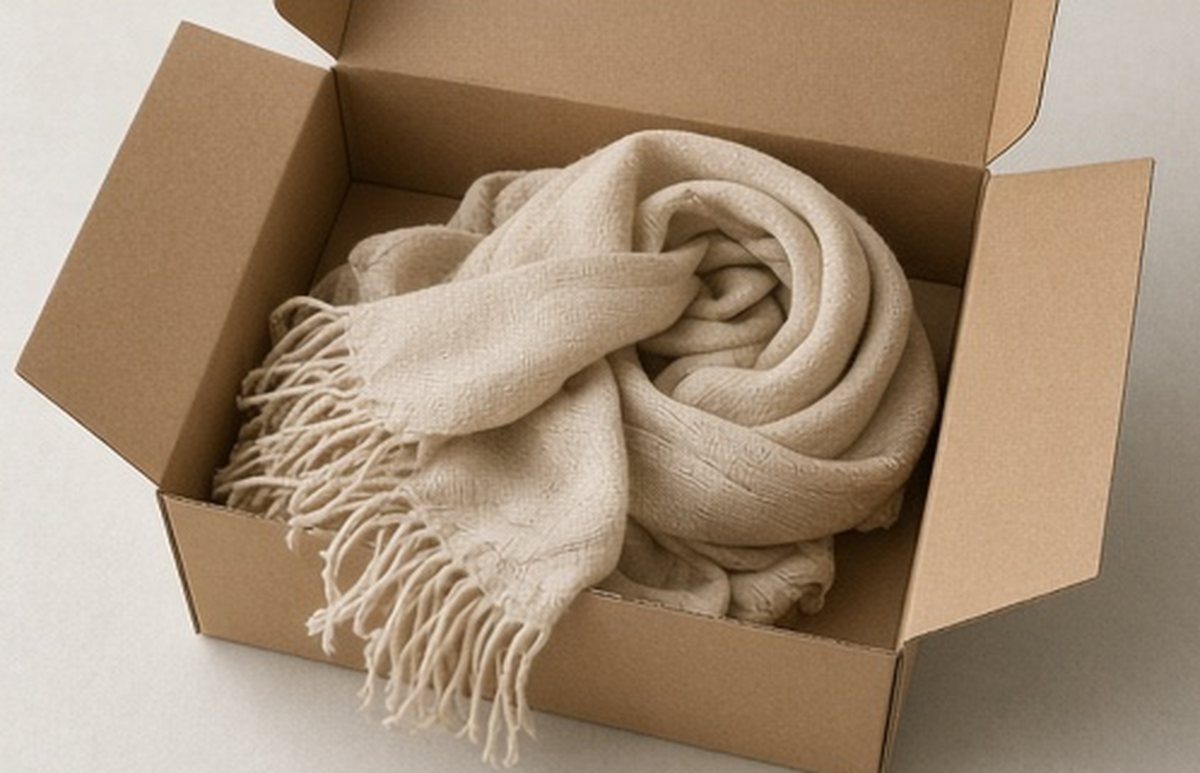
Read the listing and ask for clear information about marks, damage, repairs and alterations where needed. Photographs can support the description, but they may not show every relevant area. Do not assume a flattering image proves excellent condition or that a low price makes undisclosed work acceptable.
Separate a visible feature the recipient enjoys from an issue they would have to fix. If repair is needed, discuss that before purchasing and do not promise a simple solution you have not established. A gift should not quietly include an unfunded or unwanted alterations project.
Compare measurements rather than labels alone
Use the seller's measuring method and a suitable reference garment where the recipient is comfortable doing so. Older labels, different brands and altered garments may not align with a familiar current size. A single letter or number is not enough to establish fit.
Ask about relevant changes if the measurements or construction suggest a question. Do not infer original dimensions from a hem or assume an alteration can be reversed. If the uncertainty remains substantial, involve the recipient in the decision. Their willingness to accept that uncertainty matters more than the satisfaction of keeping the gift secret.
Clarify the return or alternative route
Check the actual seller's conditions before buying. Do not assume every secondhand purchase has a return route or that the recipient can use one without your order information. Keep any relevant confirmation accessible and agree on who would handle a problem.
If returning is not available, discuss what happens if the garment does not work. The recipient should not have to keep it to protect your feelings. You might agree that it can be passed on appropriately, but do not turn that into another administrative task they never wanted. The alternative should be realistic and mutually understood.
Agree on care before presentation
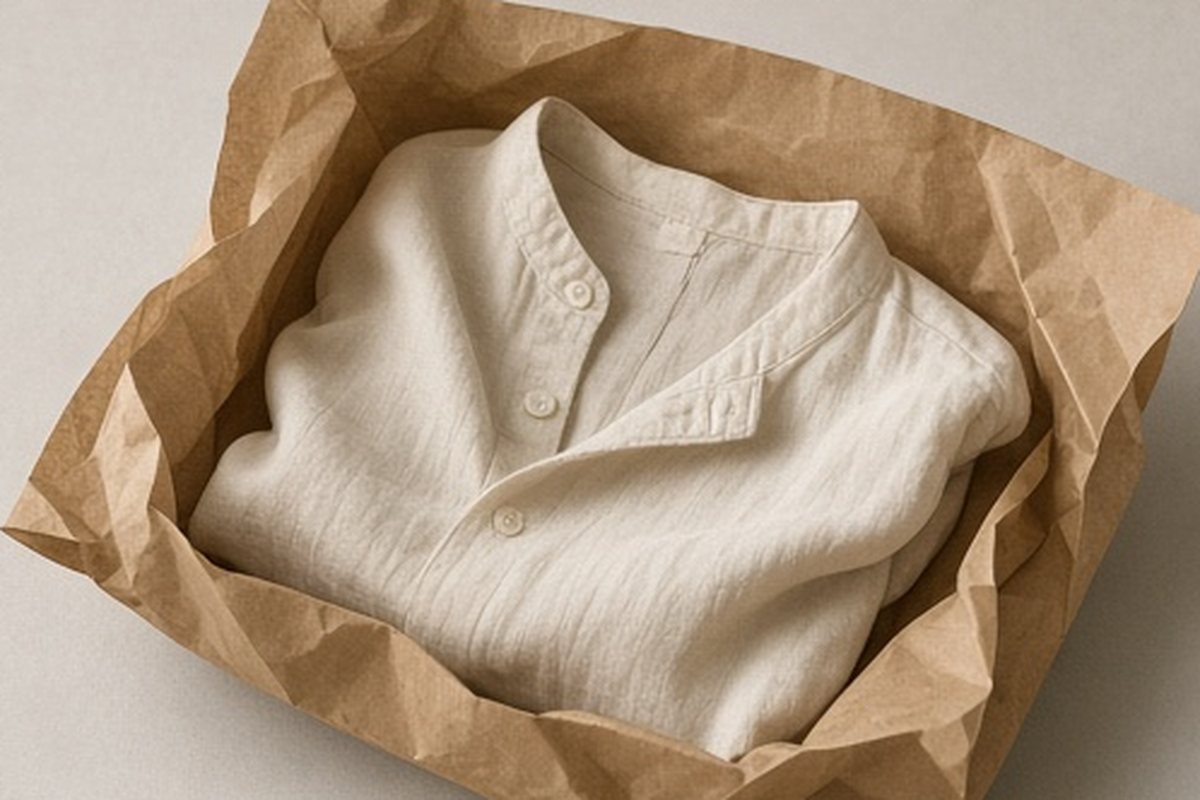
Read the garment's available composition and care information. Decide who will arrange any necessary cleaning and what process is appropriate. Do not apply a generic treatment to an unfamiliar textile simply because you want the gift to look ready quickly.
If labels are missing or care is uncertain, acknowledge that limitation rather than inventing a fibre description. An appropriate professional may be needed to assess the item. Avoid presenting an unresolved care problem as part of the charm of vintage or pre-loved clothing unless the recipient knowingly welcomes that kind of project.
Make the fitting free of pressure
Give the recipient room to try the garment with their own underlayers, shoes and ordinary movements, within any applicable return conditions. Do not ask for an immediate enthusiastic verdict while watching every adjustment. Comfort and usefulness can take more than a first glance to assess.
Accept a specific mismatch without treating it as rejection of the gift itself. A sleeve, shoulder or waist may be wrong even when the recipient likes the colour and the thought behind it. The useful outcome is clear information and a workable next step, not persuading someone that they should tolerate the fit.
Pass on the useful information
If the garment is kept, include relevant care details, known alterations and any original spare parts securely identified. A brief factual note is more useful than an exaggerated story about the garment's provenance. Do not claim an age, maker history or environmental saving that you cannot support.
A successful secondhand clothing gift combines attention with consent. It can celebrate a distinctive find while remaining honest about condition and fit. Giving the recipient a real choice does not reduce the thoughtfulness of the gift; it makes it more likely that the garment becomes part of their life rather than another obligation in their wardrobe.