
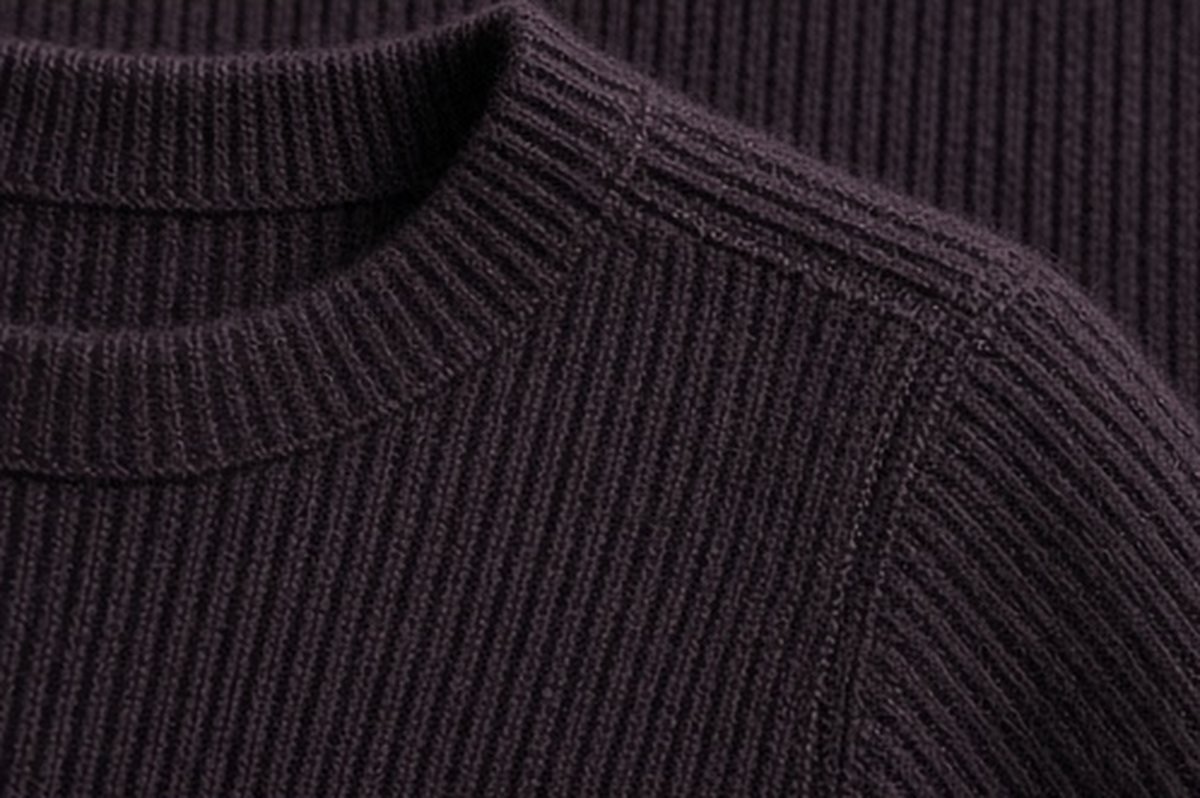
A tee's neckline can decide whether it becomes a useful base or a piece you keep rearranging beneath other clothes. Crew and V-neck shapes offer different visual relationships with a shirt, cardigan or jacket. Neither is automatically the more versatile option for every wardrobe.
Per the brand, Unbound Merino lists Merino Crew Neck T-Shirt and Merino V-Neck T-Shirt options. These names identify styles to compare, not identical specifications, a universal fit or a guaranteed number of wears between cleaning. Start with the layers you actually repeat, then use the exact product information to investigate which neckline meets your preference.
Name the role of the tee
Decide whether the tee is mainly worn alone, beneath an open shirt or under a knit. Those uses can create different coverage and visibility preferences. A shape that you enjoy as a standalone top may not be the one you want visible at the neck of another garment.
Choose the most frequent use first rather than trying to optimise every possible outfit. You may need one neckline, both or neither if existing tops already cover the role. The useful decision begins with the wardrobe gap, not a general rule that every travel capsule must include a particular basic.
Compare the exact neckline information
Look at photographs, descriptions and any relevant measurements for the selected item. Crew and V-neck names do not tell you the exact width, depth or position on your body. A familiar shape can vary between brands and styles, so avoid transferring expectations from another tee without evidence.
If a dimension matters and is absent, ask a clear question. Do not choose a size merely to change neckline depth without considering the effect on shoulders, sleeves and body fit. A different cut may be a more direct answer than changing several dimensions to solve one preference.
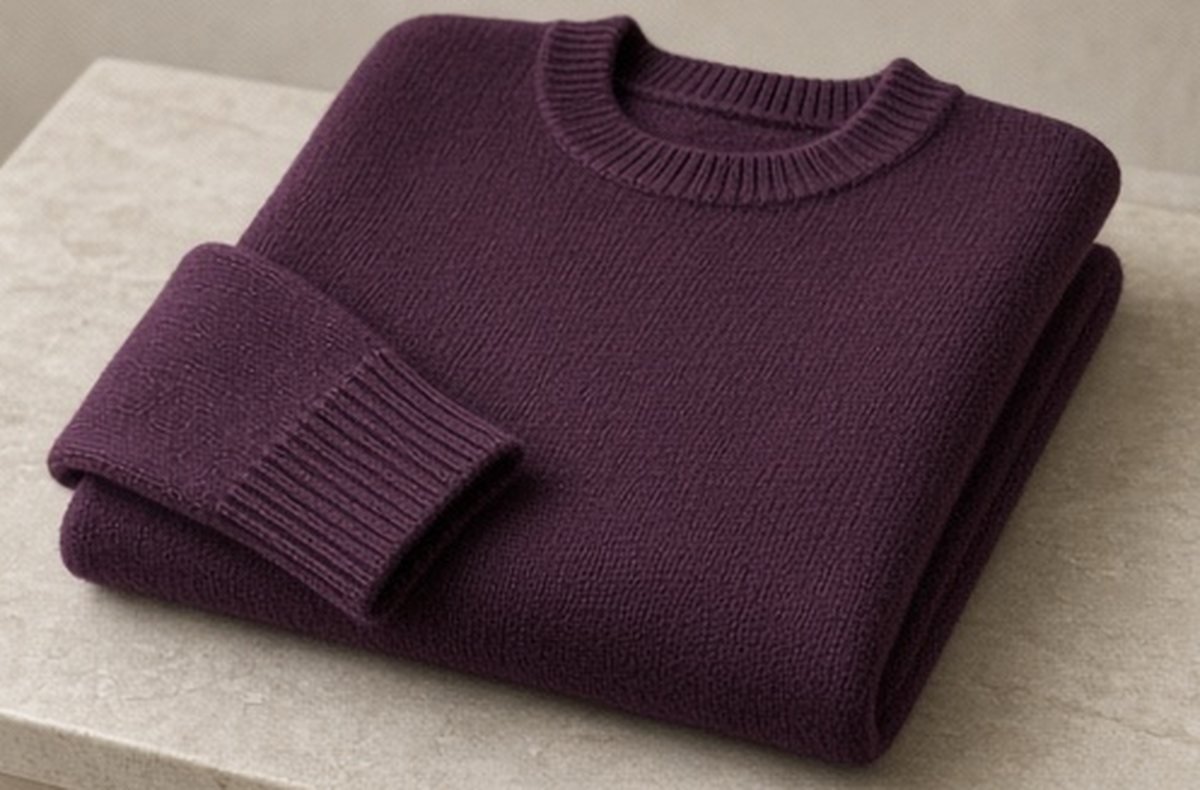
Use two familiar outer layers
Pick the shirt or cardigan you wear most and one other useful layer. Keep the rest of the outfit the same initially. This makes it easier to see the neckline relationship without changing every element of the comparison.
Check whether you want the tee to show, sit below the outer opening or create a deliberate contrast. These are personal styling choices, not rules about which neckline flatters a body type. Start with what you like and can comfortably wear. There is no need to buy another outer layer to make a new tee appear more useful.
Check the tee worn alone
Even if the main role is underneath something else, consider whether you expect to remove the outer layer during the day. If so, assess the tee as a complete top with your intended bottom and underlayers. A base that you do not want visible alone limits how removable the outfit really is.
During a permitted fitting, sit and move gently in the ordinary ways the day requires. Respect return conditions and do not stretch the neckline to create the result you want. Coverage should come from suitable construction and fit, not from holding the garment in place for a still photograph.
Notice the neck and shoulder interaction
A neckline is attached to the rest of the garment. Check shoulder position and upper-body room alongside the opening itself. A tee that pulls or shifts because another area does not fit may not be solved by choosing a different neck shape alone.
Use a similar comfortable garment as a reference, measured according to the seller's method where available. Note the limits of the comparison if construction or intended ease differs. A chest number is useful information, but it is not a full explanation of how the top will sit beneath the layers you plan to wear.
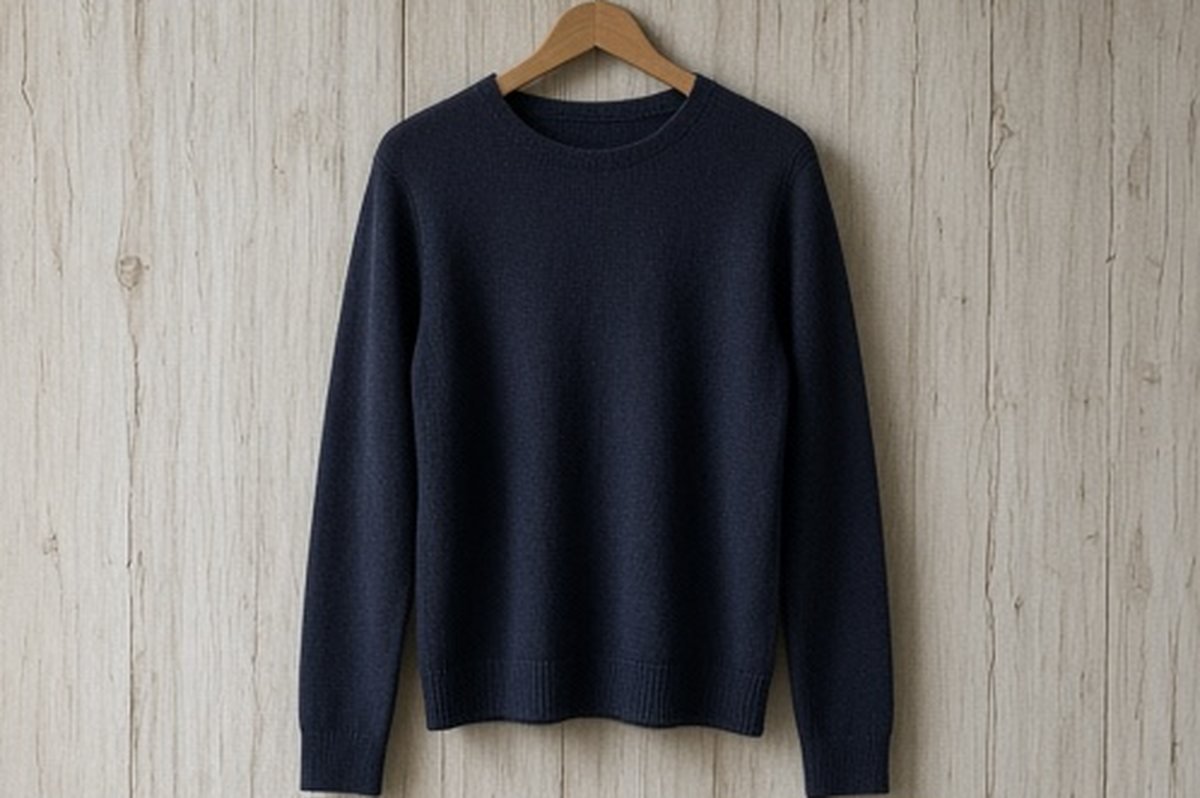
Include visible straps and other details
Try the intended underwear or base arrangement where practical. Decide what visibility you are comfortable with rather than assuming a neckline category guarantees concealment. A deeper or wider opening may interact differently with the pieces you already use.
Do not add an unplanned underlayer automatically to rescue a tee you hoped to wear simply. It may be a perfectly good combination if you genuinely want it, but it adds another garment to the care and dressing routine. Keep that consequence in the decision instead of counting the tee as an effortless one-piece solution.
Read care and composition separately
Check the exact fibre information and label for the selected product. A merino name does not identify every percentage or cleaning requirement. Do not transfer the routine from an older tee, another neckline or a different item in the brand's range without confirming it applies.
Plan availability through ordinary use and care rather than a slogan-derived wear schedule. Your comfort and the garment's actual condition still matter. A neckline that works with many outfits only adds practical versatility when the tee can be maintained with the facilities and time you actually have.
Choose from the repeated combinations
Write down which neckline works with the layers you use most, including the version worn alone if that matters. Keep the note specific to the actual garments. A successful result does not need to prove one shape superior in every wardrobe.
The best basic is often the one that quietly disappears into ordinary use: comfortable, compatible and easy to choose. Comparing crew and V-neck through your existing layers makes that usefulness visible before you add another item. It also leaves room for the simplest answer, which may be a tee already in your drawer.