
By Sarah J. · November 18, 2025
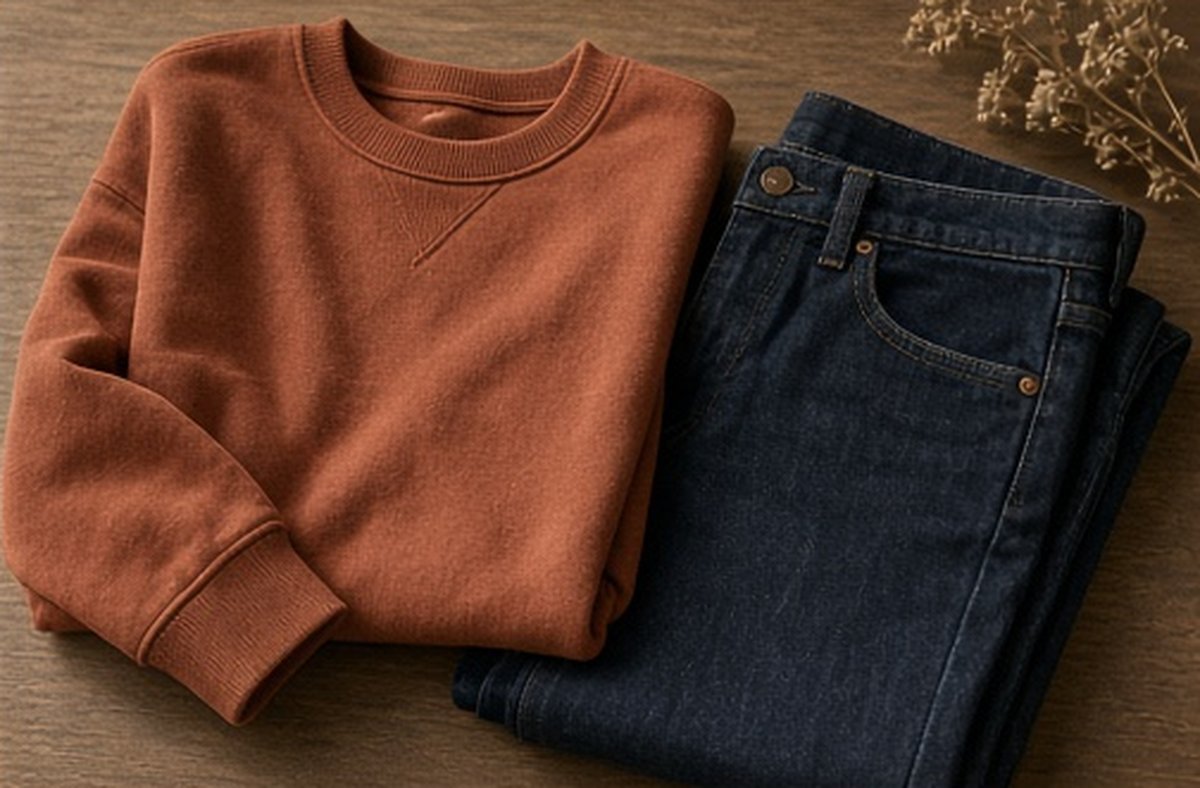
Per the brand, Etiko describes a commitment to living wages across its supply chain. Read that claim alongside the exact winter basic you need: sourcing information does not establish the garment’s fit, warmth or care requirements. A useful decision keeps the values story and the practical clothing brief connected without treating them as the same evidence.
Key takeaways
- Keep the living-wage statement attributed to the brand.
- Read the actual garment information separately.
- Test the complete winter layering plan.
- Do not invent certification or performance claims.
What does Etiko say about living wages?
Per the brand, Etiko states that people in its supply chain, from cotton farmers to garment makers, are paid a living wage. Its site also presents clothing, footwear and underwear as distinct shopping categories. These are the brand’s own statements and categories, not an independent assessment made here or a guarantee that every item has identical materials and construction.
Keep the attribution attached when making a note or comparing options. A careful summary says what the brand states rather than turning an appealing phrase into a new certification. If a particular assurance matters to your purchase, look for the relevant supporting information and ask a specific question. Avoid copying a badge or claim from another retailer and assuming it applies to the Etiko garment you are considering.
How is a living-wage story different from a product specification?
A sourcing statement concerns people and production; a garment specification describes the individual item. Neither replaces the other. A brand can explain its labour approach without that paragraph telling you the dimensions of a T-shirt, the composition of an underlayer or how a particular piece should be cleaned. Read both levels instead of expecting one broad ethical description to answer every practical question.
The same distinction applies to a certification name. Do not infer a specific scheme from words such as ethical or responsible, or transfer a statement between unrelated products. Ask what the claim covers, where the information appears and whether it is attached to the exact item. An unanswered question should remain visible rather than being filled with an assumption that makes the comparison look more complete than the evidence allows.
What item-specific information should you read before choosing a winter basic?
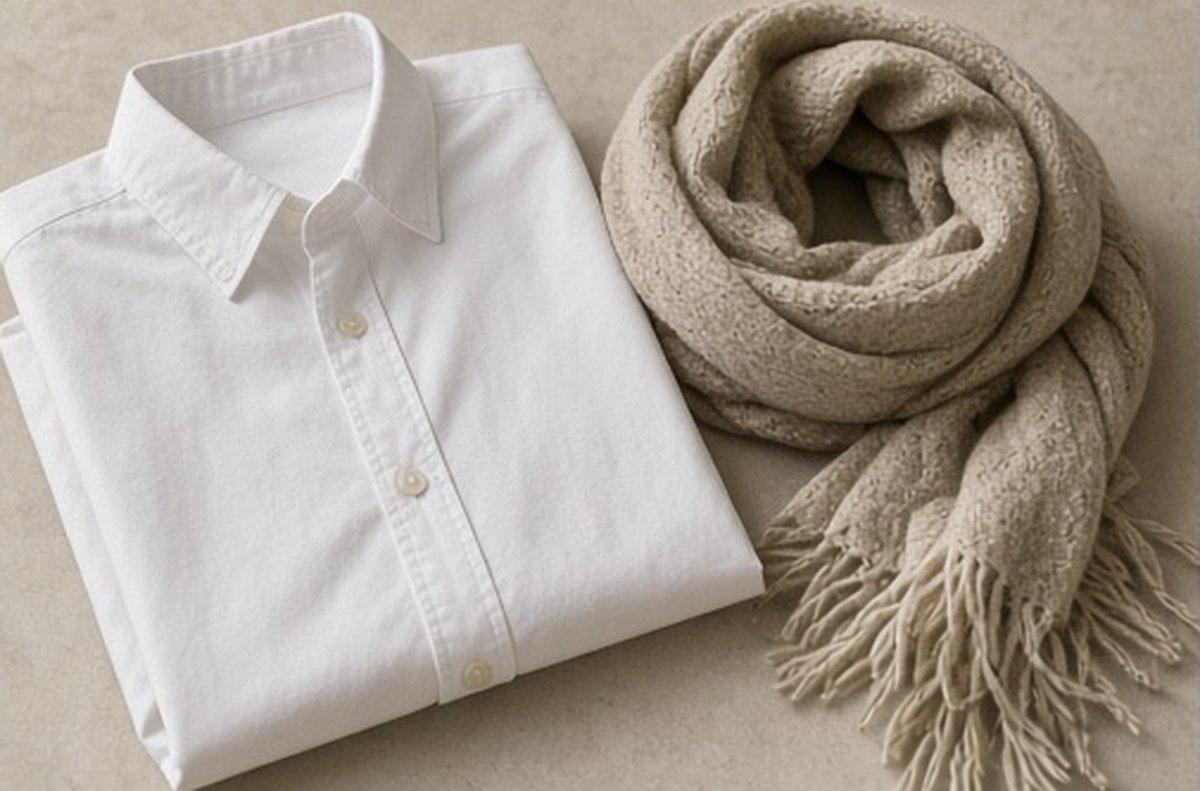
Start with the intended job: an underlayer beneath a shirt, a visible indoor top or a replacement for a worn everyday piece. Then read the exact composition, measurements, construction and care instructions. A category name does not establish every detail. A T-shirt described as unisex, for example, still needs a fit check against the proportions and ease you prefer rather than a size label borrowed from another garment.
Keep item-specific information with the comparison you are making. Do not combine one product’s measurements with another product’s fabric description because both photographs look similar. If the listing leaves a relevant point unclear, ask before ordering. A clear question about sleeve length or the measurement method is more actionable than a request for a general promise that the garment will be comfortable for every wearer.
How do you build a realistic winter layering plan?
Choose the actual shirt, knit and outer layer that would sit with the basic. A lightweight top can be part of a winter outfit without independently supplying all the warmth or weather protection. Try a familiar comparable item through the complete arrangement so you know where the neckline, cuff and hem need to sit. Keep the outside journey separate from the conditions in a heated room.
Check seated movement as well as the standing outline. Added fabric can change the room beneath a close shirt or cardigan, and a high neckline may interact with another collar. Do not assume that an ethical sourcing story establishes insulation, water resistance or a particular drying speed. Use appropriate clothing for the actual weather and let the garment’s stated function define what you can reasonably expect from it.
Which fit comparisons make a plain basic easier to assess?
Use a garment you already like for the same job and compare measurements taken in a compatible way. Keep garment dimensions separate from body measurements and record the units. A favourite top used as a visible layer may not be the right reference for something intended to sit beneath a fitted shirt. Name the role before deciding which existing piece offers a useful comparison.
Avoid choosing a larger size automatically to obtain one extra dimension. More body width may also change shoulder placement or length, so consider the whole construction and ask about uncertain fit information. Equally, do not expect wear to create the exact room missing from a close garment. A practical basic should suit the intended outfit without relying on an unpromised alteration or an uncomfortable period of trying to make it work.
What care questions belong in the purchase decision?
Read the care instructions before counting the garment as an easy replacement. Consider whether your usual washing and drying arrangements can follow them. Do not assign a cleaning schedule from the brand story or fibre name alone. The actual condition, construction and instructions matter, and two items from one company may still need different treatment despite sharing a place in your wardrobe.
If a basic is intended for travel or a winter commute, think about when it will need attention and what happens while it is unavailable. Avoid promising overnight drying or an unlimited number of wears. A suitable existing alternative can be part of the plan. The aim is not to prove that one new item can replace everything, but to understand whether it makes the real routine simpler without creating an unresolved care task.
How should you compare Etiko with another option you already own?
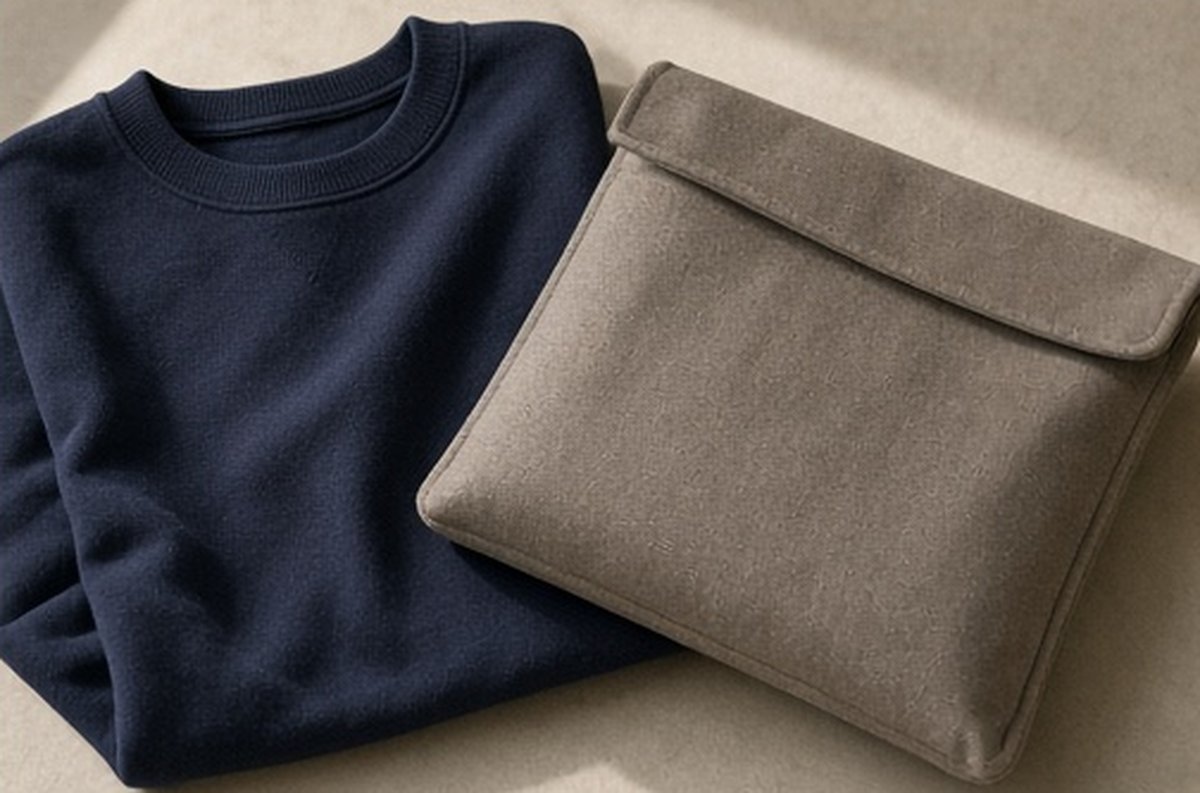
Make a short comparison with separate lines for function, fit, care and the sourcing information you value. Begin with the existing item rather than assuming a new purchase is required. If it remains suitable, the strongest decision may be to keep using it and return to the shopping question when a genuine replacement need appears. Supporting an independent brand does not require buying a basic without a job.
If the purchase remains useful, keep the conclusion proportionate: the item appears to meet your stated brief, subject to the information and applicable purchase conditions you have checked. Do not turn that into an independent guarantee about every production stage or a quantified environmental saving. An attributed living-wage story and a sound practical fit can support one considered choice without carrying claims the brand or garment information has not established.
Which practical check fits the situation?
| Situation | Practical check |
|---|---|
| Labour and sourcing | Read and attribute the brand’s actual statement. |
| Fit and winter use | Check dimensions and the complete layering arrangement. |
| Care and availability | Read the garment instructions and allow a realistic alternative. |
Related reading
- Jungmaven Brand Spotlight: Hemp Clothing and Advocacy
- Etiko Brand Spotlight: Fairtrade Organic Cotton From Australia
- Linen Waistbands Under Winter Knits: Decide What Stays Untucked
Frequently asked questions
No. Labour information and thermal suitability answer different questions. Assess the exact garment, the complete outfit and the conditions in which it will be worn.
Do not assume so. Read the individual composition, measurements and care information rather than transferring details between similar-looking items.
No. Use a certification name only where the relevant product or brand information explicitly supports that claim and its scope.
Not universally. A thinner piece may serve an intended underlayer role within suitable clothing, but that does not establish adequate protection on its own.
Not automatically. Begin with the wardrobe need and what you already own; a considered later replacement can be more practical than an addition without a clear job.