
By Sarah J. · November 20, 2025
A desk shawl should stay comfortable during actual work, not merely look neatly folded over the shoulders. Test its edges, fastening and storage around the keyboard and chair before relying on it as a winter layer, and choose a simpler arrangement if loose fabric needs continual attention.
Key takeaways
- Use the real desk.
- Check moving ends.
- Respect shared surfaces.
Test ordinary reach
Arrange the shawl comfortably, then use the keyboard, notebook or other ordinary work items. Notice whether the ends move into the task area or whether you repeatedly hold the fabric in place. Do not assume a decorative fastening is intended to support the arrangement.
Keep shared space clear
Choose a suitable off-body location that does not claim someone else's chair or equipment. Follow the item's handling guidance rather than treating every hook as appropriate. A small fold is only useful if the surface and space are genuinely available.
Prefer a repeatable version
If the shawl needs constant adjustment, try another familiar layer for this task. It can remain useful for a different setting. There is no need to add accessories or an unfamiliar technique simply to make one piece perform every indoor role.
How do you test a desk shawl in a real workspace?
Put the shawl on over the layer you normally wear and sit in the actual chair. Let the fabric settle without holding it in place for a photograph. Reach toward the keyboard and the objects used most often, noticing whether an edge moves into the working area. A comfortable still arrangement may change as soon as both arms are occupied.
Keep the workspace appropriate to your needs and follow relevant workplace guidance. This clothing check is not ergonomic or medical advice. If the setup itself causes persistent discomfort, do not expect a shawl to correct it. Separate the practical fabric interaction from the desk arrangement so that an ordinary clothing decision does not become a substitute for addressing a different problem.
Should a shawl be folded tightly to keep it in place?
Use a fold that the particular fabric can accommodate without uncomfortable pressure or persistent slipping. More folds create more volume and may change where the weight sits. A compact-looking arrangement is not automatically the easiest to wear, especially beneath a collar or when the fabric gathers behind the neck while you sit against the chair.
Try one change at a time and then repeat ordinary movement. If the arrangement only stays in place when you keep one hand on it, consider another existing layer. Avoid forcing the shawl into a narrow shape or adding improvised hardware just to preserve the idea. A cardigan or another familiar option can be more practical for a task that keeps both hands occupied.
How do fringe and loose edges affect desk use?
Look at the actual fringe and edges rather than assuming every shawl has the same finish. Keep loose fabric clear of moving chair parts, heaters and equipment. Do not deliberately draw fringe across a rough surface to test its strength. If an edge catches during ordinary use, stop and assess the contact instead of pulling against it.
If a decorative finish makes the garment awkward at this desk, another working arrangement may be preferable. Do not trim fringe casually to turn an unsuitable pairing into a suitable one; the finish may be part of the construction. Seek appropriate alteration or repair advice if a permanent change is being considered. A task-specific layer should not depend on a rushed modification made while trying to work.
What should you check around chair arms and the backrest?
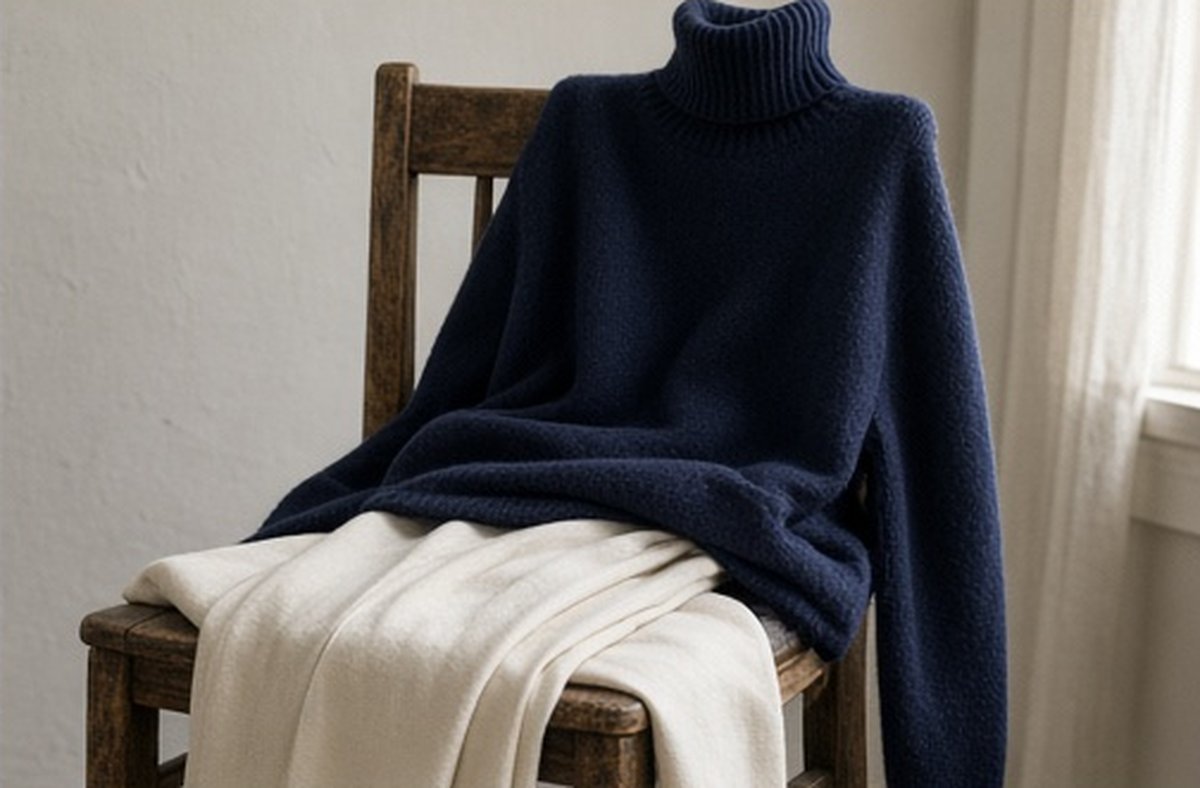
Notice where the fabric falls when your arms rest and when you stand. A long edge can slip beside the seat even when the shoulders feel secure. Keep it away from wheels and mechanisms, and do not leave it trapped beneath you. The same shawl may behave differently on a dining chair and on an adjustable office chair.
Check the backrest contact without pressing fabric into a tidy display. If the shawl repeatedly bunches or pulls as you move, use that observation to simplify the pairing. There is no universal length that works at every desk. The useful choice depends on the garment, the chair and your ordinary movements, not on whether the accessory is marketed as cosy or suitable for working from home.
Can a pin or clip make the arrangement reliable?
Only use an accessory appropriate to the garment and setting, following its instructions and relevant precautions. A sharp pin can damage delicate material or create an uncomfortable point when seated. A heavy clip can also change how fabric hangs. Do not assume that any object sold as a shawl fastening is suitable for every textile or every person.
Before adding hardware, see whether a different intended fold or another familiar layer solves the issue. If a fastening is wanted, check how it interacts with the base layer and with the chair. The aim is not to hold the fabric immovably but to create a comfortable ordinary arrangement. Persistent adjustment is useful feedback that the setup may not be the right one for this particular task.
Where should the shawl go when you take it off?
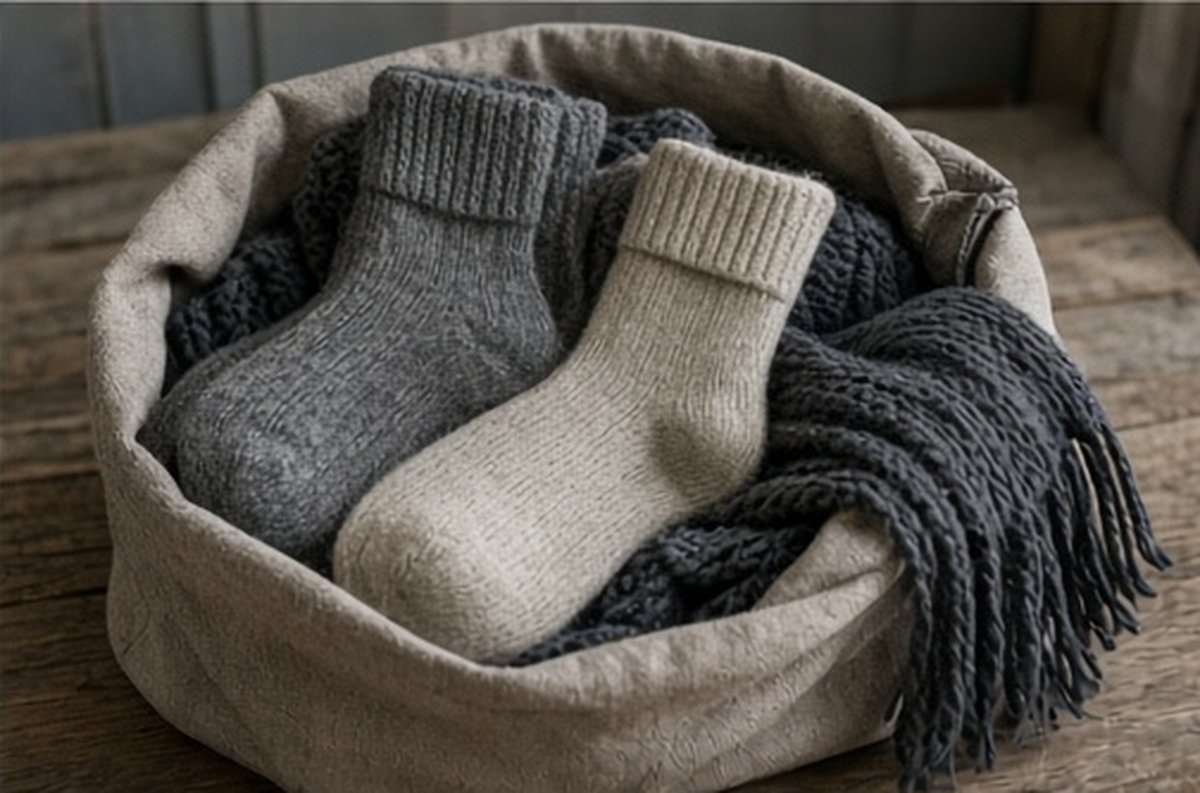
Choose a suitable clean place that supports the garment and keeps it out of the working area. A chair back is not automatically an appropriate storage space, especially where fabric can slide toward wheels or become trapped. Read any garment-specific guidance and keep ready clothing separate from wet outerwear, food and items awaiting a care decision.
Inspect its condition after use and follow the actual care instructions when attention is needed. Do not assign a universal cleaning schedule from the fibre name or from the fact that it was worn indoors. A small known storage place and a clear condition check make the shawl easier to use again. They are more useful than a decorative fold that hides an unresolved task at the end of each day.
The best desk shawl arrangement stays comfortable while you work and leaves a clear, suitable destination for the fabric afterward.
Which practical check fits the situation?
| Situation | Practical check |
|---|---|
| Edges enter the working area | Try a different intended arrangement or a simpler existing layer. |
| Fabric catches by the chair | Stop and keep it clear of mechanisms before continuing. |
| Shawl is removed | Use suitable clean support away from wheels and wet clothing. |
Related reading
- A Winter Cardigan at a Desk: Check Elbows and Keyboard Reach
- How to Choose a Winter Scarf That Actually Stays Put
- How to Choose a Wool Coat for City Winters
Frequently asked questions
Not automatically. First establish whether a comfortable arrangement works and whether any fastening is appropriate for the item.
Only if that is suitable to the setting and your use. Keep shared belongings and personal clothing arrangements clearly agreed.
No. Assess the particular garment and movements. An accessory can add pressure or damage risk rather than solve the interaction.
Not automatically. The space must be appropriate for the garment and its condition, with fabric clear of equipment and soiling.
Not necessarily. A familiar cardigan that works reliably for the task may provide more practical value than an awkward shawl arrangement.