
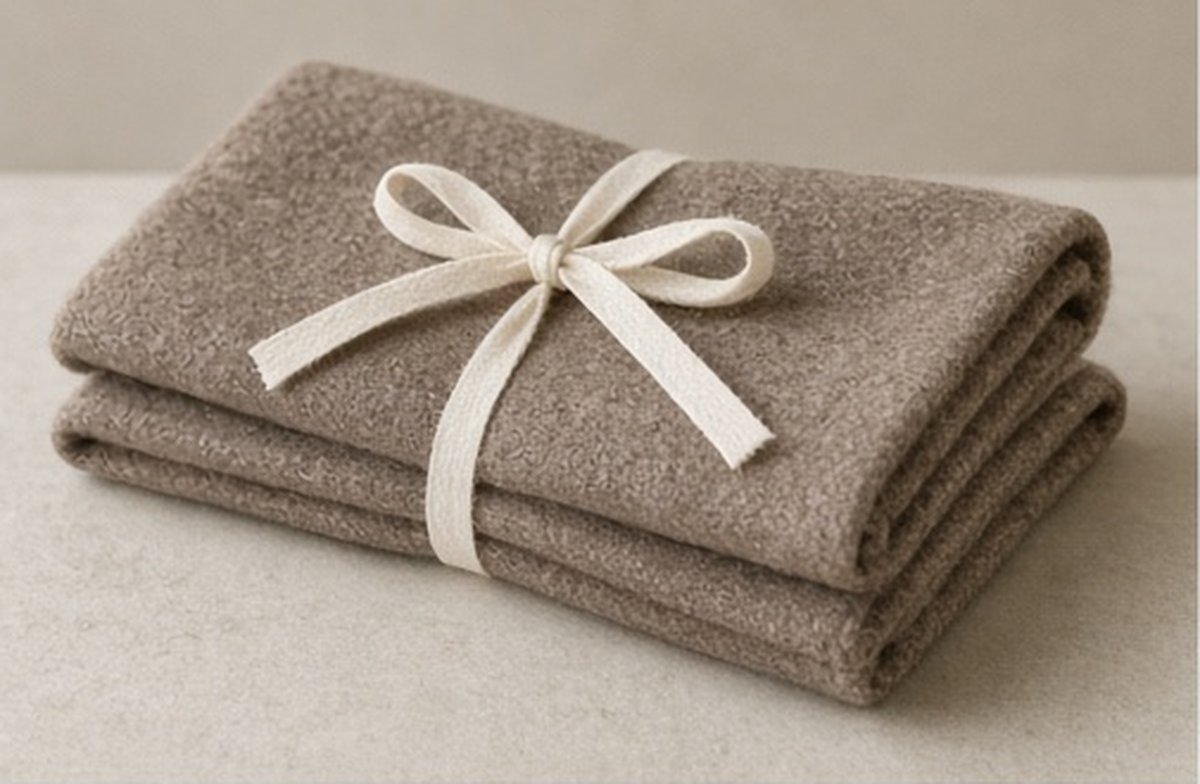
By Sarah J. · November 16, 2025
A useful gift for someone who walks to work starts with their existing kit, route and preferences rather than a ready-made list of walking accessories. Ask which small problem they actually want solved, and keep weather protection, safety and workplace requirements separate from an attractive gift idea.
Key takeaways
- Ask what the recipient already uses.
- Name one real inconvenience.
- Check carrying and workplace constraints.
- Leave room to decline or exchange.
What does someone who walks to work actually need?
Start with a conversation about the routine. Ask whether the walk is the whole commute or one stage between public transport and the workplace, and whether the person changes clothing on arrival. Those details affect what they carry and where it can go. Do not infer a need from the season alone: someone may already have reliable winter layers and no interest in another accessory.
Invite a specific answer rather than an open-ended demand to build a wish list. You might ask what part of getting ready is inconvenient or whether anything in the current kit needs replacement. If the answer is nothing, accept it. A gift does not have to introduce new equipment, and an offer to contribute to something already requested may be more useful than a surprise object.
How do you check the existing kit without reorganising it?
Ask what is already working and which items the recipient likes to repeat. Their bag, shoes, outer layer and storage arrangements form a system even if it does not resemble a curated product photograph. Do not inspect private belongings or rearrange the kit as a surprise. Small pockets and familiar packing positions may preserve practical information that is not obvious to someone else.
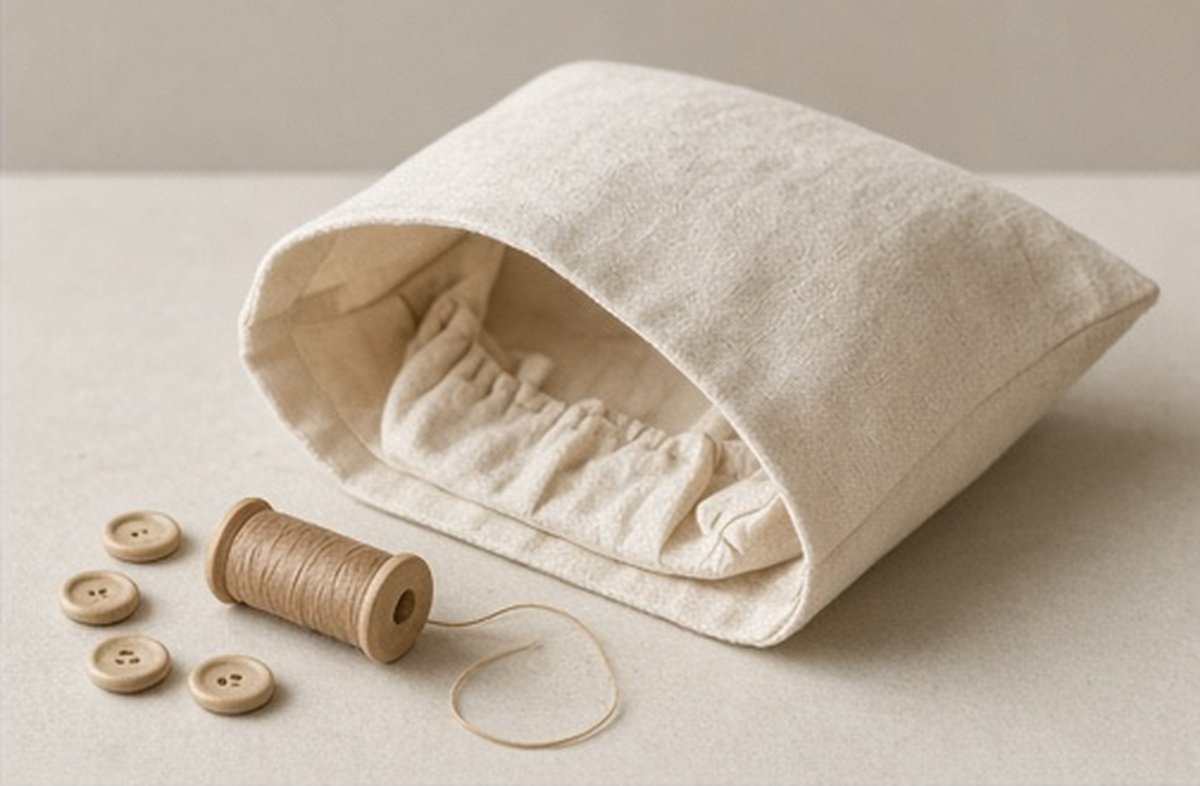
If a replacement is wanted, record the actual job before shopping. A pouch for dry clothing, for example, is different from something intended to contain wet items. Do not promise waterproofing, visibility or protective performance from a product’s appearance. Check the maker’s stated intended use and limitations, and let the recipient’s real requirement determine which information matters rather than choosing a feature because it sounds impressive.
Which commute details change a gift choice?
Consider carrying space, the opportunity to remove layers and the conditions at each end of the route. A large scarf might be welcome outdoors yet difficult to store in a small bag or shared workplace. A spare top may be useful only if there is an appropriate place to change and keep it. Ask about those constraints before assuming that more capacity or more warmth is automatically helpful.
Avoid treating ordinary clothing gifts as safety equipment. Where the route or workplace has specific requirements, the recipient should choose appropriate compliant equipment using relevant guidance. A decorative accessory is not a substitute for that decision. Similarly, a garment described as natural or technical does not establish suitability for every weather condition or a guarantee that it will remain comfortable throughout a long walk.
How do you choose a textile gift without guessing fit?
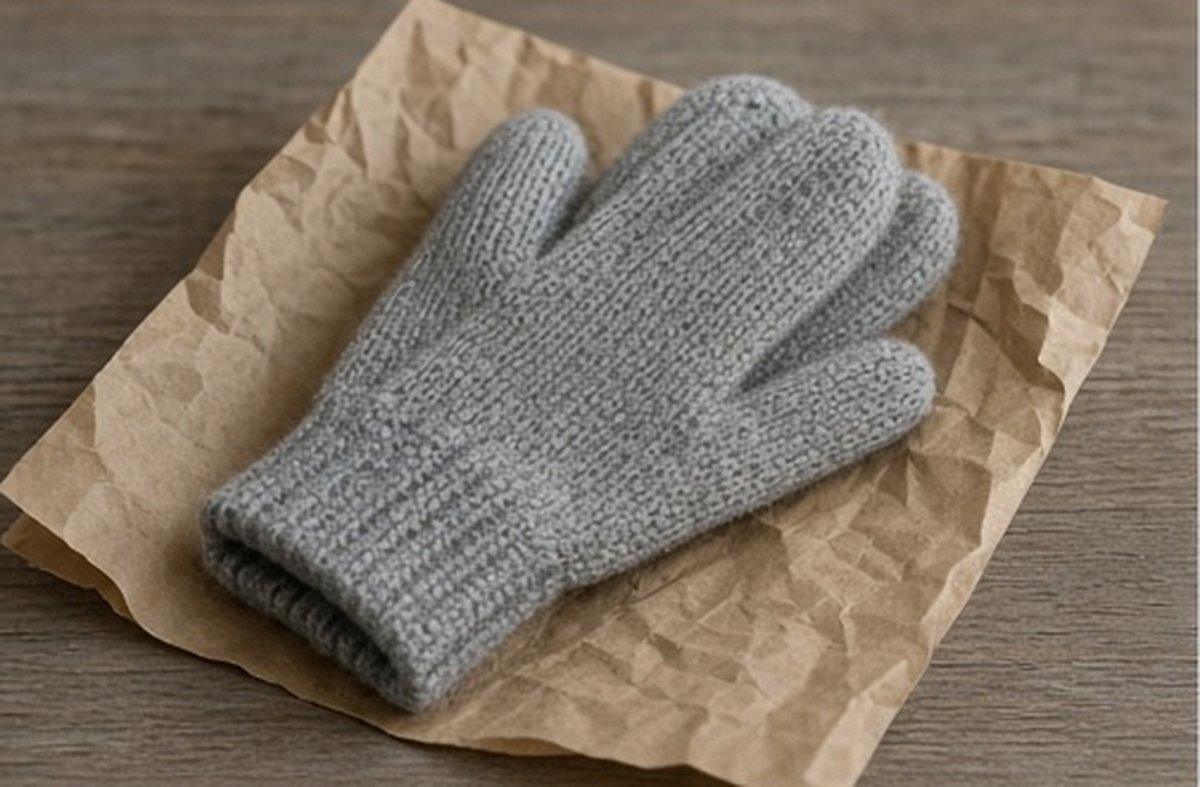
Ask whether a clothing gift is wanted and how the recipient prefers to handle sizing. An accessory can avoid some dimensions but still has fit, texture and care requirements. A hat must work with the person’s headwear preferences and other equipment; gloves need comfortable function, not simply a generous-looking outline. Do not label either a universally safe choice because it lacks a familiar dress-size number.
For an agreed garment, use the exact item’s information rather than transferring a size from another brand. Keep personalised details until the fit is settled. If the recipient does not want to share measurements or choose clothing as a gift, respect that boundary. A suitable non-clothing option or a contribution to an existing purchase can preserve choice without turning a present into an awkward assessment of someone’s body.
What should you check about care and storage?
A practical gift adds value only if its ongoing care fits the recipient’s routine. Read the specific instructions and ask whether the person wants an item requiring that attention. Do not promise that a fibre needs no cleaning or that it will dry overnight after a wet journey. The actual garment, the conditions and the available care space determine what is realistic.
Think about what happens after arrival. Is there a suitable hook, shelf or bag compartment, and can the item remain separate from wet outerwear? A new storage product is not necessarily the answer; it may consume the same limited space it claims to organise. Ask before buying a second pouch or carrier when the recipient already has a system that works for the walk and the workplace.
How would the same gift change for two different routines?
Imagine one recipient who walks directly to a workplace with a private storage area and another who combines walking with crowded transport and has no spare shelf. The same extra textile could have very different practical value. Ask about the arrangement rather than treating both people as members of one walking-gift category.
For the first person, an agreed replacement item may have a known home on arrival. For the second, even a compact present may compete with documents or other essentials in the bag. Neither routine is better, and neither calls for a surprise reorganisation. Let this comparison sharpen your question: where would the gift go during the parts of the day when it is not being used? A clear answer is more useful than a general promise that every commuter needs it.
How can you make the present easy to accept or decline?
Keep the purchase and personalisation decisions reversible wherever possible, following the seller’s actual conditions. Include useful care and item information without presenting a long lecture about sustainable habits. If the gift is intended to replace a worn favourite, make sure the replacement is genuinely wanted rather than discarding the original or assuming the recipient has stopped using it.
Consider offering the idea first and letting the recipient choose the details. That does not make the gift less thoughtful: it gives the person who carries it every day the final say. A well-chosen present supports an existing walking commute instead of prescribing a new identity as an outdoor enthusiast. The clearest success is a small inconvenience removed, not a fuller bag or a more elaborate kit.
Which practical check fits the situation?
| Situation | Practical check |
|---|---|
| Recipient already has a reliable item | Ask whether a replacement is wanted before duplicating it. |
| Gift needs protective performance | Check explicit product information and relevant guidance. |
| Carrying space is limited | Confirm usable dimensions and storage before purchase. |
Related reading
- Remade Clothing Brands: How Rebuilds From Existing Fabric Work
- Sustainable November Dinner Host Gifts That Skip Another Candle
- Sustainable Bonfire Night Host Gifts That Skip Plastic Clutter
Frequently asked questions
Not necessarily. If wanted and suitable for the recipient, it can preserve choice over fit and function without creating an unwanted garment.
Not automatically. Fit, texture, function and care still vary; ask about the person’s preferences rather than relying on the label.
Only if that solves a problem the recipient has identified. More capacity can also mean more bulk and a different carrying experience.
Do not assume so. Relevant requirements and authoritative guidance should lead any protective-equipment decision.
Respect that. Choose another agreed gesture rather than treating a practical gift as a reason to change their working routine.