
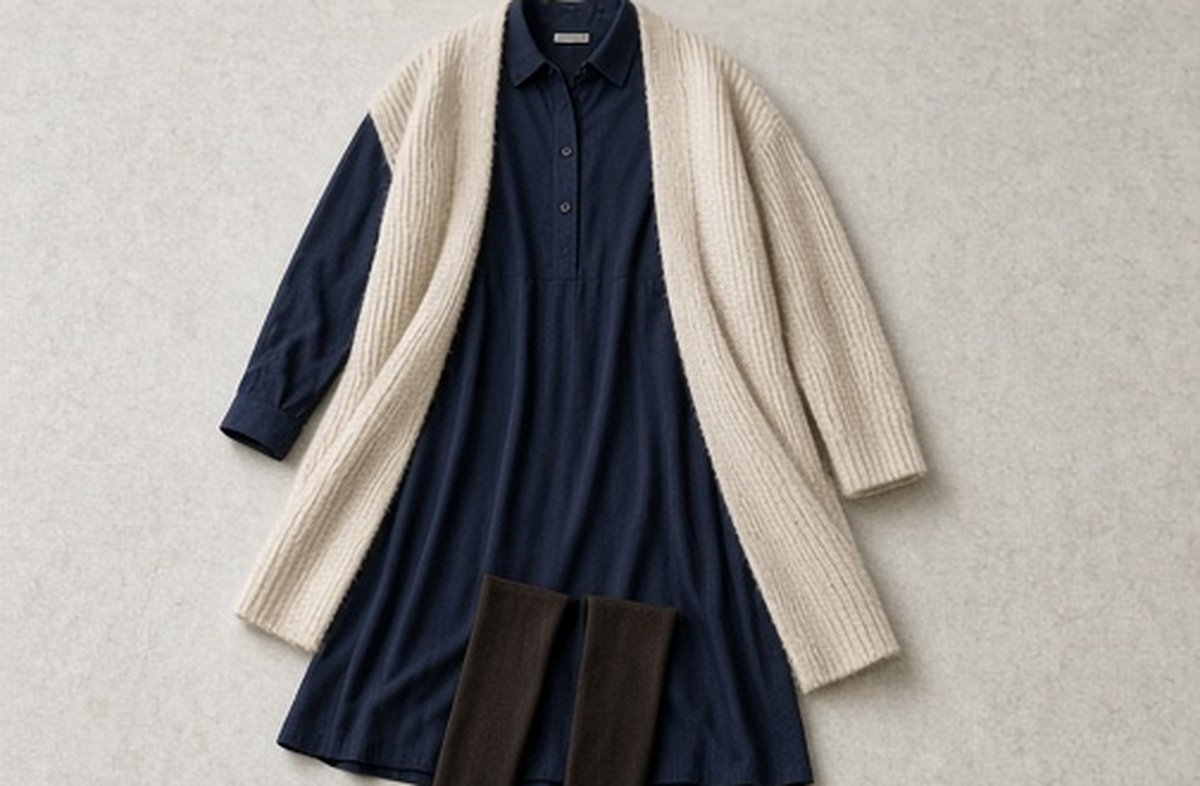
By Sarah J. · December 25, 2025
A guest blanket is not automatic permission to use the bed as clothing storage. Ask the host about suitable space, keep ready clothes distinct from items needing attention, and leave household textiles out of an unagreed routine that makes the next person guess what happened during the stay.
Key takeaways
- Ask rather than assume.
- Separate clothing states.
- Check the room before leaving.
Ask about the available space
Establish where ready clothes, removed layers and items needing care can appropriately go. Do not claim a chair, bed or blanket that someone else needs. A small shared room works better when the arrangement is explicit rather than guessed.
Keep condition visible
Dry clothing ready to wear again is different from a damp or soiled garment. Follow the actual care needs and avoid hiding a problem in a neat fold. A guest textile should not become an unagreed buffer between uncertain clothing and the room.
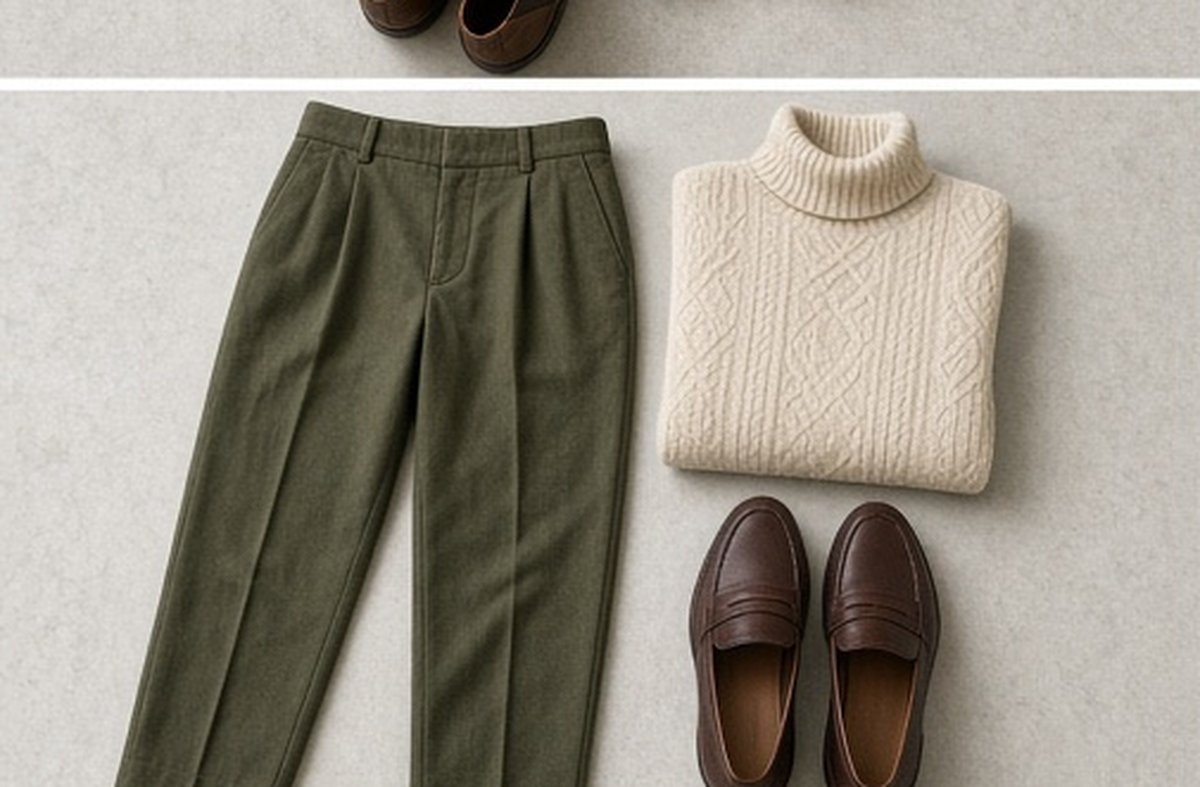
Reset before departure
Check the agreed storage places and collect your own components separately from household items. Tell the host if something relevant needs attention rather than leaving them to infer the history. The aim is an uncomplicated handover of the space, not a perfectly concealed clothing pile.
Why should a guest blanket stay separate from clothing storage?
A visible surface can look available while still having a purpose for the household. The blanket may be needed later, and the bed or chair may not be free storage space. Ask rather than treating an apparently spare textile as a protective layer for every removed garment. The arrangement should suit both the clothing and the people using the room, not simply keep your bag looking organised.
Keep permission and physical suitability as two separate questions. Even a clean garment does not establish that the host wants it on a particular blanket, and permission to use a place does not automatically make it suitable for damp or soiled clothing. A respectful practical plan names where things can go and what condition they are in instead of making a household textile absorb uncertainty on your behalf.
What should you ask when space is limited?
Ask where ready clothing, removed layers and items needing care can appropriately go. Keep the request small and specific rather than asking for unrestricted use of a room. The host may suggest an existing suitable place or explain which areas are needed. Do not open private storage or move household belongings to create your preferred layout without agreement. A guest arrangement is shared information, not a private organising project.
If the suggested place does not suit a particular item’s handling needs, explain the practical issue and ask about an alternative. You do not need to demand a complete storage system. An appropriate part of your own bag may work where its contents and position are suitable. Keep the solution realistic for the visit rather than assuming that every stay requires a new organiser or access to additional furniture.
How do you distinguish ready clothes from items needing attention?
Assess the actual garment and its care guidance rather than using the neatness of a fold as the test. A layer that remains ready for another appropriate use is different from one that is damp, soiled or waiting for an unresolved care decision. Keep those states clear in your arrangement. Do not place every removed item on the same guest blanket and expect the surrounding textiles to make the distinction irrelevant.
Use suitable separation based on the items and available space. A container is not itself a treatment, and closing a bag does not establish that its contents are ready. If care is needed, ask how to handle the item appropriately until you can address it. Avoid transferring the task to the host by leaving clothing or marks with no explanation and assuming they will infer what needs attention.
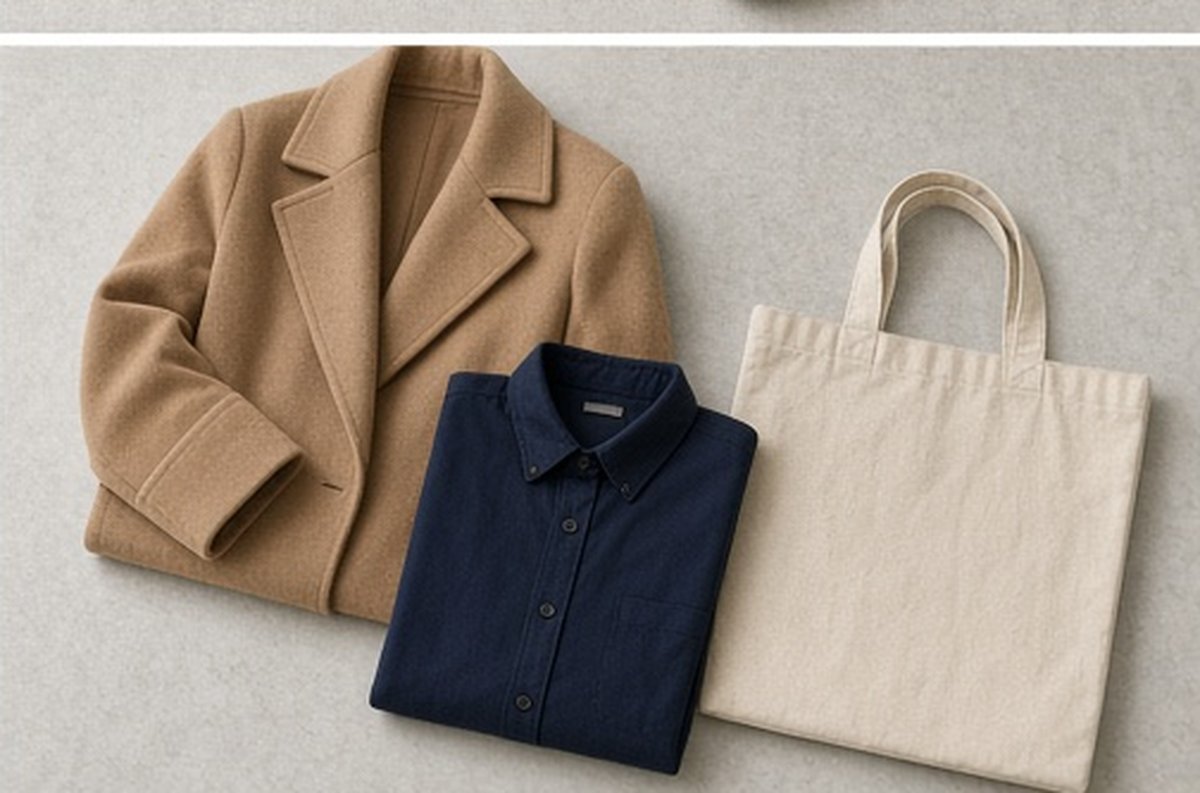
Can your own bag be a useful alternative surface?
It can provide an appropriate place where its condition, contents and capacity suit the garment, but check those details first. A bag used for wet shoes, rough objects or other incompatible belongings is not automatically suitable because you own it. Keep the relevant clothing guidance in view and avoid forcing layers into an overfull compartment just to clear the room. The solution should work physically as well as socially.
Choose a position for the bag that respects the agreed space and ordinary movement. Do not move it onto the blanket whenever you need to open it unless that use is both appropriate and agreed. Think through access before scattering contents across the bed. A small deliberate packing arrangement can keep the room usable without making the host’s textiles part of every stage of dressing and repacking.
What should you do if something affects a household textile?
Tell the host what is actually known and ask about the appropriate next step. Do not hide the issue beneath a neater fold or invent a reassuring explanation about the material. Keep guesses separate from observed events. The owner may have specific information about the textile and its care that you do not have, so an improvised treatment is not automatically a considerate way to avoid bothering them.
Offer to help through an agreed suitable route rather than starting a process without permission. Do not assume your routine for clothing applies to the blanket or other household item. The practical aim is a clear handover of information and responsibility, not a perfectly concealed sign that anything happened. Honest context gives the host a better starting point than discovering an unexplained issue after the guest has gone.
What belongs in the departure reset?
Collect your own clothing and accessories from the agreed places, checking any deliberate later moves. Keep personal items separate from the household’s belongings rather than sweeping everything near the bag into it. Ask about the desired arrangement of the room where appropriate, and do not rearrange textiles simply to create a photographic impression of tidiness. A useful reset leaves ownership and any relevant condition clear.
When unpacking at home, assess clothing according to its actual state and instructions before returning it to the ready wardrobe. Review whether the guest arrangement worked: perhaps a known bag compartment was enough, or a clearer arrival question would have prevented confusion. Keep that specific lesson for the next visit without making assumptions about another home. Respectful clothing storage depends on agreement and suitable handling, not on a universal rule that every spare blanket is available for guest use.
Respectful guest clothing storage is a practical agreement. Keep the host's textiles out of a routine they did not choose.
Which practical check fits the situation?
| Situation | Practical check |
|---|---|
| At arrival | Ask about suitable available places rather than claiming a surface. |
| During the stay | Keep clothing condition clear and household textiles separate. |
| At departure | Collect personal items and share relevant information honestly. |
Related reading
- Toad&Co: Read the Clothing Mission Beside Your Own Use Brief
- A Clothing Gift Note: Explain Care Without Inventing Green Claims
- MagicLinen: Home Textile Sizes Are Not Clothing Sizes
Frequently asked questions
Do not assume suitability or permission. Choose an arrangement appropriate to both the clothing and the household.
Not automatically. A clear agreed use of suitable existing space may be enough.
No. Ask about the household arrangement and the suitability of the actual surface.
No. Assess its condition, contents and capacity alongside the garment’s handling needs.
Do not improvise. Tell the host what is known and agree an appropriate next step for the actual textile.