
By Sarah J. · November 12, 2025
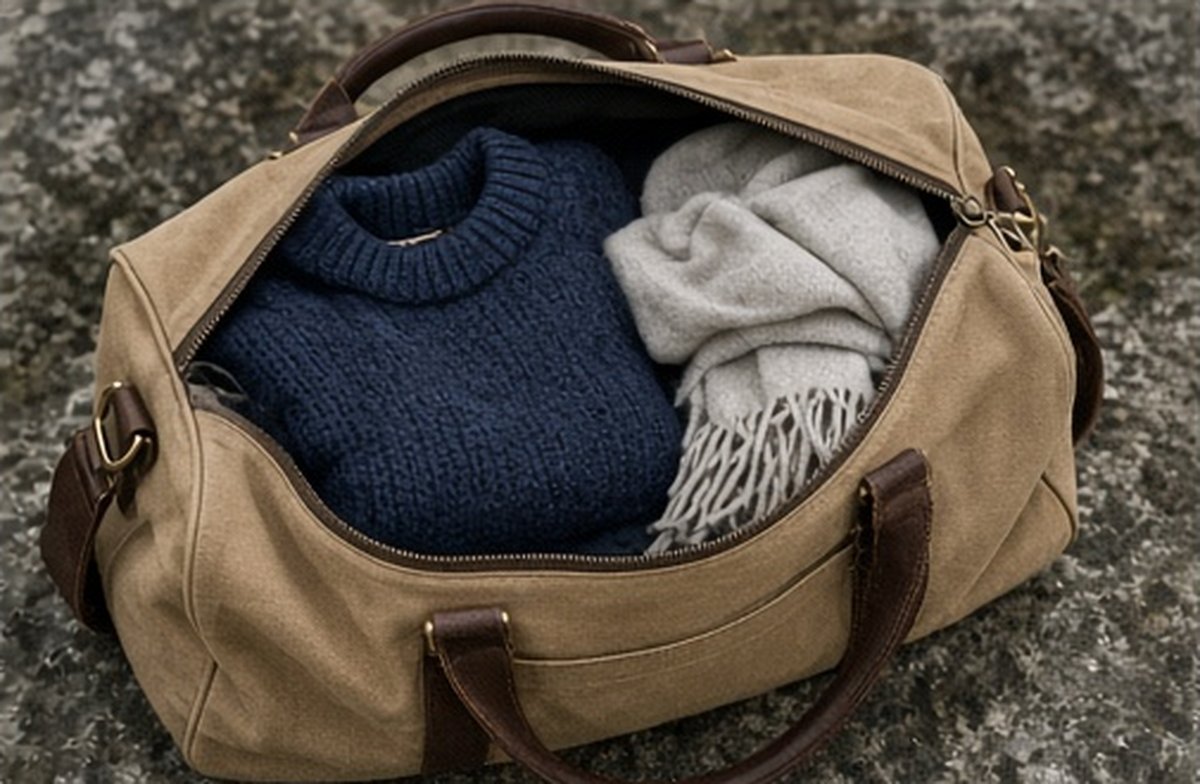
Keep a merino top where you can reach it without opening the whole suitcase, and test that arrangement with the bag you will actually carry. Accessibility, garment condition and appropriate weather protection are separate decisions; no fibre claim settles all three.
Key takeaways
- Choose a ready layer, not a theoretical extra wear.
- Test retrieval from the bag that stays with you.
- Keep indoor comfort and outdoor protection as separate checks.
- Follow the garment-specific care instructions.
How do you keep a merino top accessible at the airport?
A useful airport layer is a garment you can retrieve at the moment you need it. That sounds obvious until a carefully folded top sits under shoes, chargers and the clothing for the final destination. Begin with the sequence of the journey: arrival at the terminal, check-in if needed, security, waiting, boarding and the onward trip. Decide at which stages the layer might reasonably be wanted.
Then identify the bag that will remain with you at those stages. A top packed in checked luggage is not an available waiting-room layer. Even cabin baggage may be stored away from your seat or handled differently according to the carrier. Check the applicable baggage rules and keep essential belongings accessible within those limits rather than treating a packing photograph as a complete travel plan.
What should you check before packing an airport layer?
Choose a familiar garment whose fit and care you understand. Put it on over the intended base layer and add the coat you expect to wear outside. Sit, reach forward and carry the actual bag. A top that feels comfortable alone may become crowded beneath outerwear or awkward around a shirt collar, especially during a long seated period.
Inspect its current condition before counting it as ready. Look for marks, damp areas, loose seams or a care decision left from the last wear. Do not substitute a fixed wear count for that inspection. The word merino describes a fibre, not a guarantee that your particular top needs no attention, will suit every traveller or can remain comfortable indefinitely.
Which bag compartment makes retrieval realistic?
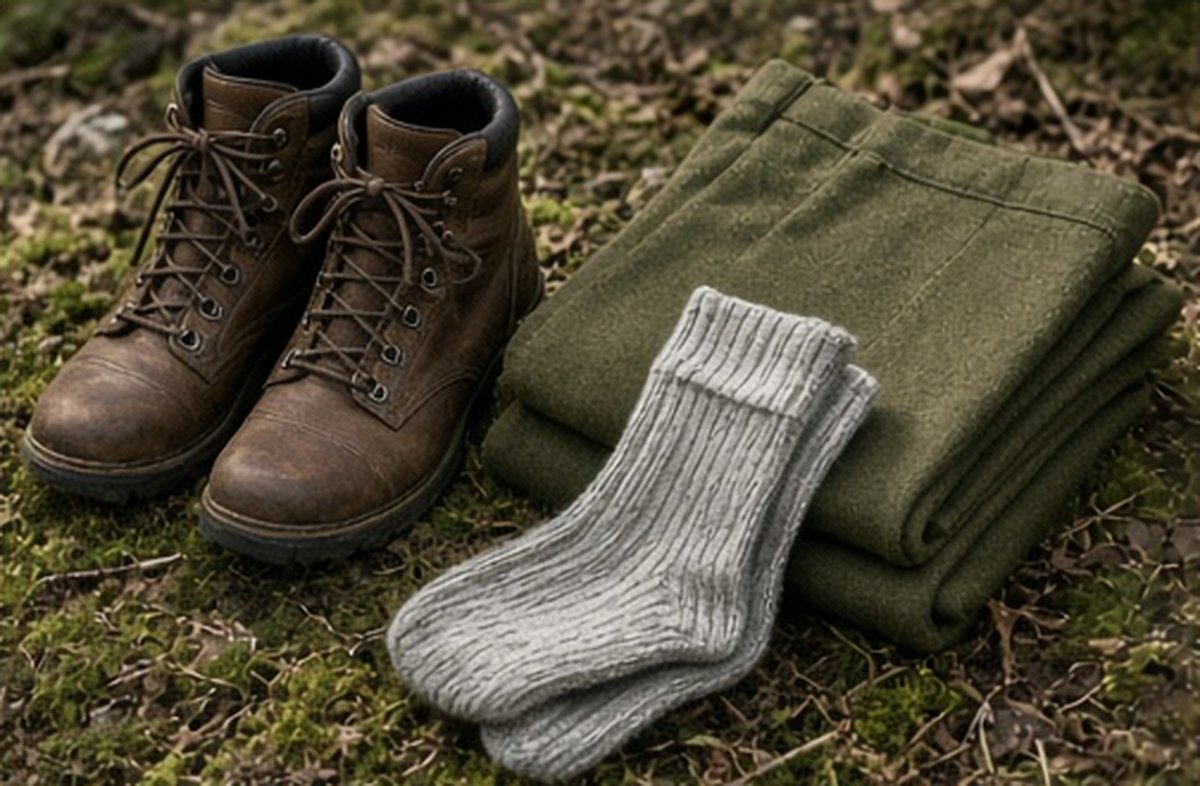
Choose a clean place with enough room to remove the top without spilling other belongings. Try the movement at home with the bag packed as intended. If retrieving the garment requires placing the suitcase contents on the floor, the arrangement needs another look. A suitable pouch may help some bags, but buying an organiser is not automatically necessary.
Keep the clothing separate from items likely to leak or soil it, while following the rules for carrying liquids and other belongings. Do not promise that a thin cloth pouch supplies waterproof protection. Check whether the compartment is also needed for documents or personal essentials so that an optional clothing layer does not make more important belongings difficult to reach.
How should the airport outfit change between indoors and outdoors?
An airport journey can include exposed transport stops and heated indoor spaces. Plan those conditions separately rather than expecting the merino top to do the work of an entire winter outfit. Use suitable outerwear and footwear for the local weather, and keep any personal comfort or accessibility requirements central to the plan.
When removing a layer, choose a safe moment and a suitable place. Do not block an aisle or leave belongings unattended while reorganising clothing. If changing layers is difficult in the available space, a simpler outfit arrangement may be more useful than a theoretically versatile combination that demands frequent adjustments. Follow staff instructions where the setting requires them.
Where should a removed airport layer go?
Give the removed top a known resting place instead of draping it over luggage handles where it may slide or catch. Consider the garment construction before hanging it from a narrow hook. Some pieces need different support, and the care label or maker can help clarify the appropriate approach. Keep clothing clear of wet umbrellas, dirty footwear and food.
Before moving on, retrieve the physical garment rather than trusting that it is still where you last saw it. A quick belongings check is particularly useful after changing seats or using a shared coat area. If the top has become damp or soiled, keep that condition distinct from clothing still ready to wear instead of pushing everything together to make boarding faster.
What is a practical checklist for a long airport wait?
Use this checklist before departure: the top fits over the intended base; the complete outdoor outfit suits the forecast; the garment is currently ready; the carrying bag meets the relevant rules; the chosen compartment opens without unpacking everything; and there is a suitable place for the top after removal. Each point is a physical check, not a promise attached to a fabric name.
If one point fails, adjust the plan at that point. Change the compartment if retrieval is awkward, choose another familiar top if fit is poor, or add appropriate weather protection if the outdoor stages require it. Avoid answering every problem with a new specialist travel purchase. An existing cardigan or other suitable layer may meet the practical brief just as well.
How do you handle care needs during the trip?
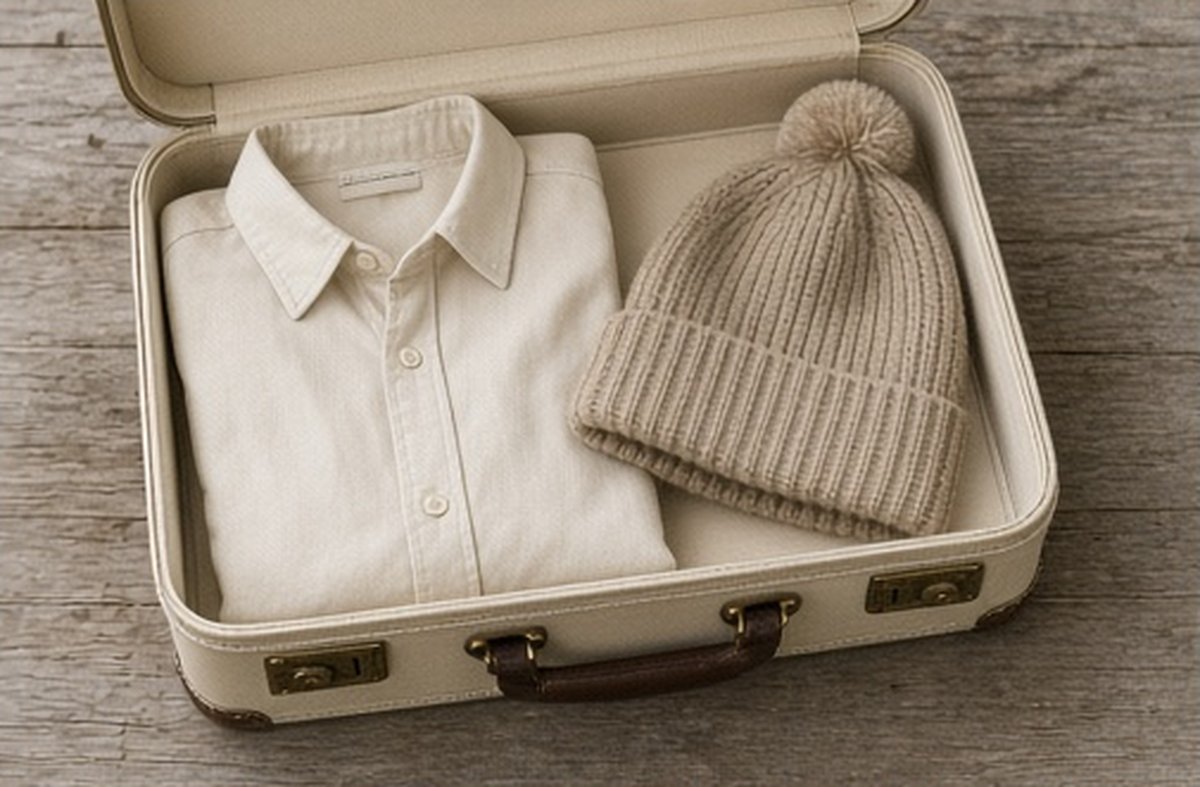
Keep the garment-specific instructions available, particularly if someone else might help with laundry at the destination. Construction, blends and finishes can change the advice that applies. Do not assume an airport merino layer is safe for a shared wash because another wool item was treated that way successfully. When uncertain, ask the maker or a qualified cleaner before acting.
Allow realistic time for any required care and drying. Avoid promising that a washed top will be ready the next morning, especially when the room and drying conditions are unknown. If the garment is not available for the return journey, use a suitable alternative rather than counting a theoretical final wear to preserve an optimistic packing total.
What makes the final packing decision useful?
The strongest choice is the one that fits the actual journey with the fewest unresolved assumptions. Keep a short note of what worked after travelling: whether the top was reached easily, whether the layers felt comfortable together and whether storage stayed manageable. Those observations are more useful for the next trip than the number of garments someone else packed.
A merino top can be a useful part of an airport outfit without being presented as a universal solution. Judge the specific piece, the complete outfit and the available carrying space together. The aim is a ready layer you can retrieve and put away calmly, while leaving room for the weather, transport rules and your own practical needs to lead.
Which practical check fits the situation?
| Situation | Practical check |
|---|---|
| Layer needed before baggage collection | Keep it in an allowed bag that remains accessible. |
| Top removed indoors | Use suitable clean storage and retrieve it before moving. |
| Garment needs care | Keep its condition explicit and use a ready alternative. |
Related reading
- Merino Long-Sleeve Travel Tee: Layer Without Bulk
- Merino Travel Gloves: Liner Warmth Without Bulk
- Merino Travel Beanie: Warm Ears, Tiny Pack Slot
Frequently asked questions
No. Assess the actual conditions and the complete outfit. A fibre name does not establish rain protection, insulation or suitability for exposed waiting.
No. A suitable existing compartment may be enough. Test retrieval with the actual packed bag before buying another accessory.
Not if you expect to use it before collecting that luggage. Check carrier rules and plan around the bag that will remain accessible.
Only where the garment-specific instructions and the proposed care method are compatible. A shared travel bag does not establish a shared safe wash.
Do not use one automatic number. Assess the actual condition, your needs and the garment’s own care information.