
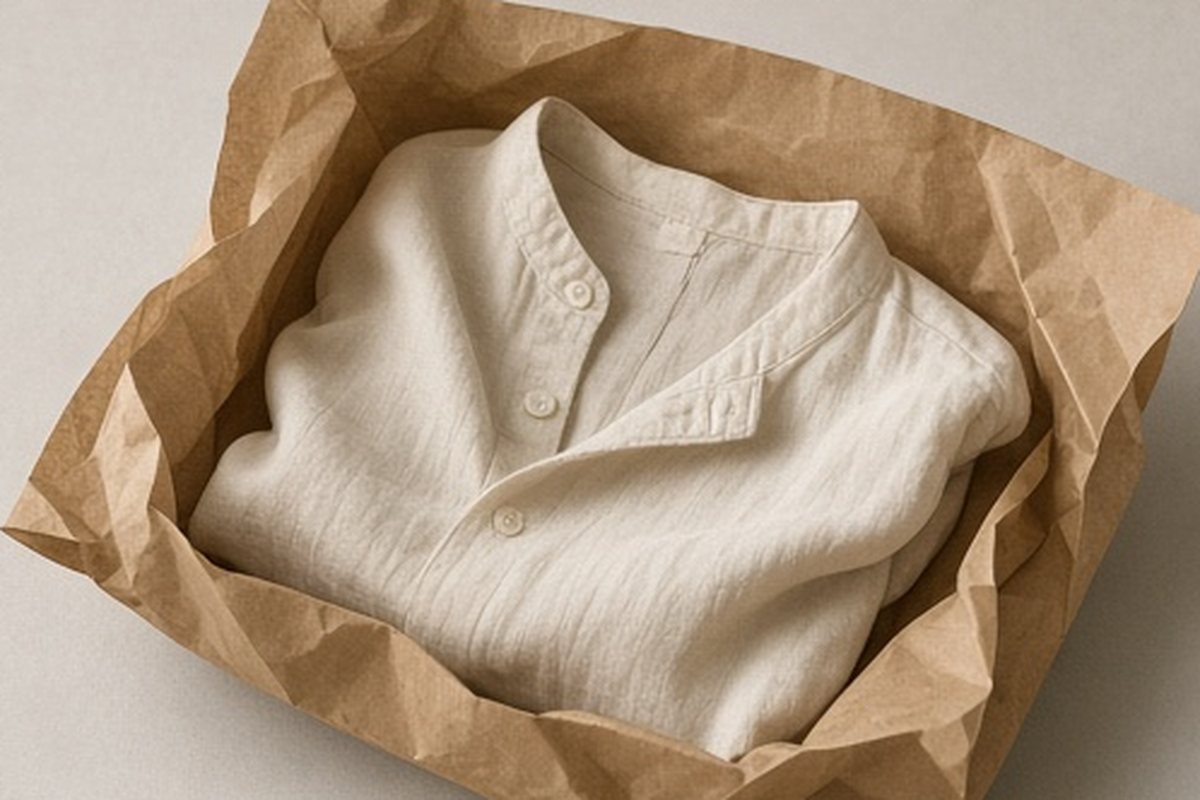
A clothing brand's values can make a gift feel meaningful, but they do not determine whether the recipient wants the garment or can use it comfortably. Keep two questions separate: why the brand interests you and what the actual wearer needs. A thoughtful gift can respect both without asking one to stand in for the other.
Per the brand, Etiko describes a commitment to living wages in its supply chain and presents clothing, footwear and underwear categories. That is the brand's account, not independent verification in this article. It does not establish fit, recipient preference or the order conditions for a particular item.
Ask which kind of gift is welcome
Start with the recipient's own interest. They may want a specific basic, prefer choosing clothing themselves or have no current wardrobe gap. A shared concern about clothing production does not mean they want every product associated with it.
Offer a choice without creating pressure. A shortlist or a clearly agreed brief can preserve the pleasure of giving while reducing uncertainty. Do not treat declining a garment as rejection of the brand's values or your intentions. The gift's purpose is to support the recipient, not test whether they make the same purchasing decisions you would.
Name the actual wardrobe job
If clothing is welcome, define the use before choosing a product. A casual tee, footwear for a particular route and a personal underwear purchase are different decisions with different information needs. A broad interest in useful basics is not yet a complete brief.
Ask which existing pieces work and what, if anything, is missing. Keep the recipient's comfort and care routine in view. You do not need private details beyond what they choose to share. A narrow agreed need is more helpful than guessing a whole outfit from a familiar size label or an image of their style.
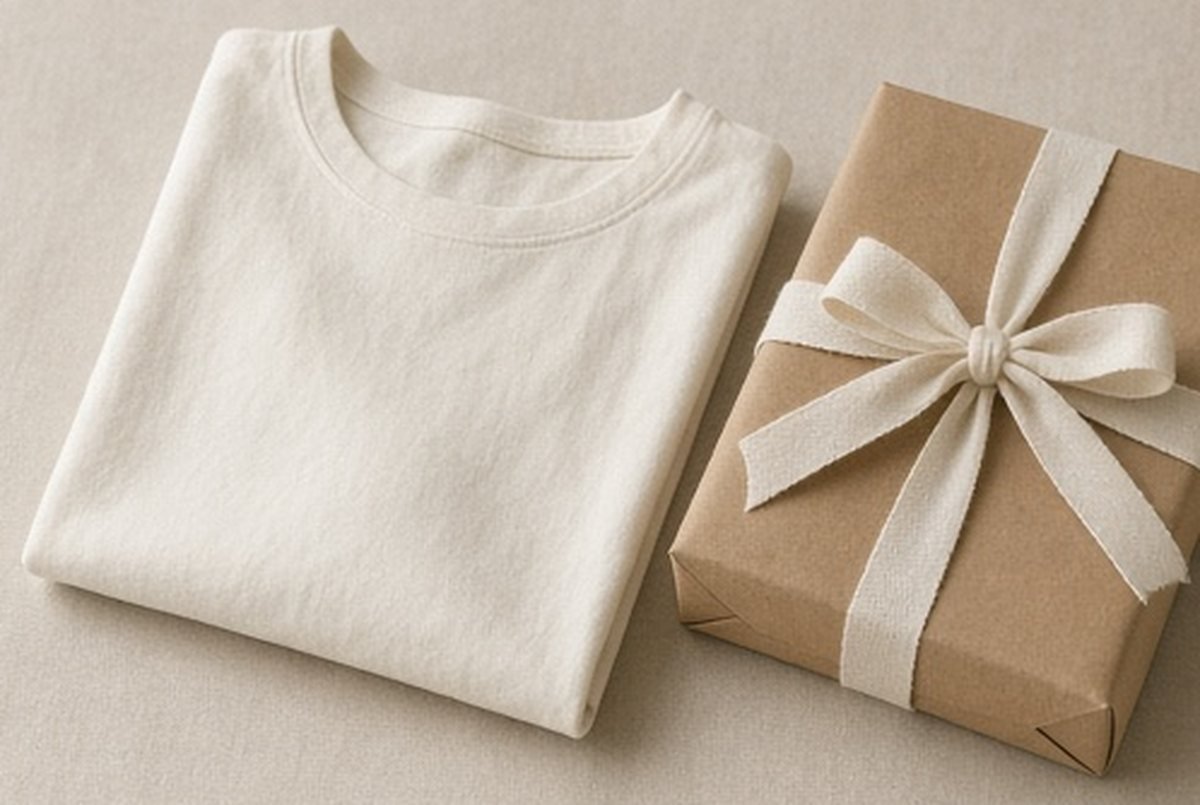
Read the exact product information
Check the selected item's composition, measurements, construction and care. Do not transfer details from another product in the range or assume every category follows the same system. A brand story explains one aspect of the choice; the item listing must supply the garment-specific facts.
If a material or dimension matters and is not clear, ask the seller before committing. Keep unknowns visible rather than filling them with a positive assumption. A gift does not become more considerate because you have confidently guessed what the wearer would have preferred to establish directly.
Make the fit route practical
Use the relevant size guidance and the recipient's own references where they want to participate. Distinguish body and garment measurements, and do not infer footwear fit from a clothing size or one brand's tee dimensions from another's label.
If fit remains uncertain, consider choosing together rather than buying several possibilities. The recipient should not inherit an unplanned project of assessing and returning a large order. A smaller, clearer choice can be more thoughtful than a dramatic parcel whose contents depend on several guesses becoming correct at once.
Check gift and return arrangements directly
Read the current conditions for the exact item and destination. Do not assume a gift receipt is offered, an exchange is available or the recipient can manage the process without order information. Those details need to be established through the actual retailer's guidance.
If the information is unclear, ask an appropriate question before ordering. Agree on who will handle any issue and how relevant information will be shared. Keep unnecessary personal or payment details private. A nominal right to decline is less useful when the practical route is hidden, inconvenient or unavailable to the person receiving the gift.
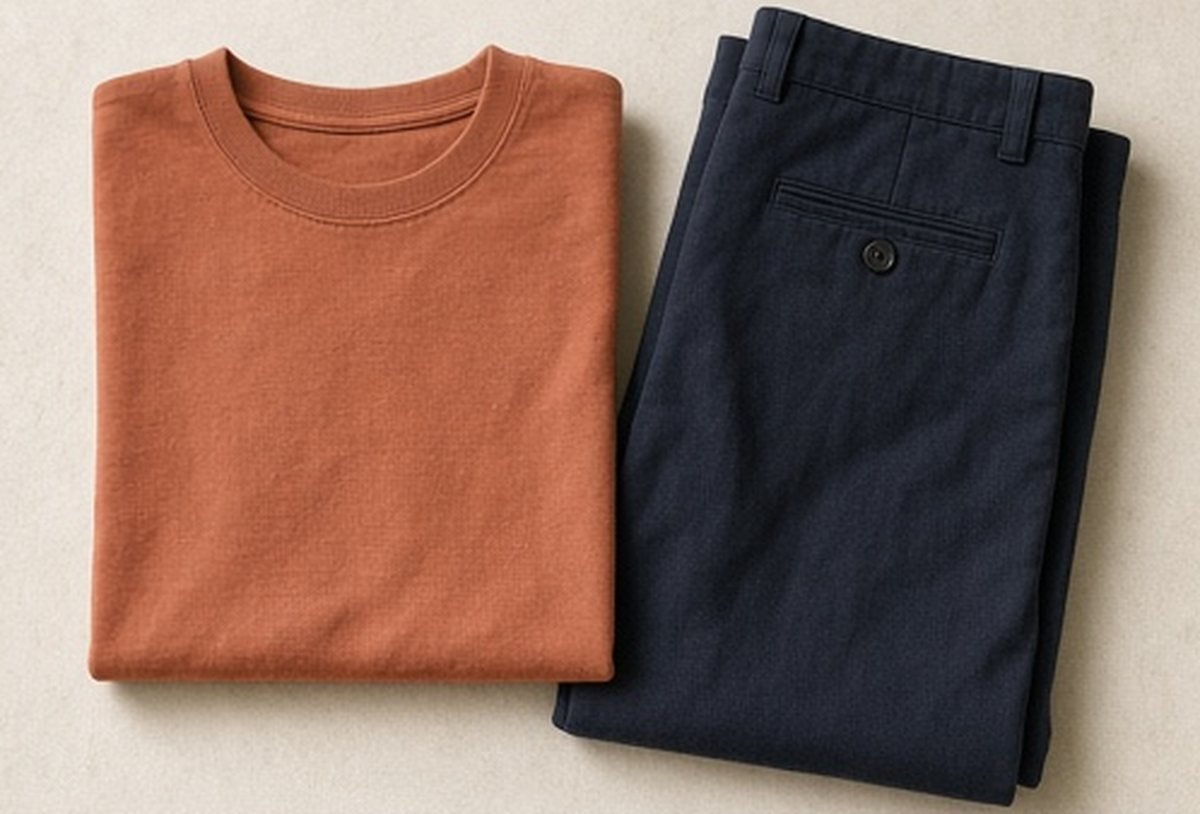
Avoid adding an unwanted care task
Read the garment's own cleaning and drying instructions and consider the recipient's facilities. A product can align with their values and still be a poor match for their routine. Do not assume they will take on unfamiliar care simply because the gift was chosen with good intentions.
Nor should you automatically add a care kit or products to solve that mismatch. Ask what would be useful. Sometimes the best information is the readable label and a clear understanding of the process; sometimes another garment is a better fit. The wearer should not have to justify preferring a more manageable option.
Present the story modestly
You can explain that the brand describes particular labour commitments, while keeping the attribution clear. Do not add invented certification, provenance or environmental savings to make the gift seem more important. The actual garment and the thought behind the choice do not need unsupported claims.
Let the recipient form their own view of the brand. A gift note need not become a lesson about how they should shop. A short explanation of why you considered the option can be enough, especially when they have already participated in choosing the product or defining the brief.
If the recipient prefers choosing later, agree on a practical next step without assuming the retailer offers a particular gift service. The value of that choice lies in the person's real control, not in presenting an unverified voucher, receipt or exchange route as though it were confirmed.
Leave the final choice with the wearer
Give the recipient room to assess the item under the applicable conditions and accept a specific mismatch without argument. If the garment does not work, use the agreed route rather than persuading them to keep it because the values story is appealing.
The successful gift combines care for production with care for the person receiving it. Those concerns support one another when the fit, maintenance and decision process remain practical. A meaningful brand choice can start the conversation, but the wearer decides whether the exact item belongs in their life.