
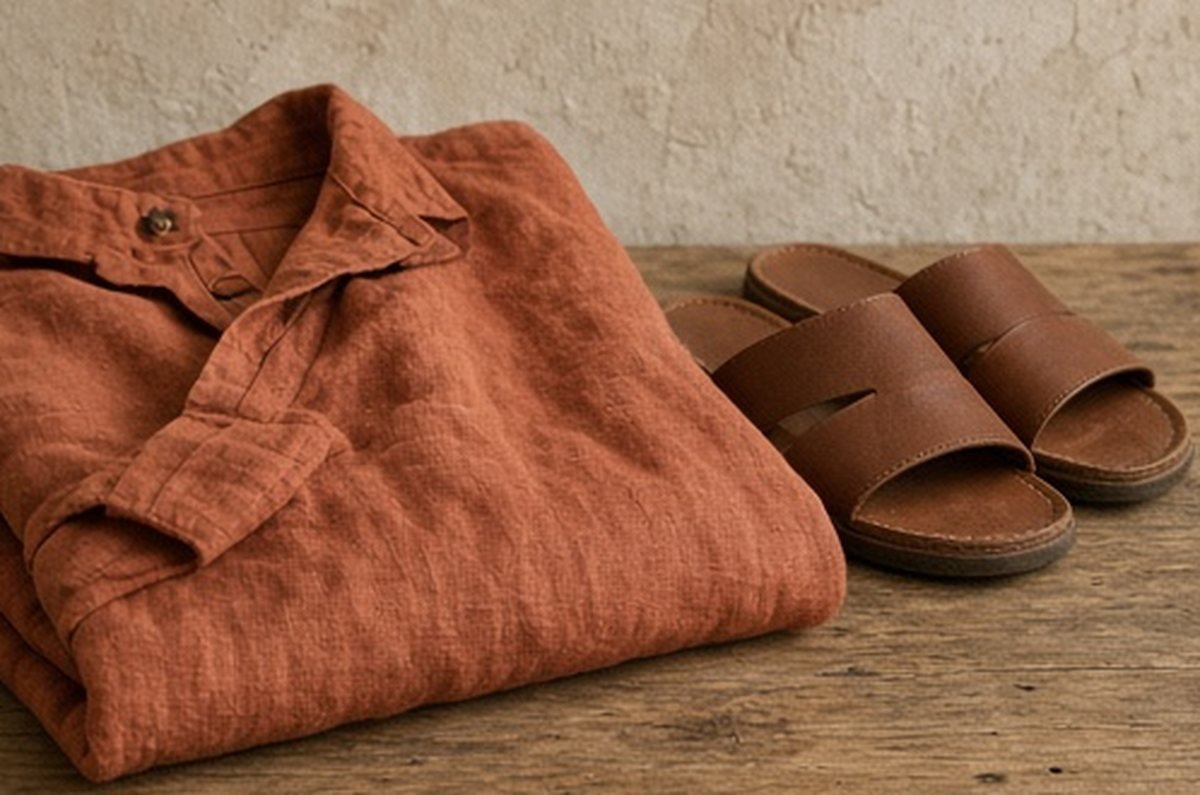
A shop name and a consistent visual style can make a clothing range look more uniform than it is. Soft colours, long dresses and vintage references may appear across several fabrics. Chillinen's product descriptions provide a useful reminder to read the individual garment instead of assuming everything in the same shop has the same composition or care.
Per the brand, Chillinen's official website lists cotton knit dresses, linen dresses, cotton separates and a linen-cotton blend knit. Those are distinct product descriptions, not interchangeable material categories. This guide explains how to use that information when researching a wardrobe gap; it is not a hands-on assessment of the garments.
Begin with the garment's job
Write down where you expect to wear the piece and what comfort means in that situation. A desk day, warm afternoon and cool journey can require different layers. Fabric choice matters, but it belongs inside that practical brief rather than replacing it.
Include fit, movement and maintenance. A promising fibre can still appear in a cut you dislike or a construction needing care you cannot manage. The goal is a useful garment, not a successful purchase of one material word.
Read the complete title, then the details
Per the brand, examples on Chillinen's site include a maxi cotton knit dress, a maxi linen dress and a linen-cotton blend knit. The wording can help identify the starting category, but it does not replace the full product information. Look for percentages and any separate details about lining or trim.
Do not infer pure linen from the retailer's name or from a textured photograph. Likewise, a cotton title does not establish fabric weight, stretch or opacity. If an important specification is absent, record the gap and seek clarification before treating it as a known fact.
Separate fibre from construction
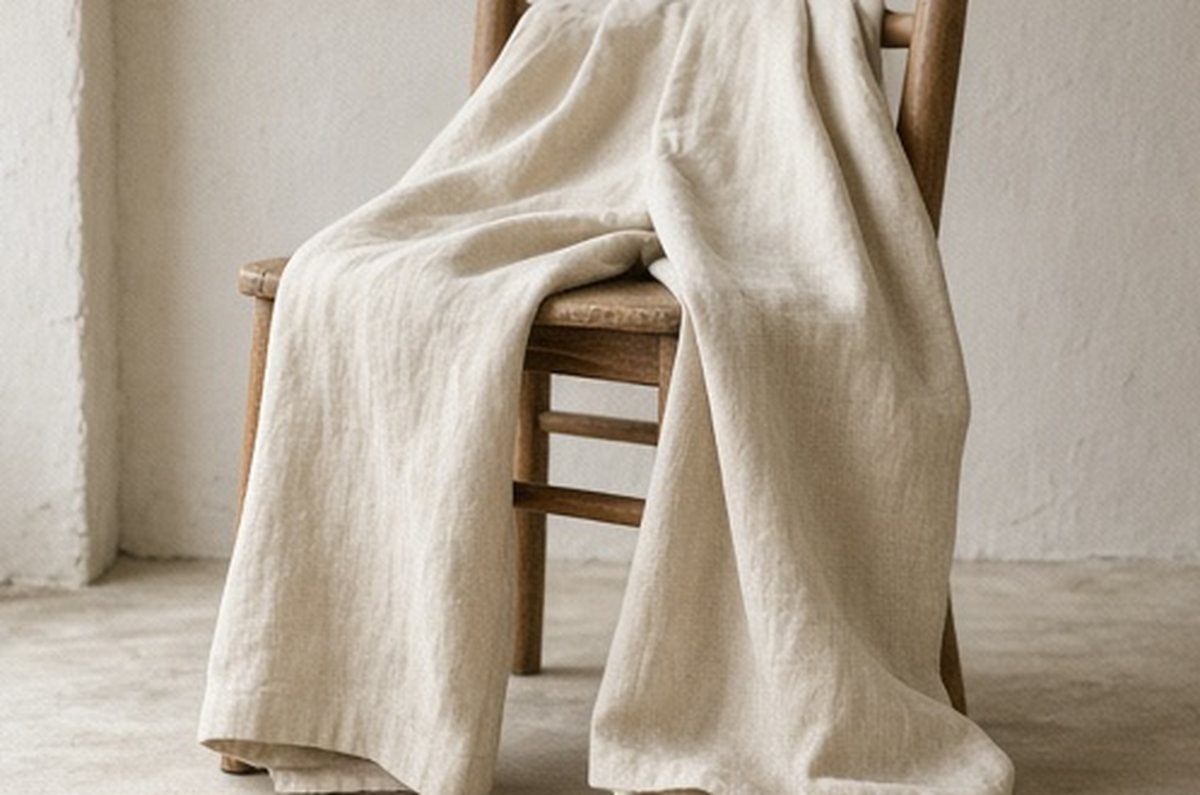
Cotton describes a fibre; knit describes a construction. Those pieces of information answer different questions. A woven cotton garment and a cotton knit can behave differently, just as linen can appear in different weaves, blends and weights.
Avoid turning these broad categories into universal promises. A knit is not automatically sufficiently stretchy for any fit, and a woven fabric is not automatically restrictive. Cut, construction and finishing all contribute. Compare actual garment details and your experience with similar pieces.
Look at the restrictive areas
For a dress, check shoulders, armholes, sleeves and any shaped waist. A roomy skirt does not establish comfortable upper-body movement. Compare useful measurements with a familiar garment and distinguish body charts from actual clothing dimensions.
If the product uses adjustable details, understand what they adjust. A tie or flexible back does not create unlimited room everywhere. Check whether the design gives enough space where you need it rather than assuming one feature solves the whole fit.
Notice styling exclusions
Per the brand, some Chillinen listings explicitly describe separates with other pictured garments not included. Read those qualifications carefully. A styled outfit photograph can show several pieces while the listing covers only one.
Identify the exact item, colour and variant before comparing cost or wardrobe usefulness. If additional pieces are needed to recreate the look, test existing alternatives first. The attractive complete outfit should not quietly become a commitment to several unplanned purchases.
Check warmth and underlayers
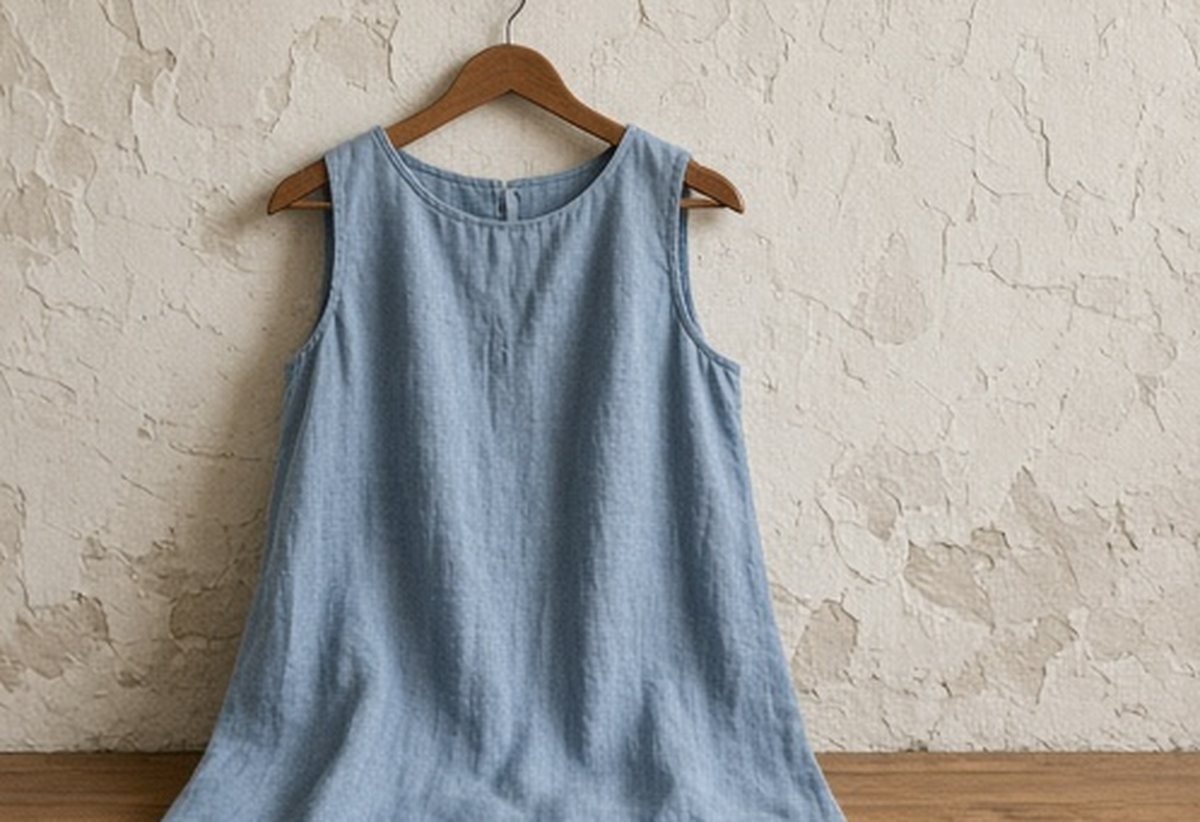
A product image cannot establish how comfortable the fabric will feel in your climate. Consider the complete outfit, including underwear, a slip if wanted, and the layers needed for cooler periods. A light garment may be flexible, but extra supporting pieces change the calculation.
Try the relevant combination where an appropriate try-on is available. Sit and move rather than judging only a standing pose. A fabric that feels pleasant alone may bunch beneath another layer, and a fitted sleeve may become restrictive inside a coat.
Read care before choosing a favourite
Find washing and drying instructions on the particular item. Different fibres, trims and constructions can have different requirements even within one shop. Do not copy a method from a previous purchase simply because the brand name matches.
Ask whether the routine is realistic in your home. Limited drying space or shared laundry settings can affect suitability. A garment becomes an everyday favourite more reliably when care fits your life rather than depending on future enthusiasm.
Treat vintage language as style information
A new garment described with vintage references is not thereby an antique. Read the listing for the actual production context instead of inferring age from romantic styling. Aesthetic inspiration and material composition remain separate facts.
You can enjoy the look without building a full period outfit. Try the piece with shoes and layers already available. A distinctive dress may become more wearable through simple combinations than through a collection of newly purchased accessories.
Make a comparison you can explain
Choose a few plausible items and compare the same questions: composition, construction, measurements, care and the outfits they would join. Do not rank unrelated garments merely by which photograph feels most appealing. Keep the original wardrobe job visible.
A useful result might be one shortlist entry or the decision that existing clothing already works. Chillinen's range offers different material starting points, but the careful choice happens at product level. Reading the full description is a small step that can prevent a much larger mismatch.
Brand source
Product-description references are per Chillinen's official website. Verify exact composition, inclusions, sizing and care on current individual listings. No price, certification or hands-on performance claim is made.