
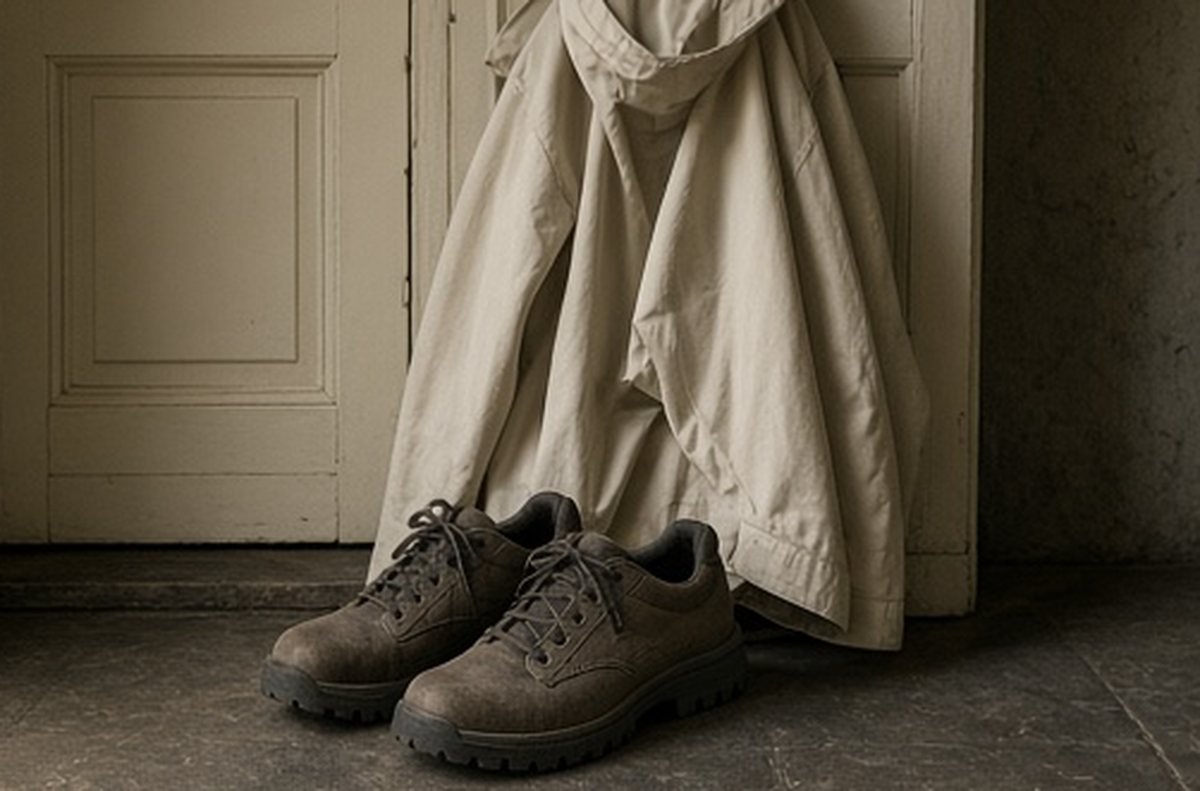
A walking trip is a poor place to discover whether a new shoe suits you. Product photographs, familiar size labels and a brand's values can all inform a purchase, but none replaces the experience of the actual footwear on your own feet. Leave the decision far enough ahead of departure to have a realistic alternative.
Per the brand, Etiko lists low-cut sneakers in its footwear range, including an all-black style. This is a planning guide, not a wear test or a claim about cushioning, support, water resistance or suitability for a medical condition. Any specific footwear requirement should be assessed using appropriate professional advice and the exact product information.
Start with the route rather than the colour
Describe the ordinary walking involved: transfers, paved streets, standing in queues or a route requiring particular equipment. A familiar-looking sneaker is not automatically suitable for every surface or condition. If an activity or venue specifies footwear requirements, check them directly before treating a general-purpose shoe as the answer.
Include weather exposure and the time spent outdoors without inventing a performance rating from appearance. An all-black colour may work with several outfits, but it does not establish protection from rain or a particular grip standard. Keep those functional requirements separate from the styling advantage of a neutral shoe.
Read the seller's measuring guidance
Use the size information for the exact footwear product and market. Do not assume a number translates perfectly from another brand or sizing system. Follow the seller's method where provided, and ask for clarification if the guide does not answer the question that matters to you.
Include the socks you expect to wear in the comparison. A shoe chosen with one sock arrangement may feel different with another. Avoid solving uncertainty by ordering a supposedly universal extra size or relying on a general statement that a particular style runs small. Product-specific guidance and your own fitting remain the useful evidence.
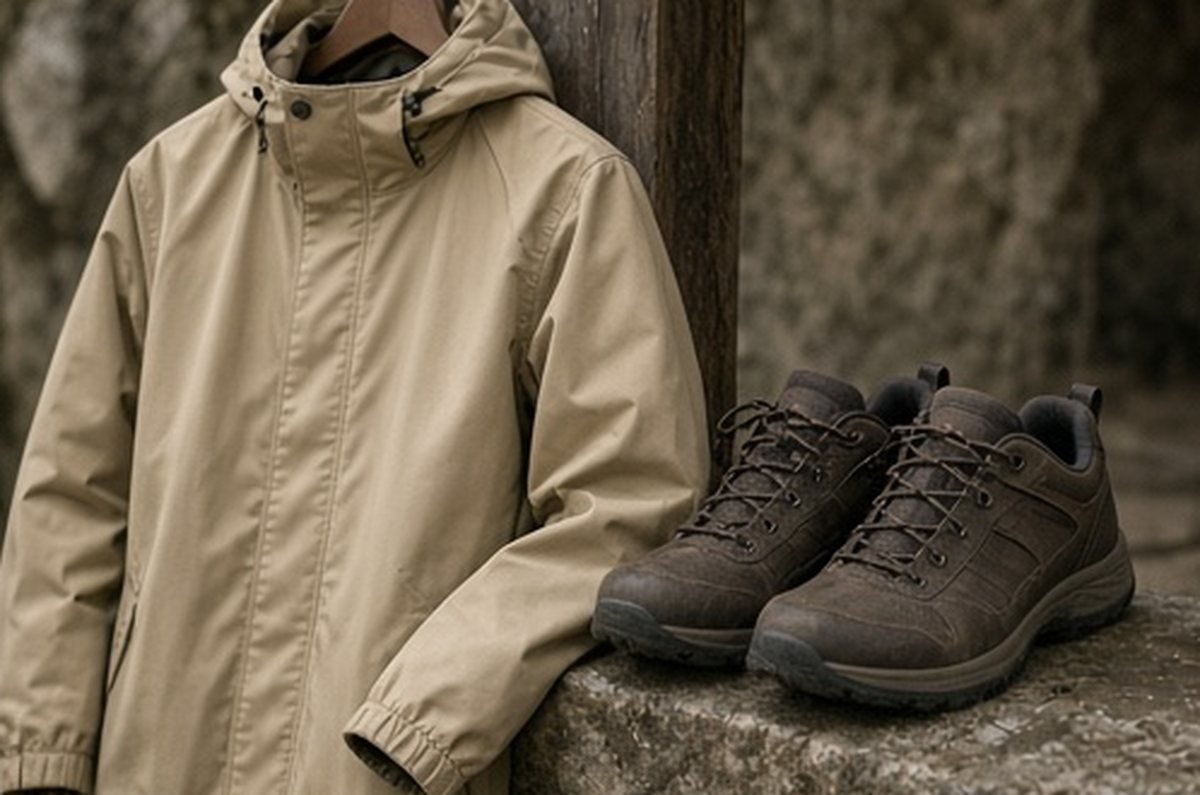
Preserve a proper return decision
Check the current return conditions before trying the shoes, including any requirements about indoor use, packaging and condition. Keep the fitting careful and clean. Do not take new footwear outside for a walking test and then assume it remains eligible for return.
Inspect the pair received for the correct size and any visible issue before using it. If something is wrong, follow the seller's process rather than attempting an adjustment first. The practical benefit of ordering ahead is time to resolve an unsuitable purchase, not permission to put a returnable item through an unapproved trial.
Use an ordinary indoor fitting
Try the actual pair with the intended socks and notice how it feels standing and moving gently in a suitable indoor space. Assess both shoes rather than deciding from one foot. Stop if there is discomfort; do not treat an uncomfortable fitting as a challenge to be endured before the trip.
Avoid making a prediction that stiffness or pressure will definitely disappear with wear. Some changes may occur in footwear, but the extent is not something this article can establish for a particular pair. If the fit is uncertain, consult the seller or an appropriate professional rather than depending on the holiday to settle it.
Bring the whole outfit into the decision
Try the shoes with the trousers, skirt or dress you expect to pack. Check hem clearance and the sock relationship as well as appearance. A shoe that looks versatile in isolation may work with fewer of your existing clothes than you imagined, especially if the trip includes different lengths and layers.
Do not buy several supporting garments merely to justify the footwear. If the new shoe fills a real functional gap, a limited set of compatible outfits may be sufficient. If its role is mainly stylistic, be honest about that too. A useful packing decision separates necessity from an appealing new combination.
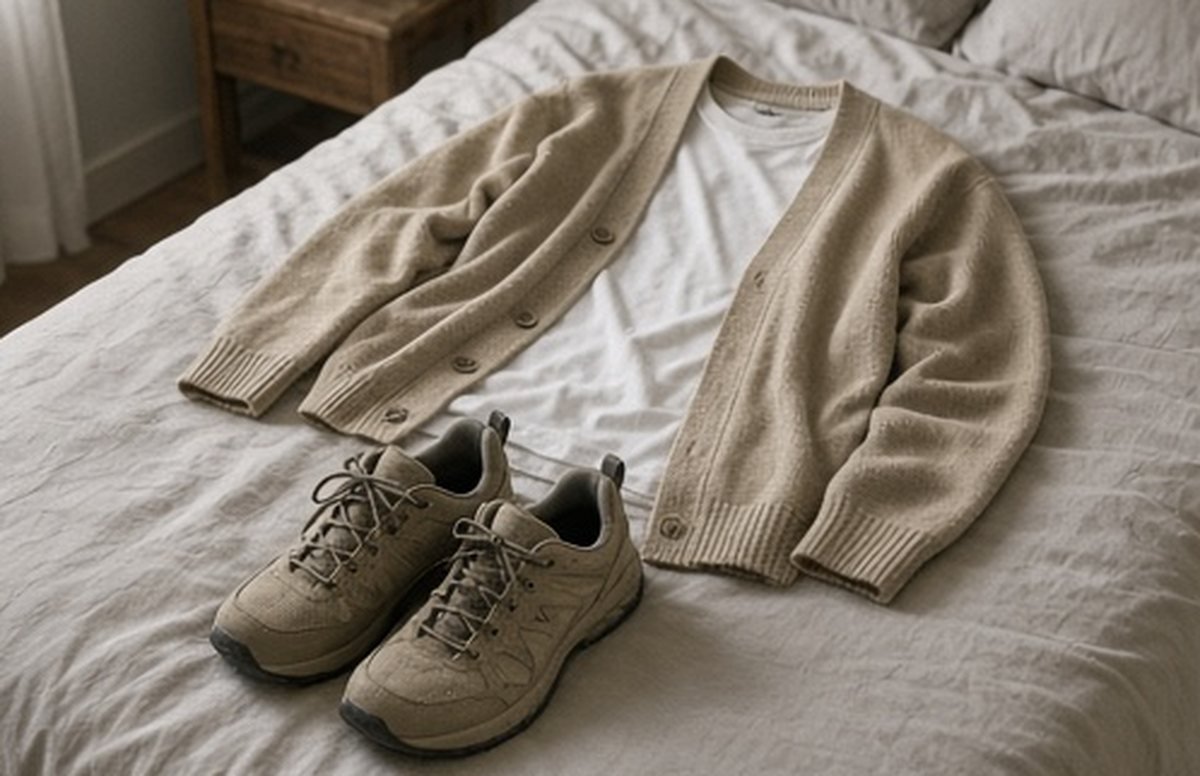
Keep a familiar alternative available
Before departure, identify a pair you already know and can use for the appropriate parts of the itinerary. It need not be packed automatically as a second substantial pair; the point is to have an alternative decision before you commit to relying on unfamiliar footwear.
If you bring more than one pair, give each a clear purpose. Avoid assuming an occasion shoe is a practical walking backup just because it fits in the bag. Equally, do not discard a familiar workable option because a new pair seems more capsule-friendly in photographs. Dependable use matters more than a perfectly coordinated packing image.
Follow the exact care information
Read the materials and cleaning guidance for the actual shoe. Do not transfer a machine-washing routine from another sneaker or assume all footwear from one brand shares the same construction. Check any instructions for drying and for dealing with wet conditions rather than improvising high heat or strong cleaning products.
Plan how shoes will be contained in luggage so soles do not contact clean clothing. If the pair becomes wet, use an appropriate temporary separation and attend to it according to the guidance when possible. Care is part of the travel plan, not a task that starts only after the footwear looks visibly dirty.
Decide before departure becomes pressure
Set a realistic point at which you will choose the footwear for the trip. If the new pair remains unsuitable or uncertain, use the appropriate alternative instead of allowing the approaching departure to make the decision for you. A return or deferred purchase can be a successful outcome.
The best walking-trip shoe is not established by a brand name, a colour or an optimistic packing list. It is the option whose verified requirements and actual fit align with the journey. Giving that decision time protects the rest of the wardrobe plan from having to compensate for footwear you do not comfortably want to wear.