
By Sarah J. · December 9, 2025
Per the brand, French Knot describes hand-knit accessories, embroidery and work with women artisans in Nepal. Keep those craft descriptions specific: making a knitted structure and adding decoration describe different work, and neither term supplies every material, fit or care detail for the finished accessory.
Key takeaways
- Attribute the craft story.
- Check the complete item.
- Keep care product-specific.
Keep each description in scope
Read the actual wording and preserve the attribution. Do not turn a broad craft account into a claim that every step or component follows one process. This article does not independently verify production or add a certification claim.
Look at the complete accessory
Check the selected item's material, dimensions and handling information. Decoration can be part of the piece without explaining every fibre or fastening. If a particular construction detail matters, ask a precise question rather than inferring it from a decorative close-up.
Use the item through winter
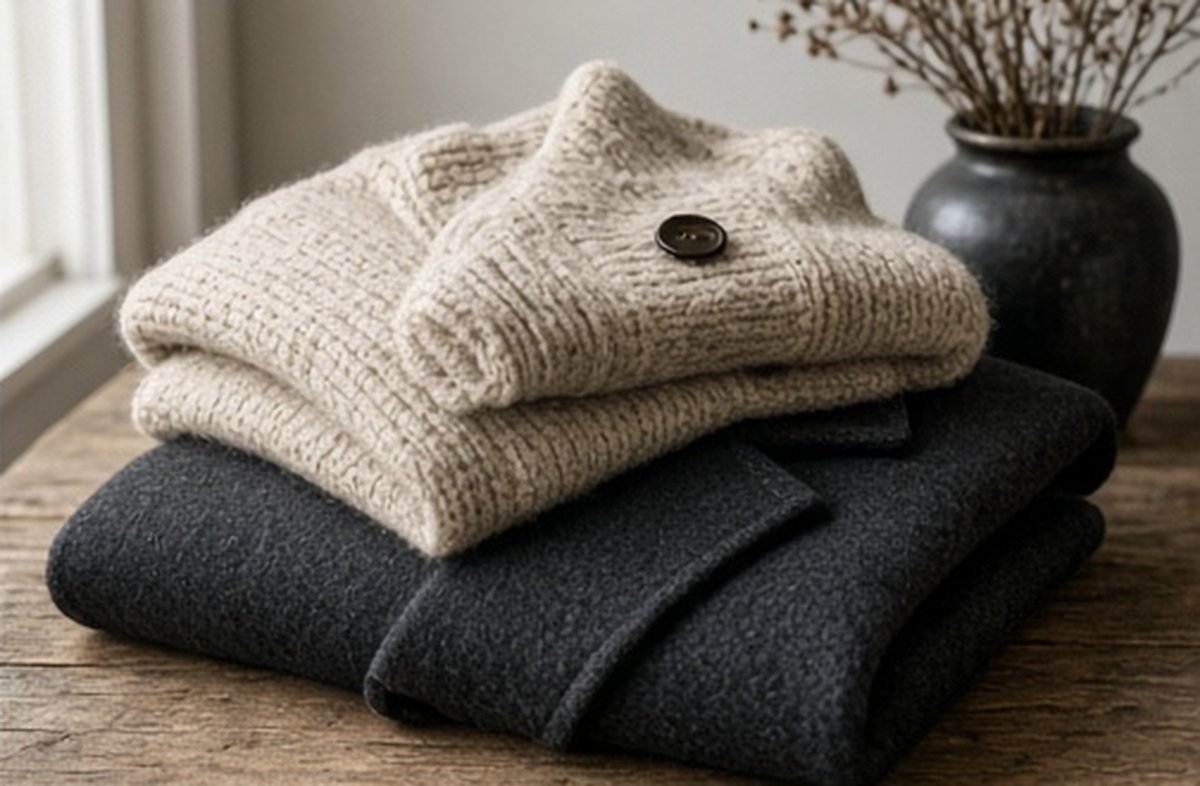
Try the actual coat or other companion garments where appropriate. Plan a suitable place when the accessory comes off and follow its own care instructions. Appreciating the work behind an item should support practical use, not require treating the whole piece as an untouchable display.
What does French Knot say about its craft approach?
Per the brand, the French Knot site describes collaboration with women artisans in Nepal and presents hand-knit and hand-embroidered accessories. Its account also refers to fair trade principles. These are attributed descriptions of the brand’s approach, not an independent assessment made here or an additional certification claim. Keep the wording at its stated scope rather than extending it to an unlisted assurance about every component.
A brand story can explain the kind of work the company values while leaving product-specific questions open. Read the selected accessory’s description alongside that story, not underneath it as though the general account answers everything. If a particular technique matters to your decision, look for that information about the item or ask. Do not assume that every stage of production follows one method because a decorative detail is described as handmade.
How are knitting and embroidery different descriptions?
Knitting describes a textile structure made through loops; embroidery describes decorative stitching on a supporting material. The terms can appear together on one accessory while referring to different work. Keeping them distinct makes a description more informative. It avoids treating every visible stitch as evidence about how the whole item was constructed or using one attractive detail to infer the process behind parts the photograph does not show.
That distinction does not rank one craft above another or establish a garment’s entire value. It helps identify the question you actually have. If you want to understand the knitted body, ask about that construction. If the decoration matters, ask about the relevant detail. A broad request to confirm that everything is handmade may remain less useful than a precise question about the specific component you are considering.
What should you check about the complete accessory?
Read the actual material information, dimensions and any separately described components. A close photograph of embroidery does not establish the fibre content of the whole piece, the size of an opening or whether a lining is present. Do not borrow those facts from a nearby accessory with a similar appearance. Keep the item identity attached to your notes so a useful brand description does not become a substitute specification.
Consider the intended use alongside the facts. A hat, pair of gloves and other accessory can involve different fit and handling questions even when they share a decorative style. Compare the particular piece with an appropriate familiar reference where helpful, using consistent units and methods. The aim is to understand the accessory you might wear, not to decide that one craft term makes every item in the range equivalent for every person.
How should you test the winter outfit around the accessory?
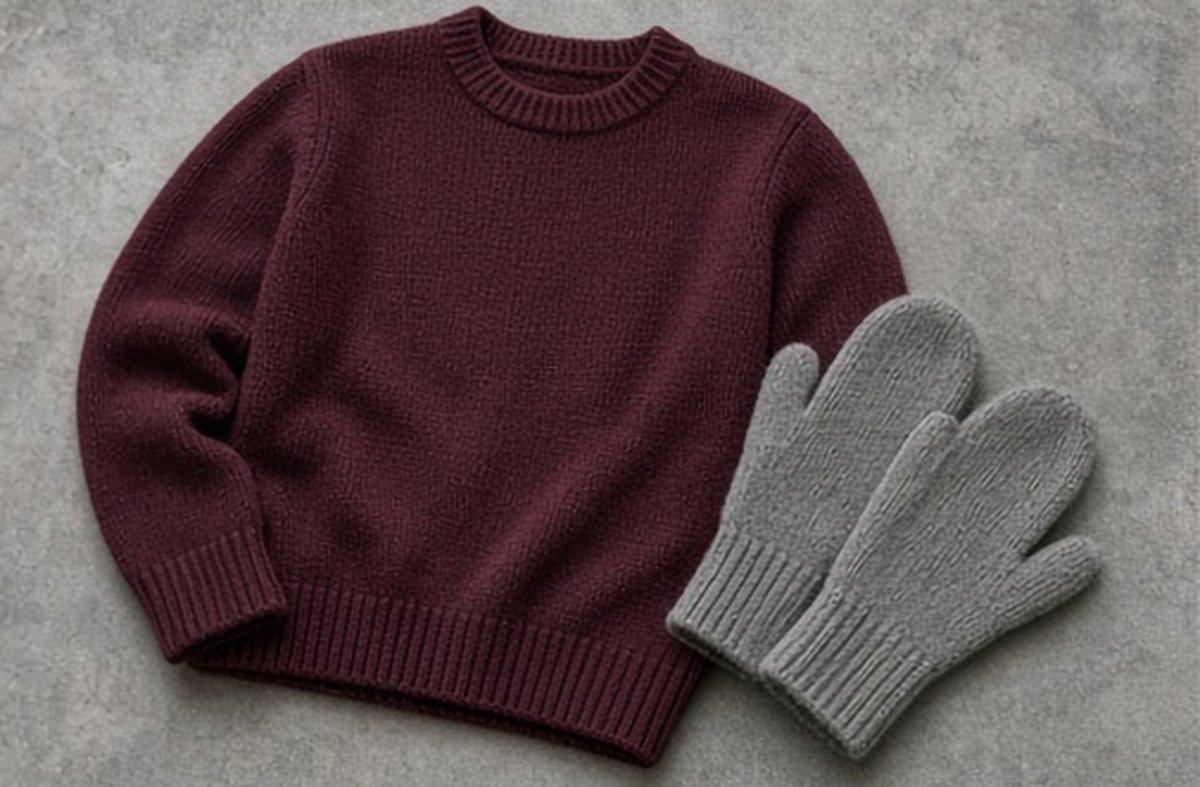
Use the actual coat or other companion garments rather than assessing the accessory entirely on its own. Check the relevant contact points and ordinary movement without pulling on decorative areas. The specific outfit may affect comfort, access or handling, and an appealing photograph does not establish those relationships for another wearer. Keep the test gentle and relevant to the use instead of treating the piece as something to stress-test.
If the combination is awkward, consider another familiar pairing before altering or adding attachments. Appreciating the work does not mean you must make every coat or bag compatible with the item. A useful accessory can have a specific role without being universal. Equally, a beautiful detail does not require treating the whole piece as an untouchable display; appropriate practical use can remain part of why you choose it.
Which care instructions apply to decoration and structure together?
Use the guidance for the complete accessory rather than copying a general routine for another wool item. Materials, construction and decorative details can create different handling questions. If something is unclear, ask about the actual piece and the proposed process before proceeding. Do not turn a craft description into a promise that one washing, drying or finishing method is suitable for everything the company makes.
Keep temporary storage appropriate when the accessory comes off indoors. Avoid mixing it with rough, damp or soiled objects simply to keep a bag compact. Assess its condition before calling it ready again; a neatly stored item may still need attention. The care plan should support repeat use while respecting the specific guidance, not introduce improvised treatments or a rigid universal schedule based only on the word handmade.
How do you make a considered choice without overstating the story?
Separate the attributed brand account, the item’s actual specification and your own intended use. Each contributes a different kind of information. If an assurance matters, seek the particular supporting detail rather than adding a certification or production claim that has not been established. You can value the described craft while acknowledging that this article has not independently verified the full supply chain or the making of an individual accessory.
Make the final decision against a practical brief: the wanted piece, suitable fit, appropriate companion outfit and realistic care arrangement. A good match for one role does not need to become a claim that the brand solves every winter clothing need. Keeping the language precise leaves room to appreciate the work, ask meaningful questions and choose an accessory you intend to use rather than merely repeat an attractive narrative about it.
Specific craft language leaves room to value the work while asking clear questions about the accessory you intend to wear.
Which practical check fits the situation?
| Situation | Practical check |
|---|---|
| Craft description | Keep knitting and embroidery specific and attributed. |
| Product information | Check the actual materials, dimensions and construction. |
| Practical use | Test the intended outfit and follow complete-item care. |
Related reading
- French Knot Brand Spotlight: Hand-Knit Accessories From Nepal
- Birdsong Brand Spotlight: Deadstock Rescue, Hand Embroidery, B Corp
- Hand-Knit Wool Hats: How to Choose, Wash and Store Them
Frequently asked questions
Do not infer a complete production sequence from one term. Read the actual item description.
Not automatically. The full construction and any decoration need the applicable guidance.
No. It shows a detail; read the selected item’s specification or ask about the component that matters.
No. Keep the brand’s description attributed and do not add a certification claim that has not been established.
Yes. A useful fit with one intended outfit can be enough without claiming that it works with every winter layer or setting.