
By Sarah J. · January 10, 2026
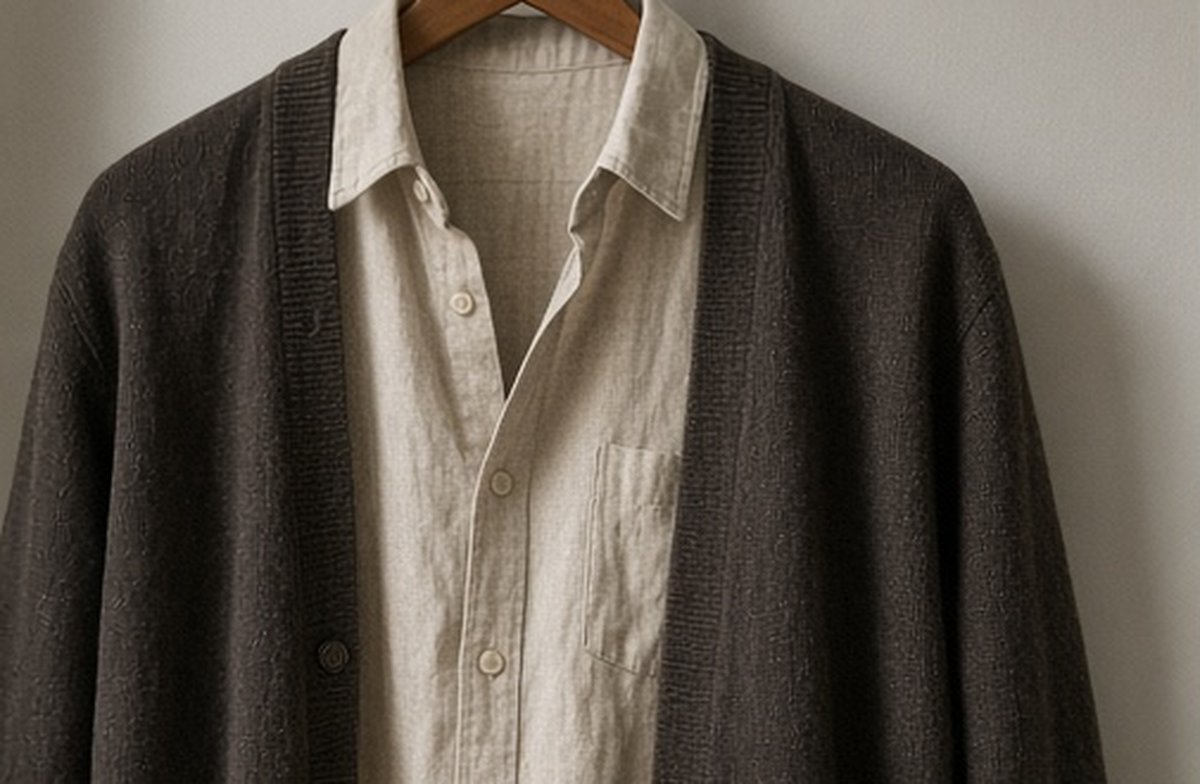
Check linen shirt buttons beneath a winter knit as part of the complete layered outfit. Assess the shirt and placket first, then add the actual knit and ordinary movement; a thicker outer layer can change the visible outline without resolving pressure, pulling or an underlying fit problem.
Key takeaways
- Check the shirt first.
- Test the complete pairing.
- Prefer an easy adjustment.
Start with the shirt alone
Fasten it as you intend to wear it and sit comfortably. Notice existing pulling around the placket before introducing another layer. If the shirt already feels restrictive, hiding it beneath a pullover does not change the underlying fit or remove strain from the closures.
Add the real outer layer
Use the particular knit planned for the day. Reach, sit and move your arms, checking whether the placket bunches or a button presses against you. Avoid forcing an oversized shirt into a very close outer layer simply because the colours work together.
Choose the simpler adjustment
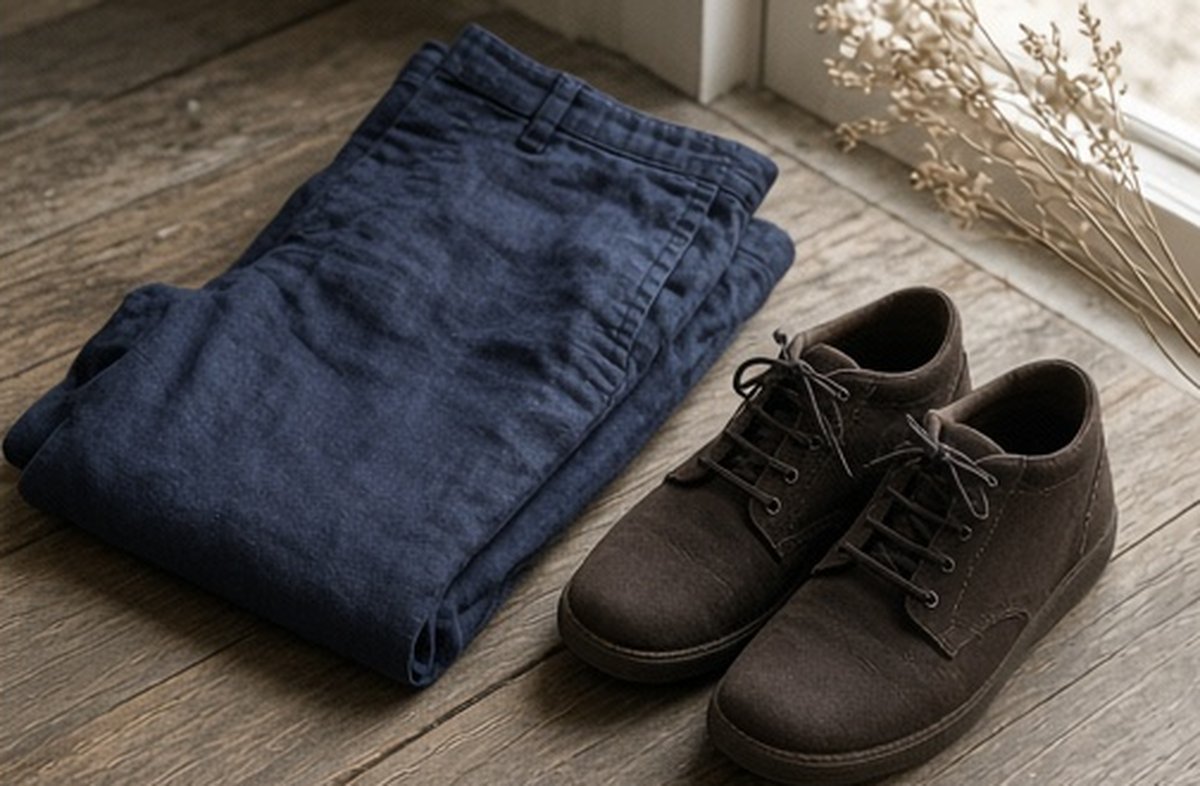
Try another existing pairing or wear the shirt with a more open layer. Do not remove functional buttons without considering how the garment closes. Follow each piece's own instructions when care is needed rather than treating the whole outfit as one laundry item.
How do you check linen shirt buttons before adding knitwear?
Fasten the actual shirt in the intended arrangement and sit and stand normally. Notice the placket, nearby fabric and any existing pulling before another layer obscures the view. Keep the shirt’s own fit as an independent question. If it already feels restrictive or requires force at the closures, covering it with a knit does not change the dimensions or make the underlying arrangement comfortable.
Use the garment you plan to wear rather than a similar shirt with a different opening or cut. A general linen description does not establish button placement, construction or personal fit. The useful starting point is a ready shirt whose actual state is understood. If it needs care or repair, keep that next step separate from the styling exercise rather than asking the outer layer to make the item appear resolved.
What should you observe when the winter knit is added?
Put on the actual outer layer and look at how the shirt sits beneath it. Notice whether the placket gathers or a button creates an uncomfortable contact point during ordinary gentle movement. A colour match can be appealing while the physical constructions remain awkward together. Keep the observation specific to the pair instead of concluding that every linen shirt or every close knit will behave in the same way.
Distinguish visible outline from discomfort. A button showing through can be an appearance preference, while persistent pressure or pulling raises another practical question. Do not combine those observations into one vague verdict that the outfit looks wrong. Naming the actual issue makes the next choice clearer, whether that means accepting a visible detail, changing a companion piece or assessing the shirt’s underlying fit separately.
How do sitting and reaching change the assessment?
Use the movements relevant to the planned day rather than holding a smooth standing pose. Sit in an appropriate place, reach gently and return to standing, noticing whether the layers remain manageable. If the shirt repeatedly gathers under the knit, check which relationship is causing the correction. Do not pull the outer garment tighter or compress the layers simply to preserve the outline seen in a first mirror glance.
Keep the actual lower half in the test where the waistband affects the shirt arrangement. An outfit may feel different once the full combination is worn. This does not automatically establish that either garment needs a new size or permanent alteration. Another familiar pairing can be the simpler result, and one successful specific arrangement can be useful without requiring every top and knit in the wardrobe to become interchangeable.
Which adjustments are worth trying before buying or altering?
Compare another appropriate existing outer layer, including a more open arrangement where it suits the actual garment and use. Change one part at a time so the result remains understandable. Keep closures in their intended roles and avoid an improvised attachment that makes the outfit look settled only briefly. The goal is a comfortable repeat pairing, not reproducing a photograph despite different garments, construction or personal preferences.
Do not remove functional buttons or permanently change the shirt simply because they create a visible line beneath one knit. If alteration genuinely interests you, ask about the actual construction and intended result before relying on it. Separate that future question from today’s outfit. A familiar alternative can meet the immediate need while leaving the garment available for a considered decision rather than an irreversible change made to rescue one combination.
What happens when the coat is added or a layer comes off?
Try the actual appropriate coat and other relevant companions for the conditions and activity. A shirt-and-knit arrangement can change again beneath another layer, so check ordinary movement and designed closures without force. Keep outdoor suitability separate from the question of a smooth indoor outline. Neither a fibre name nor a successful mirror test establishes all the protection required for the journey.
At the destination, decide which layer comes off and where it can appropriately go. Check the version that remains rather than assuming the coat hides every unresolved issue. A useful outfit includes practical transitions, not only a good appearance while fully assembled at home. If the combination becomes inconvenient, another familiar garment or a more limited role can be a valid outcome without making the whole wardrobe a failed layering project.
How should you handle care and repeat availability?
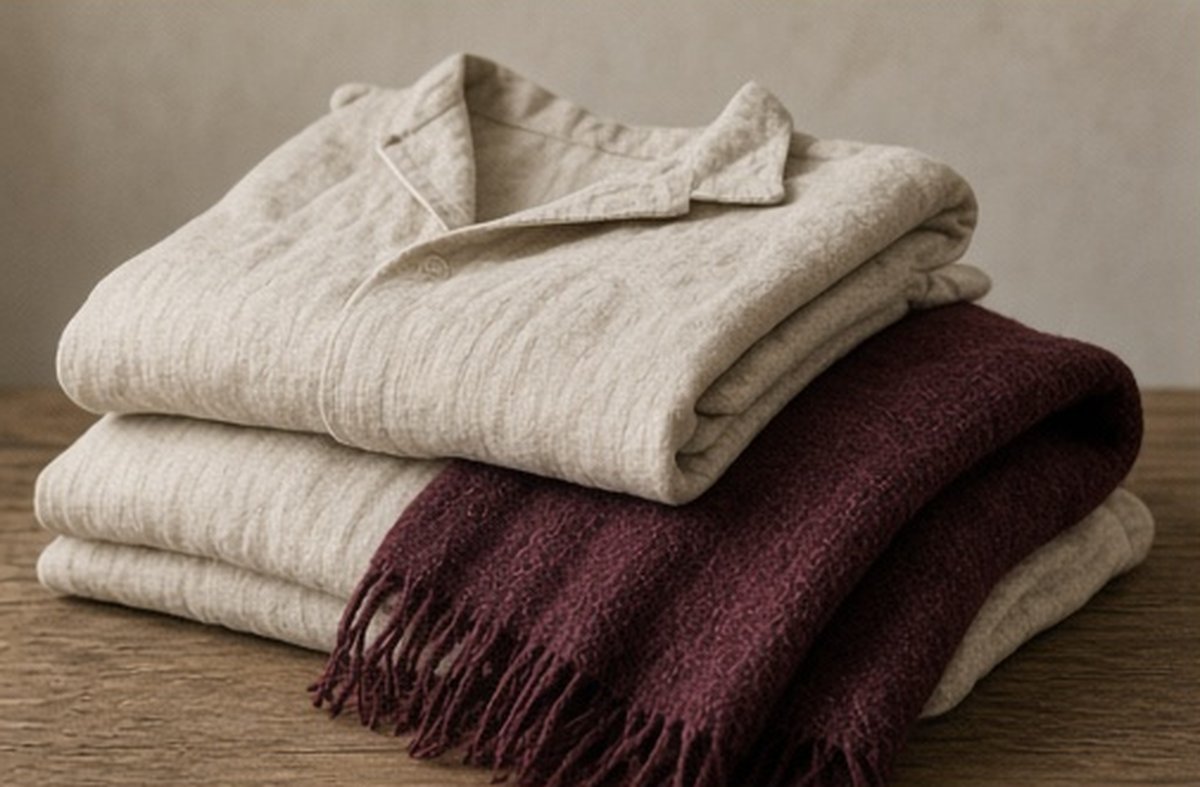
Read the complete shirt and knit instructions separately and assess their conditions after use. Worn together does not mean one shared care process. Keep ready items distinct from pieces waiting for attention, and do not treat a neat stack as proof that both are available. If the outfit depends on this exact shirt, another theoretical knit pairing still shares the same physical shirt and its current state.
Record the specific combination and useful arrangement if that helps repeat dressing. After ordinary wear, review whether pressure or adjustment remained a problem rather than relying only on the first try-on. The practical result may be one comfortable partnership, not a universal rule about sizing up, removing buttons or avoiding linen. Successful winter layering leaves both garments doing their actual jobs without persistent correction or an appearance goal overriding fit.
A successful winter layer feels comfortable in movement, not only in a mirror. The right partnership leaves both shirt and knit doing their jobs without persistent adjustment.
Which practical check fits the situation?
| Situation | Practical check |
|---|---|
| Shirt first | Assess the placket and intended closures before covering them. |
| Actual pairing | Separate appearance from pressure and test ordinary movement. |
| Repeat use | Keep care and physical availability distinct for both garments. |
Related reading
- Linen Shirts for Winter Video Calls: Check the Off-Camera Outfit Too
- Linen Waistbands Under Winter Knits: Decide What Stays Untucked
- Linen Shirt Under Sweater Outfits for Early Autumn
Frequently asked questions
No. The layered fit and closure construction matter with other shirt fabrics too.
No. Compare the actual garments; an alternative pairing may solve the issue without any purchase.
No. Treat appearance preference and physical pressure as separate observations.
Do not alter the shirt by guesswork. Try another appropriate pairing and seek advice before a permanent change.
No. It can change visibility while the shirt’s actual dimensions and closure strain remain unchanged.