

Repeating a dress can simplify a busy week, but it does not require wearing an identical outfit in identical conditions. Shoes, layers and activities all influence how the same garment works. A practical rotation uses those changes deliberately without turning one dress into an excuse to buy endless accessories.
Begin with a dress you already find comfortable. If researching a new one, establish fit and fabric feel before imagining a week of outfits. Versatility cannot compensate for a neckline that irritates you or a cut that restricts sitting. The main garment needs to earn its place first.
Define the ordinary week
List the situations the dress could realistically cover: work, errands, home, a meal out or travel. Leave out activities for which another garment is clearly more suitable. One dress need not handle exercise, formal occasions and every weather condition to be worth wearing often.
Check temperatures and indoor conditions. A warm office and cool commute may call for removable layers. The same base garment can support both if the system works, but the fibre name alone does not establish suitable warmth or comfort in every climate.
Make three complete combinations
Choose one outfit for a busy routine day, one for cooler weather and one for a slightly dressier occasion. Include underwear, socks or tights, shoes and a bag. Supporting pieces often determine whether a supposedly simple dress is actually easy to wear.
Use what you already own. A repeat-wear plan requiring several new jackets and shoes creates different costs and maintenance from a modest rotation. Small changes are enough when they respond to a real need rather than pressure to make every day visibly different.
Change warmth before decoration
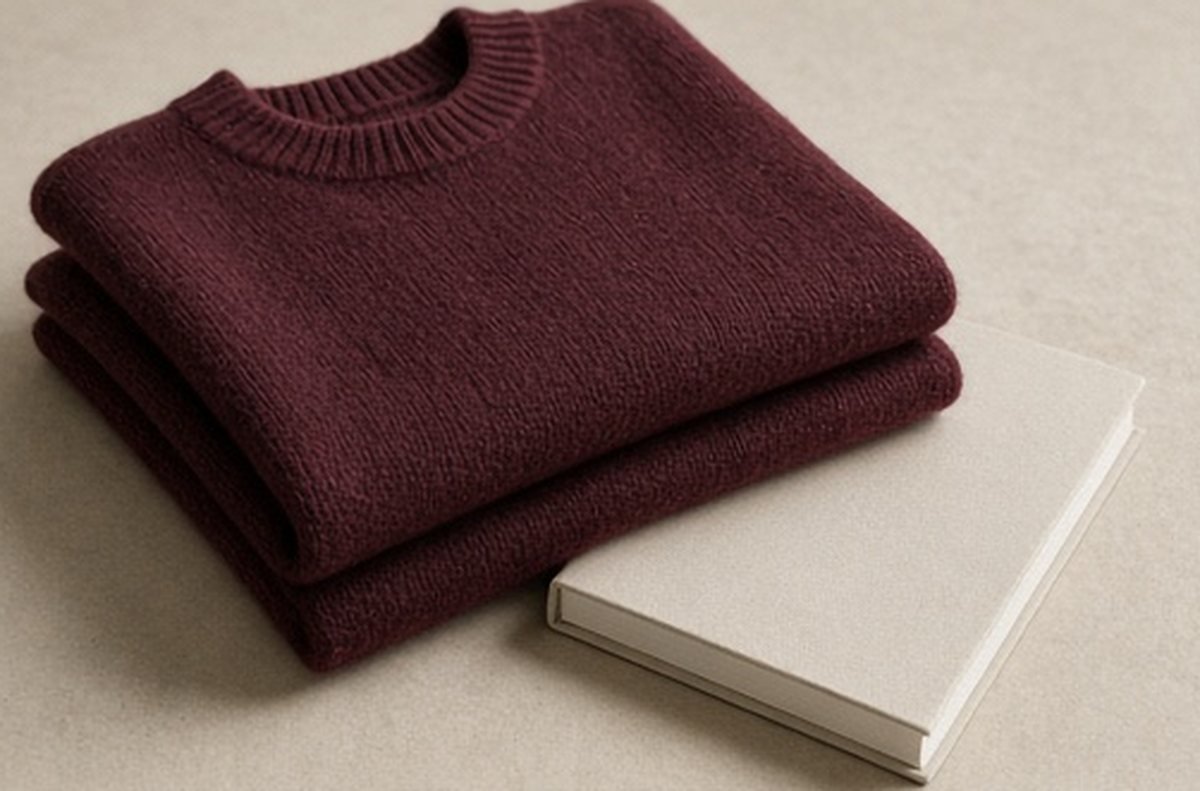
A cardigan, suitable coat or comfortable underlayer may make a more useful difference than jewellery. Test the necklines and sleeves together, then sit down. A close layer underneath can alter fit, while a bulky layer over the dress may feel restrictive beneath outerwear.
Keep weather protection separate from styling. If rain is likely, choose suitable protection rather than assuming wool removes the need. In very cold conditions, a dress-based outfit may need more layers or may not be your best option. Adapt the plan rather than defending the concept.
Let footwear follow the day
Choose shoes for the walking, standing and surfaces involved. A dress is not more useful if every outfit depends on footwear you cannot comfortably wear. Check the hem with each pair and make sure it does not interfere with movement.
If an evening shoe change is genuinely helpful, account for carrying space and any hosiery changes. That may be worthwhile, but it is still part of the system. Evaluate the complete outfit instead of counting the dress as versatile while ignoring everything needed around it.
Keep accessories optional
A belt, scarf or necklace can change a familiar garment, but none is compulsory. Try a belt while seated and check whether it creates uncomfortable pressure or bunching. A scarf should suit your temperature and fabric preferences rather than serve as a mandatory formula.
Avoid buying accessories solely to hide repetition. Wearing a familiar piece again is ordinary. The aim is to support different situations, not to make the dress unrecognisable each time. If the plain version is your favourite, it can remain the default.
Inspect before another wear
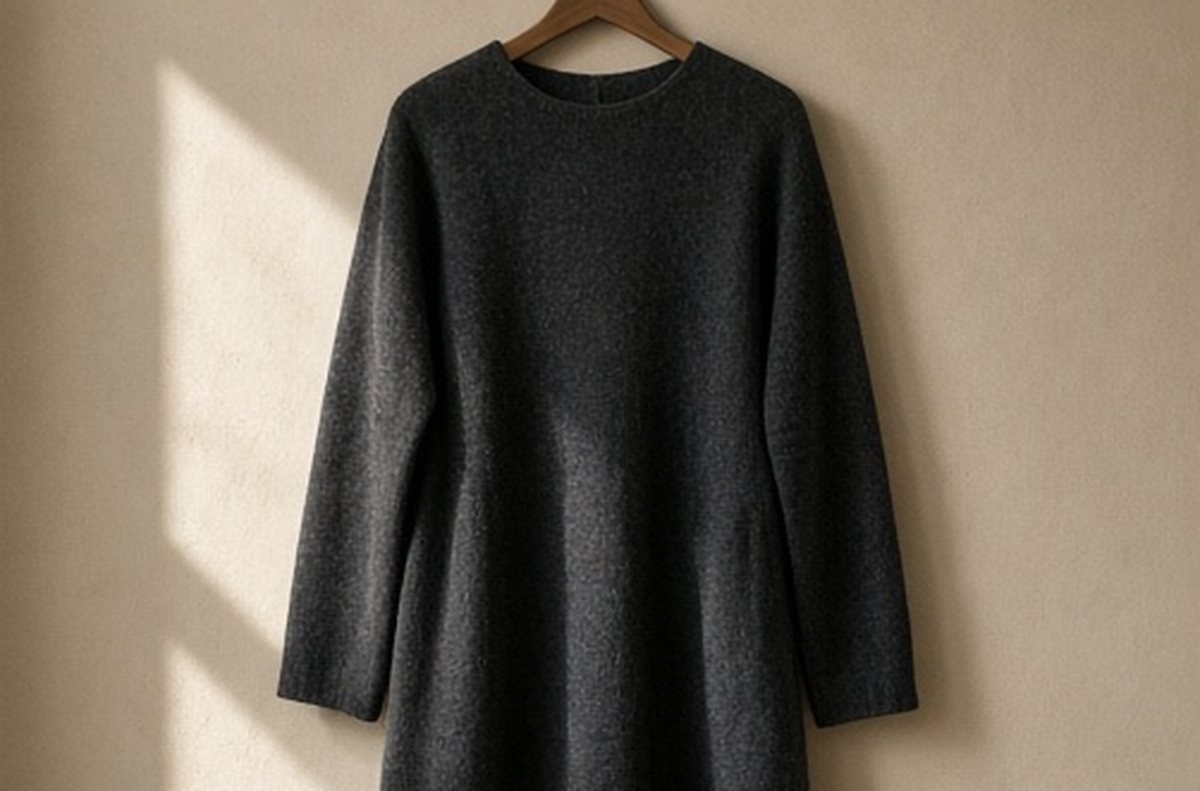
Check marks, odour and moisture after use. Air the garment appropriately and follow its label when cleaning is needed. A fixed repeat-wear target should not override condition or comfort. Different activities can create very different cleaning needs even on consecutive days.
Changing the outer layer does not produce a clean base garment. A cardigan will not remove a spill beneath it. Keep a backup available so the dress can be washed, dried or repaired without disrupting every planned outfit. A useful rotation should not depend on one piece being permanently ready.
Check brand details at product level
Per the brand, wool&'s official website presents merino apparel with categories including dresses, tops and layers. That range can start your research, but it does not establish the exact composition, feel or care of every item. Read the particular listing and the sewn-in label.
This guide is not a hands-on review of wool& products and does not promise a number of wears between washes. Individual comfort and activity matter. Repeat-wear marketing may inspire an experiment, but it should not become a rule that makes your clothing routine less pleasant.
Learn from the combinations you choose
After a week or two, note what you wore willingly. The simplest outfit may have worked repeatedly while an elaborate layered version stayed on the hanger. That evidence can reduce future shopping by identifying which supporting pieces are genuinely useful.
If the dress was less adaptable than expected, ask why. Fit, laundry access, weather and activities can each change the result. A different rotation or another base garment may be more useful than buying additional accessories to rescue an unsuitable idea.
Keep repetition unremarkable
There is no need to announce a challenge or maintain a public tally unless you enjoy doing so. A considered wardrobe can include frequent repeats alongside occasional pieces. The right balance is the one that makes dressing manageable and supports the situations you actually have.
A repeatable dress wardrobe succeeds when mornings become easier and the outfit remains comfortable through the day. One well-understood garment, sensible layers and an honest care routine can offer plenty of variety without making repetition the enemy.
Brand source
Category references are per wool&'s official website. Verify current sizing, materials and care on individual listings. No universal comfort or wash-frequency claim is made.