

By Sarah J. · December 27, 2025
Explore winter linen by testing one ready summer top with existing layers, not by assigning every warm-weather garment a year-round role. Keep a useful indoor outfit specific, assess the complete outdoor arrangement separately, and allow seasonal storage to remain a sensible choice if the experiment does not work.
Key takeaways
- Choose one ready top.
- Use existing partners.
- Allow a limited role.
Choose a suitable candidate
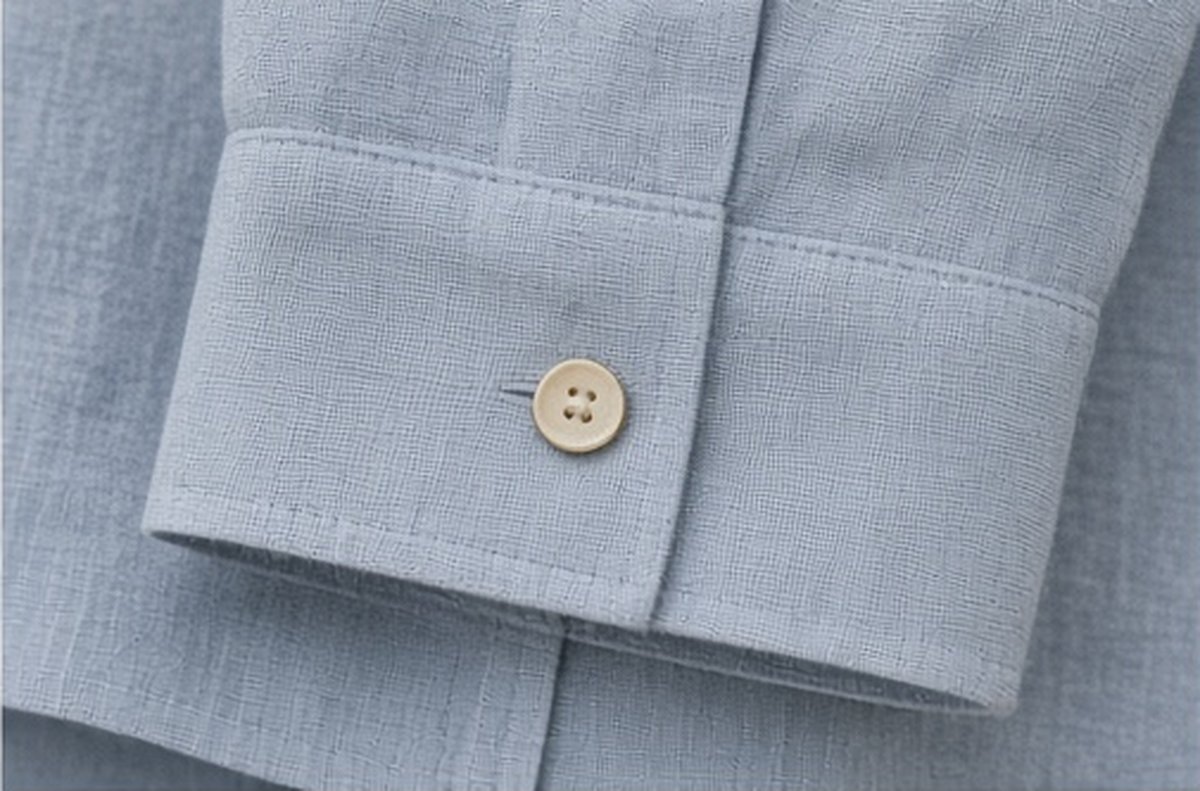
Use a top whose fit and care you understand and whose condition is ready. Leave unresolved repairs or unwanted fit changes out of the experiment. The goal is finding a real use, not rescuing every item simply because it is already owned.
Add familiar winter partners
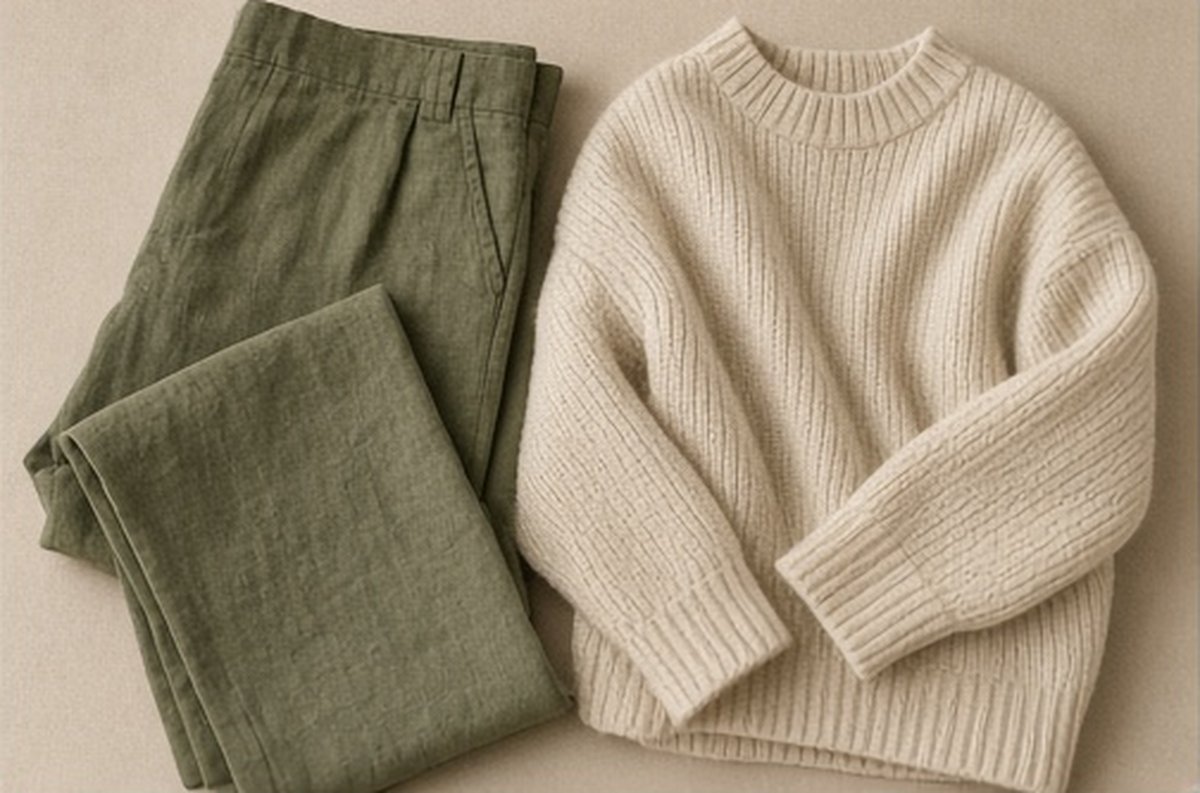
Try an appropriate existing layer and lower half, then assess gentle normal movement. Keep the actual conditions and activity in view. A linen description does not establish warmth, and adding layers does not automatically make every arrangement suitable outdoors.
Keep the useful result modest
If the outfit works indoors, record that role without claiming it covers the whole winter day. If it does not, seasonal storage may remain sensible. Avoid buying several supporting pieces just to prove that one familiar top can be worn without a break.
Which summer top is a sensible winter linen candidate?
Choose one item whose fit, condition and care you understand. Leave unresolved repairs, unknown handling requirements and unwanted fit changes out of the initial experiment. The goal is to discover a real existing use, not to prove that every garment already owned must be rescued through another styling project. A familiar ready top gives you a clearer starting point than a piece that needs several decisions before it can be worn.
Name the intended role before adding layers. An ordinary indoor outfit is a specific brief; a demand that the top handle every winter setting is not. Keep the question modest enough to answer with the clothing you have. You can test one useful pairing without committing to wearing the item continuously through the colder season or deciding that storing it would mean failing to make good use of the wardrobe.
How do you choose existing layers without creating a shopping list?
Start with familiar companions that already serve the intended setting: an appropriate lower half and a layer you actually use. Keep the first test simple rather than combining several untried pieces. This makes it easier to identify which relationship works or causes difficulty. A colour idea is not yet a complete outfit, and a photograph of a similar top does not establish the same arrangement with your actual garments.
Do not add hypothetical purchases to make the experiment appear successful. If the top only seems usable after buying several supporting pieces, pause and compare that plan with keeping it for its familiar season. The point of the exercise is an existing practical option, not a new project disguised as using what you own. A limited result can still be useful without requiring an expanded wardrobe to support it.
What should you check in the indoor outfit?
Try ordinary sitting, standing and gentle reaching in the actual combination. Look at neckline, sleeve and hem relationships where they matter, and notice whether one layer repeatedly needs correction. A summer top can have a different role under another garment without every shape becoming compatible. Keep your own comfort and preferred coverage central rather than treating a styling formula as a requirement for all wearers.
If the combination is awkward, change one existing companion and reassess where that is practical. Do not force a tuck, opening or fastening to imitate a held pose. You can decide that the top does not suit this role without declaring it useless. The valuable conclusion is specific: these pieces work together for this indoor setting, or they do not provide an option worth repeating in your routine.
How do you keep outdoor suitability a separate question?
Add the actual appropriate outerwear, footwear and other needed layers for the conditions and activity. A linen description does not provide a complete warmth specification, and an indoor success does not establish adequate outdoor protection. Check the physical combination and ordinary movement rather than assuming that adding more layers automatically resolves every need. The complete day may still call for another suitable outfit.
Plan removal and retrieval at the destination where relevant. If the coat comes off, know which version remains comfortable and where removed clothing can appropriately go. The top’s winter role includes those transitions, not just the first standing view at home. A useful limited indoor arrangement can remain worth keeping even when another combination serves the journey better; it does not need a universal all-day claim to count as a real option.
When is seasonal storage the more practical result?
If the ready top does not work with appropriate existing companions, leaving it for its familiar role can be sensible. Do not make continued year-round use a moral obligation or a reason to ignore comfort. A garment can be useful over time without being present in every season’s active wardrobe. Keep the decision tied to actual conditions, the available clothing and the way you prefer to organise space.
Use appropriate storage for the item and keep any genuine care need clear before putting it away. Do not hide an unresolved issue inside a neat seasonal bundle. Where the piece is ready, storing it can reduce clutter and make the clothing used now easier to find. That is a practical household decision, not proof that the experiment failed or that another purchase is required to make the top deserve its place.
What should you keep from a successful test?
Record the exact top, companions and setting if that helps repeat the outfit. Avoid turning one success into a general rule that all summer linen belongs in winter or that every similar-looking item behaves alike. Keep the garment’s instructions and actual condition visible after use. The tested combination still depends on its physical pieces being ready, not simply on remembering an attractive idea from the mirror.
Review the option after ordinary wearing rather than relying only on the first try-on. If it remains comfortable and manageable, keep that particular role. If not, adjust the specific relationship or return to seasonal storage without an elaborate rescue plan. One useful pairing is enough. Reconsidering existing clothing works best as a practical choice you can accept or decline, not an assignment to make every garment perform continuously through every part of the year.
One useful combination is enough. Revisit the top with curiosity, not an obligation to make every garment perform in every season.
Which practical check fits the situation?
| Situation | Practical check |
|---|---|
| Candidate | Choose one ready familiar top without unresolved fit or repair questions. |
| Experiment | Use actual existing partners and test an indoor role. |
| Conclusion | Keep the specific useful outfit or allow appropriate seasonal storage. |
Related reading
- How to Style Linen Trousers in Winter Without Looking Summer-Stuck
- Linen Jumpsuit Outfit Ideas for Late Summer Days
- Linen Blazer Outfit Ideas for Late Summer and Early Autumn
Frequently asked questions
No. Actual comfort, conditions and storage preferences can justify a seasonal break.
No. Read and assess the complete items rather than relying on the fibre name alone.
No. Assess the complete outfit, actual conditions and activity separately.
Pause and compare that plan with using existing suitable clothing or storing the top for its familiar season.
No. It can be a sensible practical result when the item does not serve the intended winter role.