
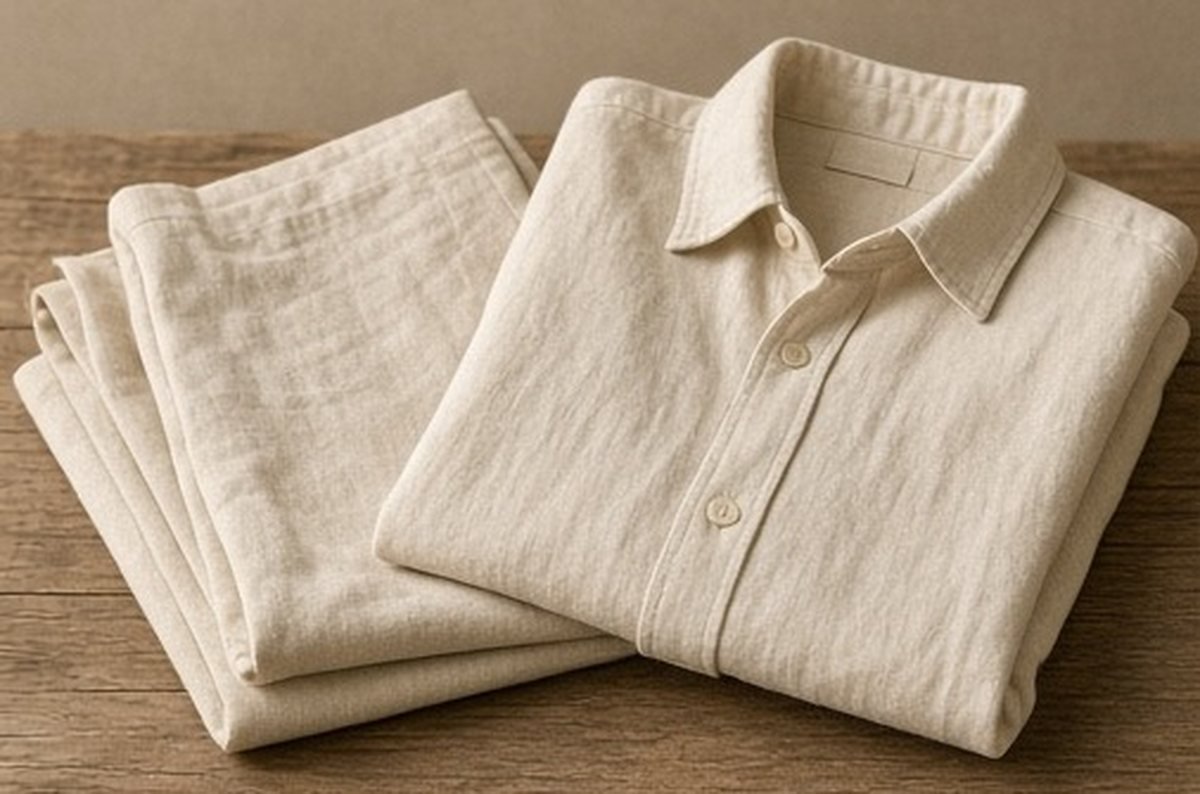
Online photographs can make a linen garment look beautifully simple: one colour, an appealing texture and a relaxed shape. In person, the shade may feel different, the weave may be more open than expected or the surface may have a character the screen did not reveal. Better research cannot eliminate these differences, but it can make the uncertainty more visible.
Begin with the job the garment needs to do. A light shirt worn over a base layer has different requirements from a dress you want to wear without a slip. The important question is not whether the fabric looks like linen in a photograph, but whether its actual properties are likely to suit your intended use.
Compare several photographs
Look for the same colour in more than one view, including close-ups and images showing movement. Lighting and editing can change how a shade appears. A studio image and an outdoor image may each reveal something useful without either guaranteeing what you will see at home.
Do not assume your screen is a colour reference. Device settings and ambient light affect perception. If an exact match to existing clothing is essential, acknowledge that online judgement is limited. A near match may be perfectly acceptable, but it should not be treated as certain before arrival.
Read composition before interpreting texture
Check the exact fibre percentages. A natural-looking surface does not establish pure linen, and a brand name cannot stand in for a product description. Blends can have different feel and care requirements. Read any separate information about lining and trim too.
Slubs and visible variation may be part of a fabric's character, but photographs alone cannot establish whether a particular irregularity is intentional or damage. If a detail matters, ask the retailer to clarify the actual garment or fabric rather than relying on a general aesthetic description.
Ask for useful information
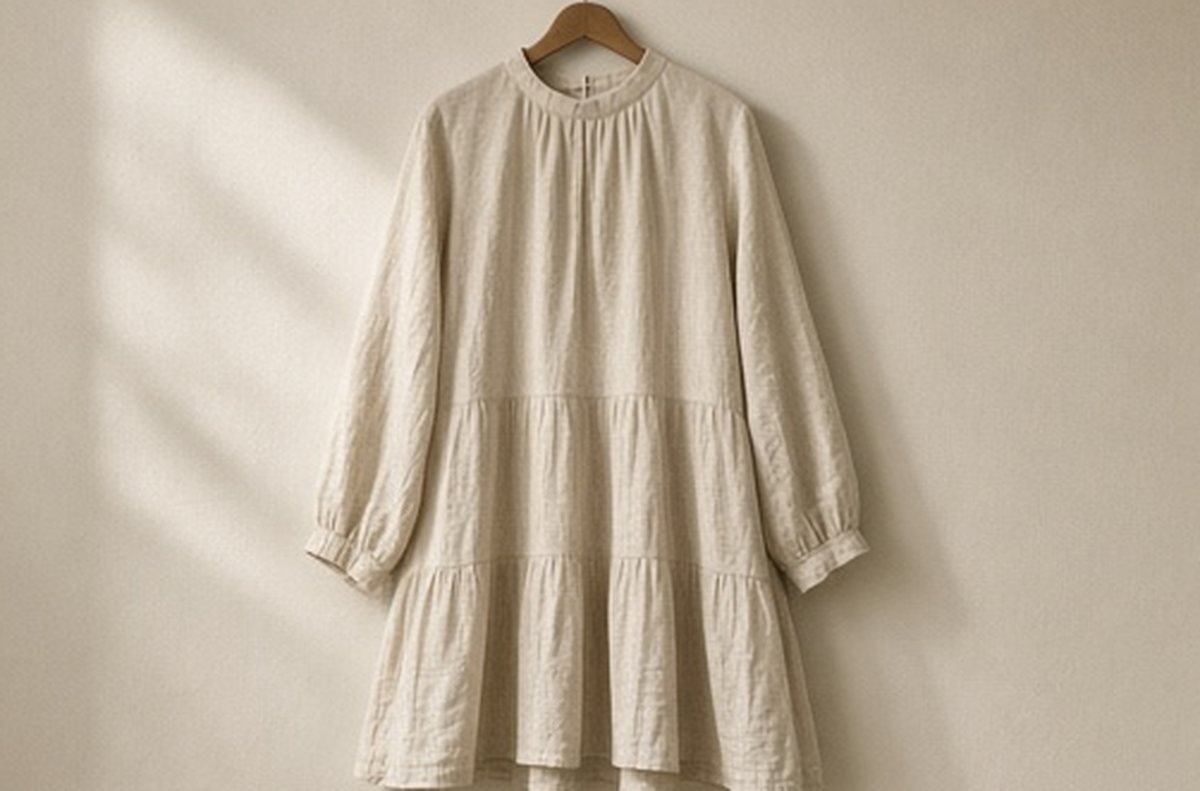
Questions about fabric weight, lining, opacity and garment measurements can be more helpful than asking whether something is high quality. The seller may not provide every specification, but concrete questions are easier to answer accurately than broad requests for reassurance.
If swatches are offered, check what they represent and whether the current colour and fabric are the same as the garment. A swatch can improve understanding of feel and shade but cannot establish the fit of a finished dress. It is one piece of evidence, not a complete try-on.
Use a known garment as a reference
Compare with linen clothing you already wear. Note what you like about its weight, drape, opacity and care. Even if the new listing lacks an exact match in specifications, a clear reference helps you ask better questions and recognise which uncertainties matter most.
Do not turn one successful piece into a rule for the whole fibre. Linen appears in many weaves and constructions, and garment design changes the result. A comfortable loose shirt does not establish that a close-fitting skirt in another fabric will behave similarly.
Assess transparency cautiously
Light colours and open constructions can reveal underlayers, but darkness alone does not guarantee opacity. Look for lining details and photographs in realistic light. Check whether pockets or seams are visible through the fabric and whether the styling includes an underlayer you would not normally use.
If you would need a slip or camisole, include it in the outfit and cost assessment. Additional layers may be welcome in cooler weather but less appealing when warm. The right answer depends on your comfort, not on a universal rule about how linen should be worn.
Keep colour compatibility practical
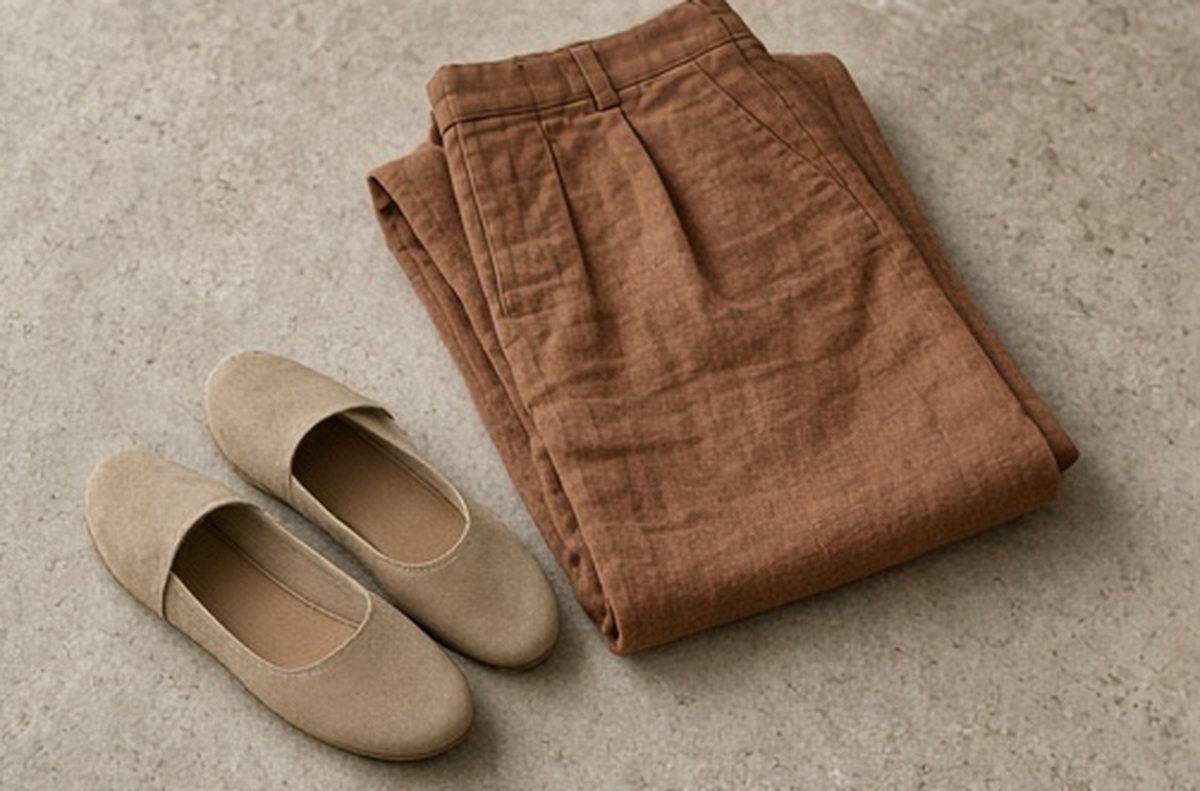
Identify two or three outfits the garment can join even if the colour differs slightly from the screen. Tonal dressing can tolerate variation, while a precise matching set may require more certainty. Avoid making the entire purchase depend on a near-identical shade you cannot verify.
Check how the proposed colour works with your shoes and outer layers, not just another top in a digital collage. If no existing combination feels plausible, the garment may create follow-up purchases. That does not make it wrong, but it changes the decision.
Read brand ranges accurately
Per the brand, MagicLinen's official website includes linen wear as well as home textiles. That range description offers a research starting point, not proof that every fabric or colour is identical across products. Read the exact current listing for the garment you want.
Per the brand, Chillinen's official site lists both linen and cotton styles. This is another reason to avoid inferring composition from a shop's name or visual style. Neither reference here is a hands-on assessment of fabric feel, colour accuracy or product quality.
Check care and return conditions
Read washing and drying requirements before ordering. If they do not suit your routine, a promising colour will not solve the mismatch. Keep delivery, possible return costs and the permitted try-on conditions visible, particularly for an international purchase.
When the garment arrives, assess it in ordinary daylight with intended underlayers and shoes, keeping tags attached as required. Do not wash or alter it merely to investigate whether it will become what you hoped. Make the keep-or-return decision within the seller's conditions.
A screen is a useful introduction, not a complete description of fabric. Clear questions, realistic colour expectations and a known reference can reduce avoidable mistakes. The goal is not perfect prediction; it is enough reliable information to choose thoughtfully and enough honesty to wait when an important uncertainty remains.
Brand sources
Limited range descriptions are per MagicLinen and Chillinen. No exact colour reproduction, universal opacity or product-specific certification claim is made.