

Merino has a strong reputation in travel clothing, but reputation is not a packing instruction. A garment can be well suited to one person and inconvenient for another. The most useful travel wardrobe is built around your activities, comfort and care access, not loyalty to a particular fibre.
Before deciding what to leave out, identify the job each piece must perform. Warmth, direct-to-skin comfort, movement and ease of cleaning are related but distinct questions. Merino may support some of them very well in your experience. It still does not need to be the answer to all of them.
Leave out the piece that irritates you
If a garment feels unpleasant against your skin, do not make it your only travel top because someone else calls the fabric soft. Check whether the issue involves seams, labels, fit or the material itself. Your own experience matters more than a general comfort claim.
This is not a way to diagnose a skin condition. Stop wearing an item that causes a concerning reaction and seek appropriate professional guidance for persistent symptoms. A holiday is not a useful time to prove that discomfort can be ignored for the sake of a packing theory.
Avoid an untested main layer
A new garment may look promising yet reveal problems after movement, heat or hours beneath a bag strap. Test clothing you own in a low-stakes setting before depending on it away from home. Have an alternative available and note what actually happens.
If there is no time for that assessment, a familiar existing piece may be the more reliable choice. Novel fabric technology or an impressive description cannot replace knowledge of your own garment. The most dependable travel clothing is often the clothing whose compromises you already understand.
Check whether care is realistic
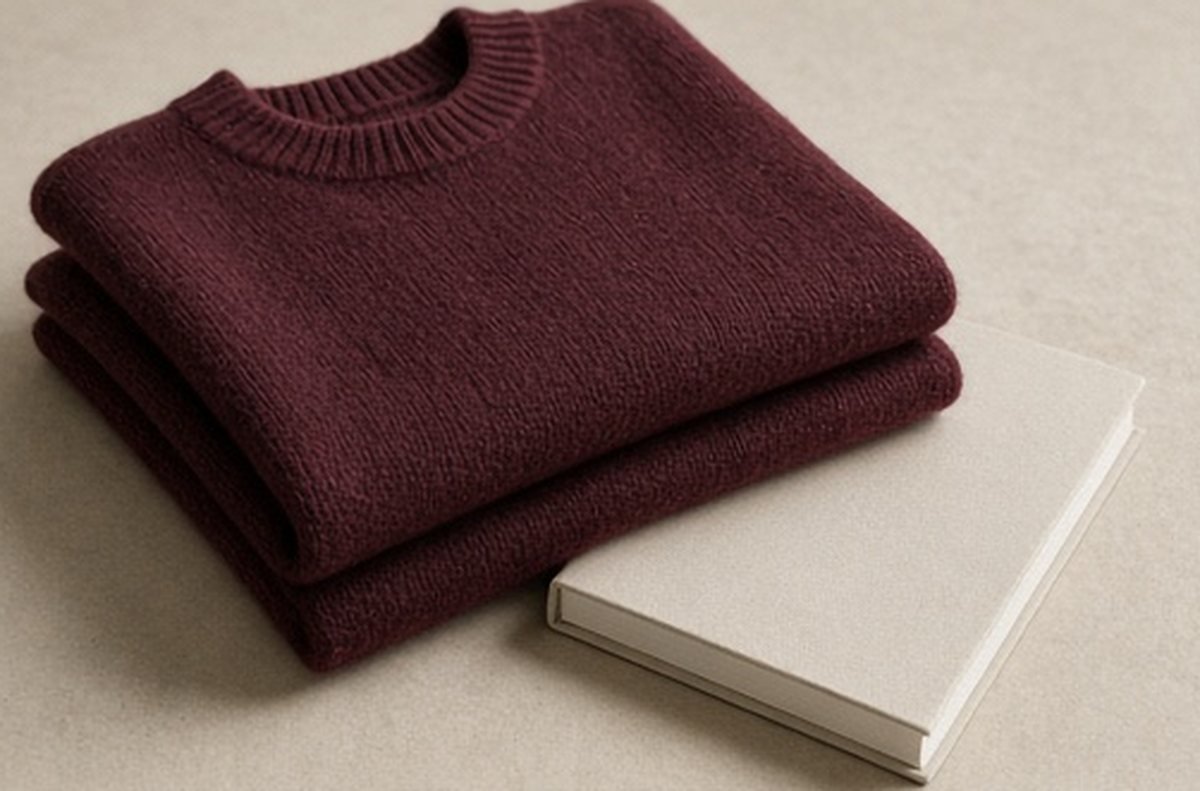
Read the exact washing and drying instructions. Do not assume every merino item can share a machine cycle or tolerate the same treatment. Blends, trims and construction can change requirements. If the trip cannot support appropriate care, choose accordingly.
A short break may need no laundry for a particular outer layer, while a longer active trip may create repeated cleaning needs. Base the decision on activities and actual condition rather than a promised number of wears. Repeat-wear claims should never override visible soil, odour or your comfort.
Do not depend on uncertain drying
A garment's drying time varies with construction, moisture and conditions. A humid room may not deliver the overnight result you imagined. Seams, cuffs and thicker sections can remain damp after the main surface feels dry. Build a buffer rather than relying on a category reputation.
If a key layer must be washed immediately before moving accommodation, consider another piece or carry a suitable backup. Packing light should not require your only comfortable outfit to become available on a precise schedule. Reliability matters as much as compressed volume.
Match the activity rather than the story
Think about abrasion, dirt, required protective equipment and the clothing guidance relevant to your plans. This general wardrobe guide is not a substitute for specialist advice about demanding outdoor activities or occupational protection. Choose equipment appropriate to the task.
A delicate everyday top may be a poor choice for rough use regardless of the fibre. Conversely, a robust garment may be unnecessarily heavy for a quiet city visit. Read actual specifications and consider your experience instead of treating all merino pieces as interchangeable travel tools.
Respect the other clothes in the bag
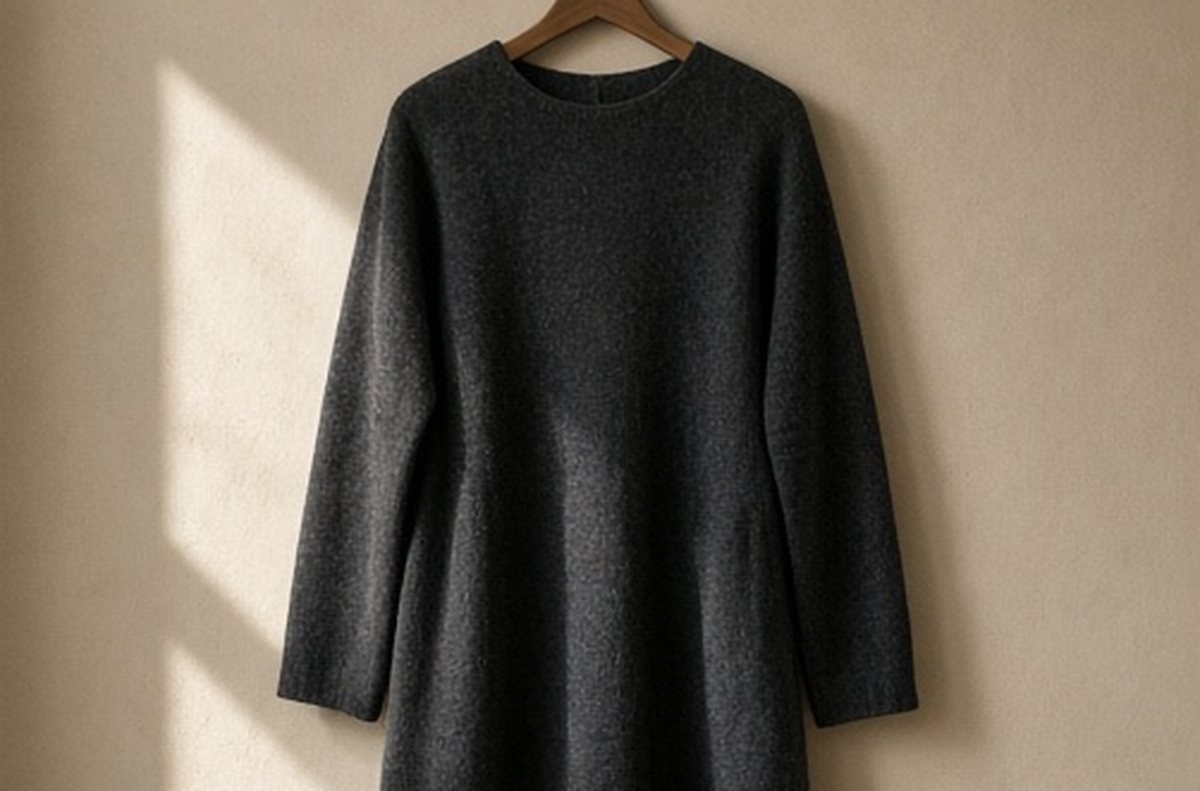
A piece may be comfortable alone yet awkward beneath your outerwear or incompatible with the rest of the capsule. Try the complete outfit with underwear, shoes and bag. A bulky sleeve or restrictive combination can undermine an otherwise appealing garment.
If choosing merino requires extra layers you would not otherwise carry, compare the whole system with an alternative. A cotton top or another familiar material may create a simpler arrangement for your particular trip. There is no need for a universal winner.
Consider what you already own
Do not replace functioning travel clothes merely to make the packing list more fashionable or theoretically efficient. Use existing pieces when they meet the requirements. A new fibre label does not make an old comfortable shirt obsolete.
If replacement is genuinely needed, write a brief from the trip: climate, movement, preferred feel, measurements and care access. That approach allows several materials to compete on relevant terms. It also makes it easier to recognise a good option without becoming attached to a brand story.
Read brand information narrowly
Per the brand, Unbound Merino's official website lists travel-oriented clothing categories including tops, trousers and knitwear. The range can provide research options, but it does not establish that every item shares a composition or suits every activity and wearer.
Check individual listings and labels. This article is not a hands-on review of Unbound Merino products and does not make a universal claim about warmth, comfort or wash frequency. A brand's description should help frame questions, not decide the answers in advance.
Keep the decision reversible
After the trip, record what worked and what did not. One unsuccessful garment need not rule out an entire fibre forever, and one successful piece need not turn every future purchase into merino. Use the specific evidence: fit, construction, climate and maintenance.
The point is not to argue against a useful material. It is to keep packing grounded in your own life. Merino earns a place when the particular garment supports the trip. Leaving it out when another piece works better is just as thoughtful a decision.
Brand source
Category references are per Unbound Merino's official website. Verify current product specifications and care separately; no independent performance test is claimed.