
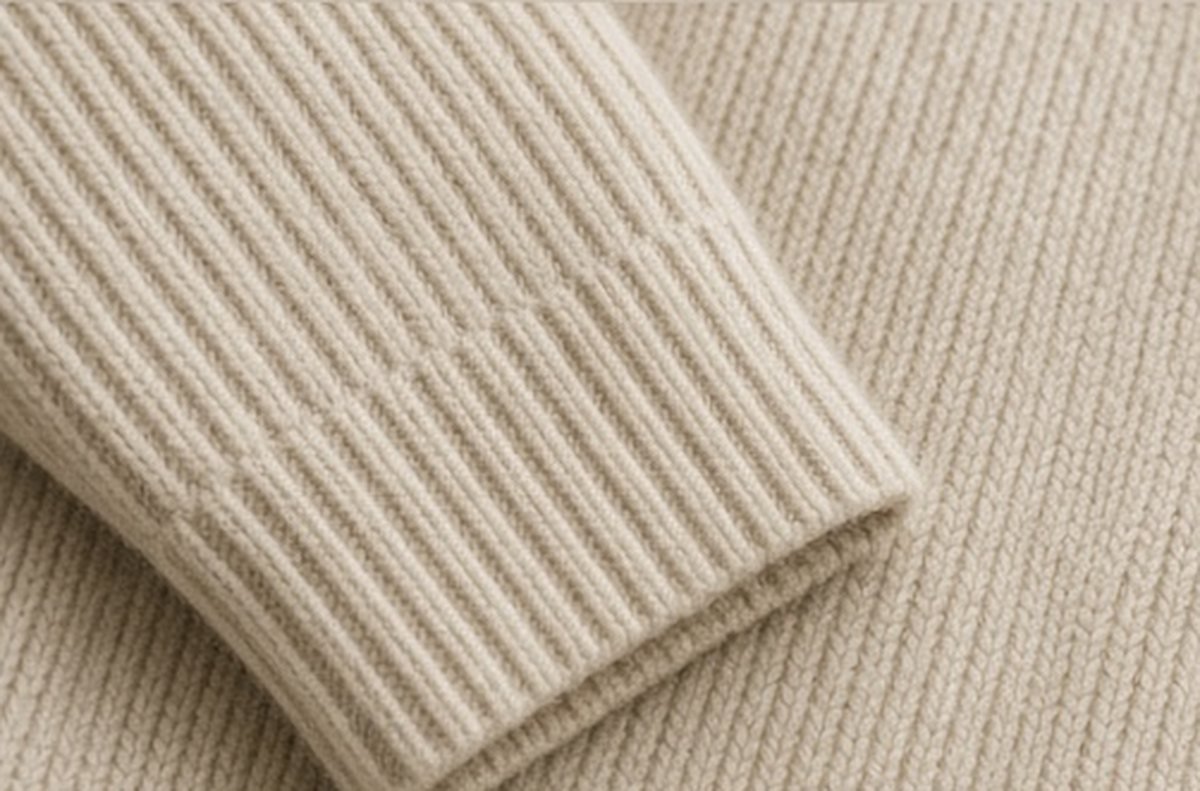
Merino is often described as soft, but a fibre's reputation cannot promise how a particular garment will feel on your skin. Some people enjoy it directly against the body; others prefer a layer underneath or choose different materials altogether. If a top feels irritating, you do not need to tolerate it to build a thoughtful wardrobe.
Begin by separating ordinary garment discomfort from a persistent skin problem. This article is a clothing checklist, not medical advice or a way to diagnose an allergy. If you develop a rash, ongoing itching or another concerning reaction, stop wearing the item and seek appropriate professional guidance. A brand's comfort claim is not a reason to ignore your body.
Notice where the discomfort occurs
A scratchy feeling across the fabric may be different from rubbing at a shoulder seam, label or tight collar. Note the location and when it begins. Does it happen immediately, only during movement or after you become warm? Those observations can help you decide whether another fit, construction or material would be more suitable.
Inspect labels and seam finishes without cutting anything off during a return-eligible try-on. A localised problem may involve construction rather than the whole fibre category. Equally, if the fabric itself feels unpleasant over a broad area, do not assume removing a label will transform the experience. Identify the likely source before changing the garment.
Check the exact composition
Read all fibre percentages on the listing and label. Merino garments can include other fibres, and panels or trims may have separate compositions. The brand's name or product family does not tell you the full construction. Keep that information with your notes so you can make meaningful comparisons later.
A blend is not automatically more or less comfortable. Stretch, texture, finish and cut all contribute to the experience. Avoid turning one successful or unsuccessful garment into a rule about every possible blend. Your aim is to find a specific combination that works, not to rank materials using a single word.
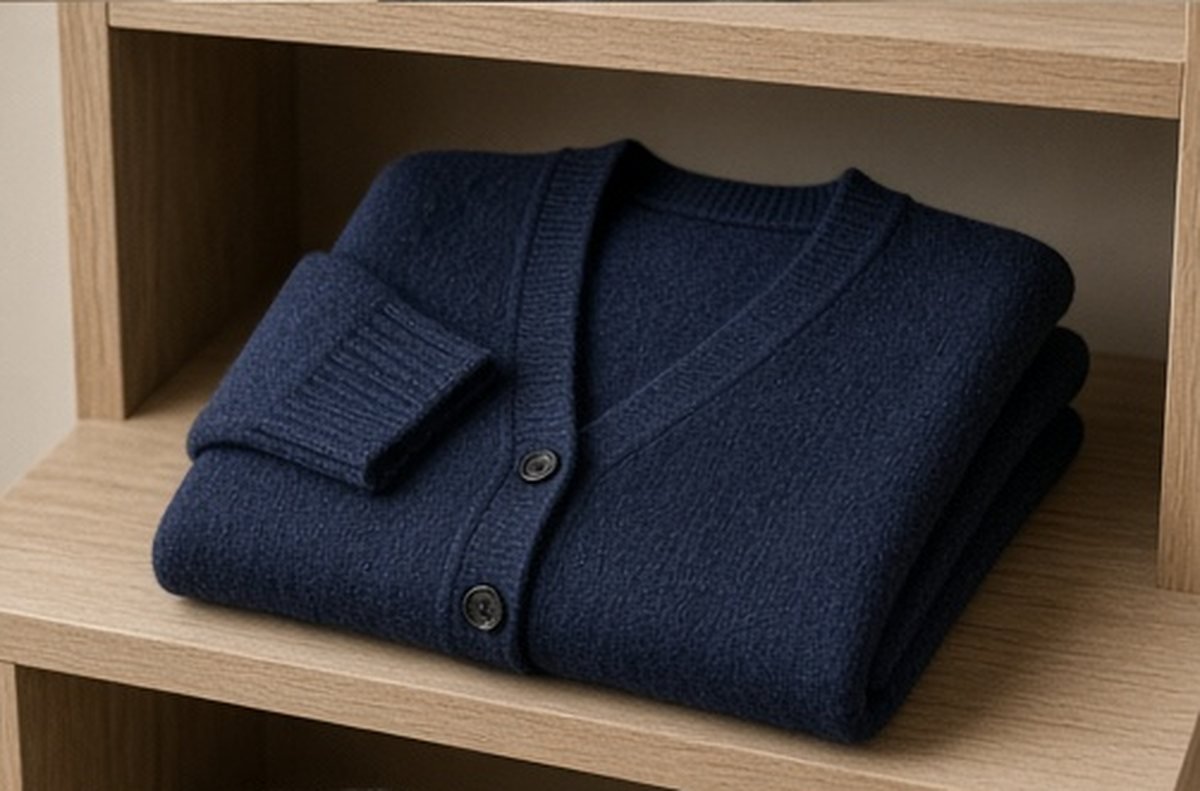
Compare fit with a comfortable base layer
A close-fitting top may increase contact at the neck, underarms and elbows. Try the intended size with normal movement rather than judging only while standing still. If the garment pulls across the shoulders or compresses the upper arms, fit may be contributing to the problem.
Going larger is not always the answer. Excess fabric can bunch beneath another layer or rub under a bag strap. Compare actual garment measurements and the intended cut. The useful fit is one that allows your planned activity comfortably, not simply the largest size or the closest silhouette.
Test the full layering combination
If you intend to wear a thin cotton layer underneath, test it with the merino piece before committing. Check the neckline, sleeves and hem for coverage and bulk. A comfortable underlayer may make the combination work, but it can also change warmth, packed weight and the number of garments you need.
Be honest about whether that system suits your trip. If you chose merino specifically to reduce layers but cannot enjoy wearing it directly, another material might be simpler. There is no prize for making a theoretically efficient capsule work through extra effort. Your actual comfort is the relevant outcome.
Avoid relying on a promise of breaking in
Some garments change with appropriate washing and wear, but there is no universal guarantee that an irritating top will become pleasant. Do not remove return tags or wash a new piece merely because you hope discomfort will disappear. Understand the seller's return conditions and the care label first.
Similarly, avoid applying improvised softening treatments to a garment you may return or to a borrowed piece. Products can affect fabric behaviour, leave residue or fall outside care guidance. Follow the manufacturer's instructions, and do not treat an online anecdote as proof that a method is suitable for your particular garment.
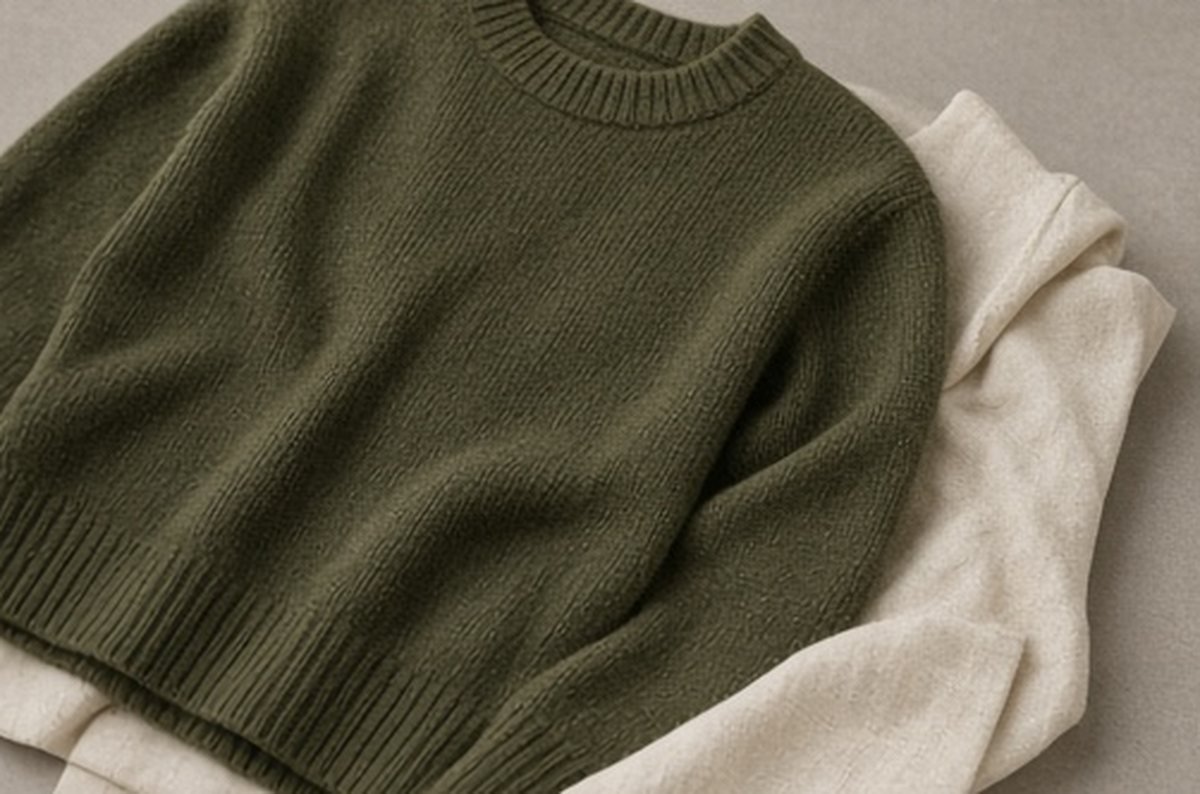
Distinguish a short try-on from real use
A few comfortable minutes indoors cannot establish how a top will feel during a long walk with a backpack. Where a retailer's conditions permit, a careful indoor movement test can reveal some problems, but it is not equivalent to a full outdoor trial. Keep the limits of the assessment visible.
For a garment you already own, use a low-stakes day before depending on it for travel. Have an alternative available. Record how the piece feels with heat, movement and your usual layers, and stop the test if it becomes uncomfortable. The point is learning, not proving the purchase was correct.
Read brand language as a starting point
Per the brand, Unbound Merino's official website offers categories including T-shirts, long sleeves and knitwear. Those categories provide options to research, but they do not establish that every garment will suit every wearer. Inspect the exact product's composition, sizing and care information.
Customer comments may help identify questions, but another person's description of softness is not a substitute for your own experience. Nor does a high price guarantee comfort. This guide is not a hands-on assessment of Unbound Merino products and makes no medical or universal skin-compatibility claim.
Keep useful alternatives in the conversation
Cotton, linen, synthetic fabrics and other blends can each have a role depending on the activity, climate and your preferences. Evaluate the complete garment and its care requirements rather than searching for one universally superior fibre. A travel top that you willingly wear is more useful than one you constantly adjust.
If merino works for you, keep a record of the specific fit and composition so future research is more focused. If it does not, that is equally valuable information. A considered wardrobe does not require loyalty to a material that makes your day less comfortable.
Brand source
Range references are per Unbound Merino's official website. Individual comfort is not guaranteed, and persistent skin symptoms warrant appropriate professional advice.