
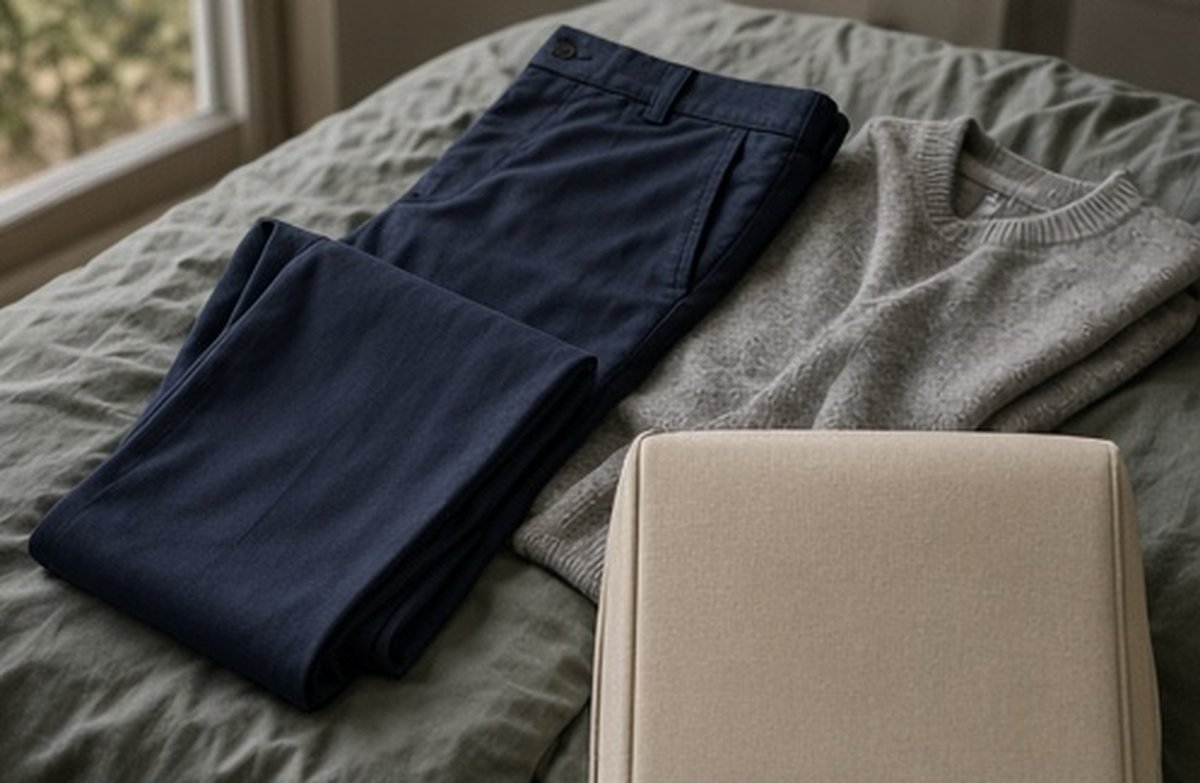
A journey crossing two climates can make a light packing list feel unrealistic. Warm afternoons at one stop and cold evenings at another seem to demand separate wardrobes. The more useful approach is to identify what can genuinely be shared, then add the weather-specific pieces that should not be compromised.
Start with the destinations, activities and timing rather than a universal item count. This is a general wardrobe method, not specialist equipment advice. If part of the trip involves demanding outdoor conditions or another safety-sensitive activity, use appropriate guidance and equipment for that requirement.
Map each stop independently
Record likely temperatures, rain, wind, indoor conditions and planned activities. Use current information close to departure and recognise the forecast's limits. A city with cool mornings and heated buildings can create different needs from a destination spent mostly outdoors.
Do not let the warmest photograph or coldest predicted moment define the entire bag. Identify the conditions you will spend meaningful time in and the transitions between them. This gives the clothing system a realistic brief rather than a collection of vague just-in-case pieces.
Find the honest shared core
Choose familiar tops and bottoms that work at both stops with suitable layers. Fit, comfort and compatible shoes matter more than belonging to one fibre category. A piece that only works in an imagined outfit is not part of the shared core yet.
Try complete combinations at home. Check movement, neckline interactions and whether a bottom remains comfortable with any intended base layer. Sharing clothes across climates is useful only when the actual combinations work, not when the colour palette looks coordinated on a bed.
Keep weather protection separate
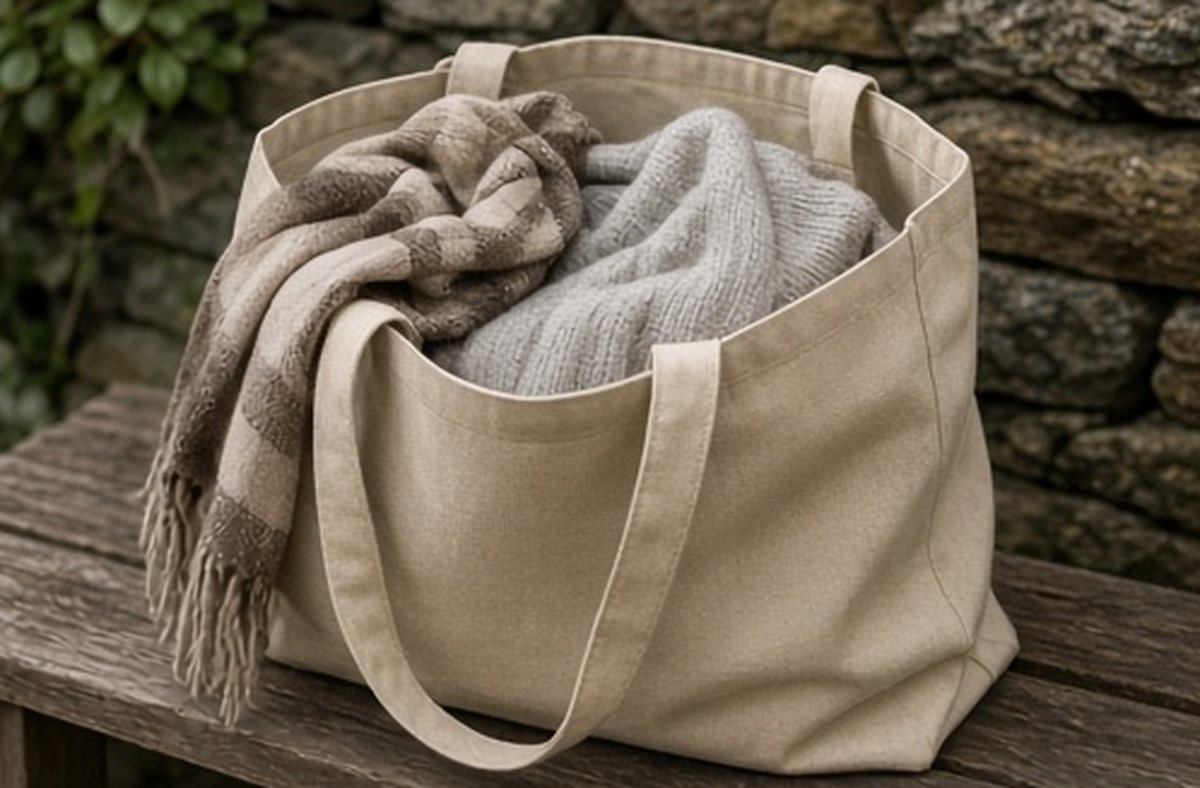
A warm layer and rain protection perform different jobs. Do not assume a substantial knit replaces a suitable shell or a light shell provides enough insulation. Read relevant specifications and test the combined fit with your normal bag.
For cold conditions, avoid choosing inadequate protection solely because it compresses neatly. The packing list exists to support the trip, not to prove a small-bag target. Some routes justify dedicated pieces that are rarely used elsewhere in the itinerary.
Check removable layers in practice
Put the system on and take layers off again. Does the remaining outfit feel comfortable and appropriate? Can the removed piece be carried without taking over the bag? A layered plan needs to work during transitions, not only at the coldest point.
Check sleeves and shoulders together. A base top, cardigan and fitted coat may each be comfortable alone yet restrictive as a group. Adjust the combination before buying more clothing. Sometimes a different existing layer solves the interaction more simply.
Choose footwear with the route
List the walking, surfaces and dress requirements at each stop. One pair may cover both, or the itinerary may reasonably need another. Do not assume a versatile-looking shoe provides every kind of comfort or protection.
Test hems with the intended footwear and avoid relying on untested shoes for long days. If a second pair is needed, include its packed space honestly. Ignoring it in the diagram does not make it disappear from the luggage.
Plan laundry where it actually exists
A shared core gets worn more frequently, so cleaning access can become important. Verify facilities, hours and drying options instead of assuming you will find a convenient wash somewhere. Put the session before the last clean outfit and allow a buffer.
Read care labels across the proposed load. Do not force incompatible garments into one process merely to preserve a small item count. If a piece needs care unavailable on the trip, decide whether it can be used without cleaning or whether another option is more practical.
Arrange weather-specific pieces according to when they will be needed, keeping the next stop's essential layer accessible. If luggage must be opened in a small room or during a transfer, a clear layout can save more effort than a beautifully compressed arrangement that hides the useful garment at the bottom.
Keep the transit outfit independent
The journey between climates may involve cooled cabins, waiting outdoors or luggage delays. Choose an outfit that handles those known conditions comfortably and keeps a suitable layer accessible. Do not bury the only useful warm piece beneath everything else.
Carry enough essentials for your own comfort if other luggage is delayed, following relevant baggage and security rules. A modest reserve can make the main wardrobe more resilient without requiring an entire second collection. Base the buffer on plausible disruption.
Separate wet and clean items
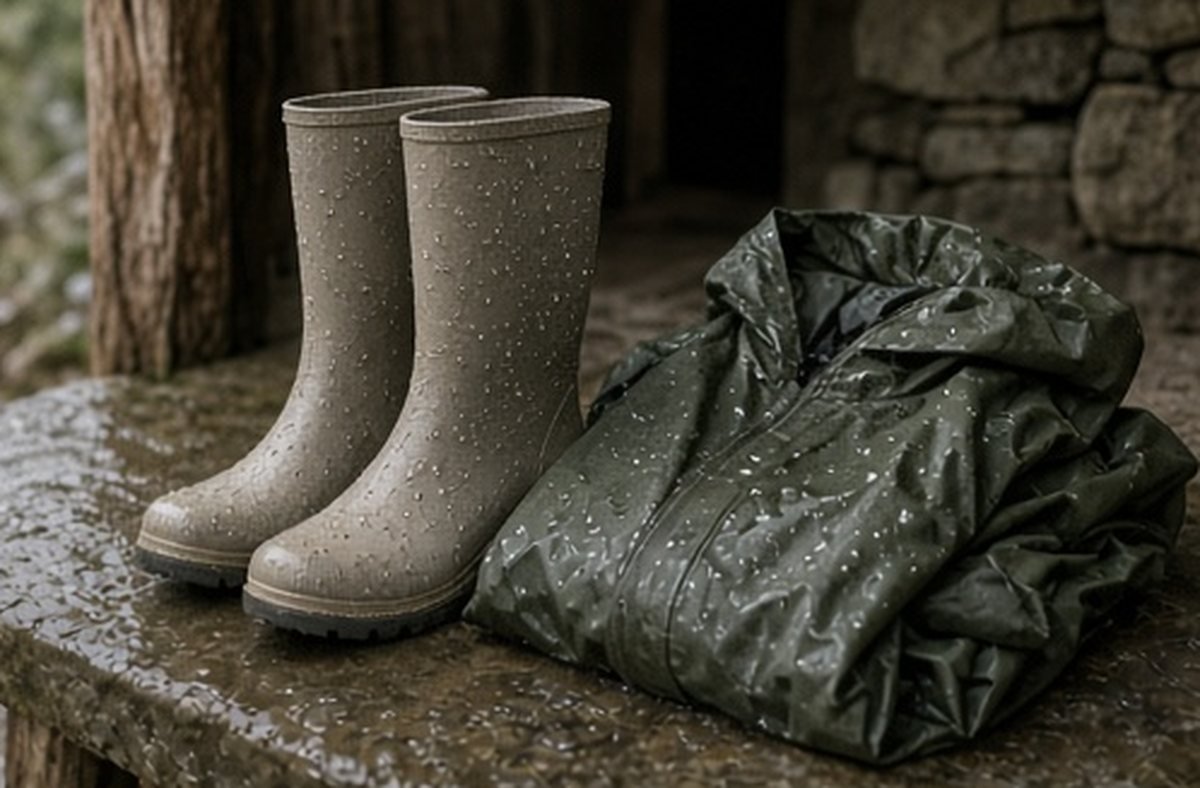
If weather leaves a garment damp before moving on, plan temporary separation from clean clothes and vulnerable belongings. Containment during transport is not drying. Unpack and address moisture promptly when practical, following the garment's instructions.
Leave some flexibility in the bag. A system that only closes when every piece is perfectly dry and folded may be fragile in real travel. Space for ordinary mess can be more useful than another carefully selected outfit.
Remove the weakest assumptions
Review the list and identify what must go exactly right: overnight drying, one pair of shoes never getting wet or a layer feeling comfortable without testing. Improve those weak points before cutting another garment. Reliability matters as much as volume.
After the trip, note which pieces crossed climates successfully and which had a narrow but essential role. That evidence will improve future packing more than a universal capsule formula. A good multi-climate wardrobe shares what can be shared and respects the requirements that should remain specific.