
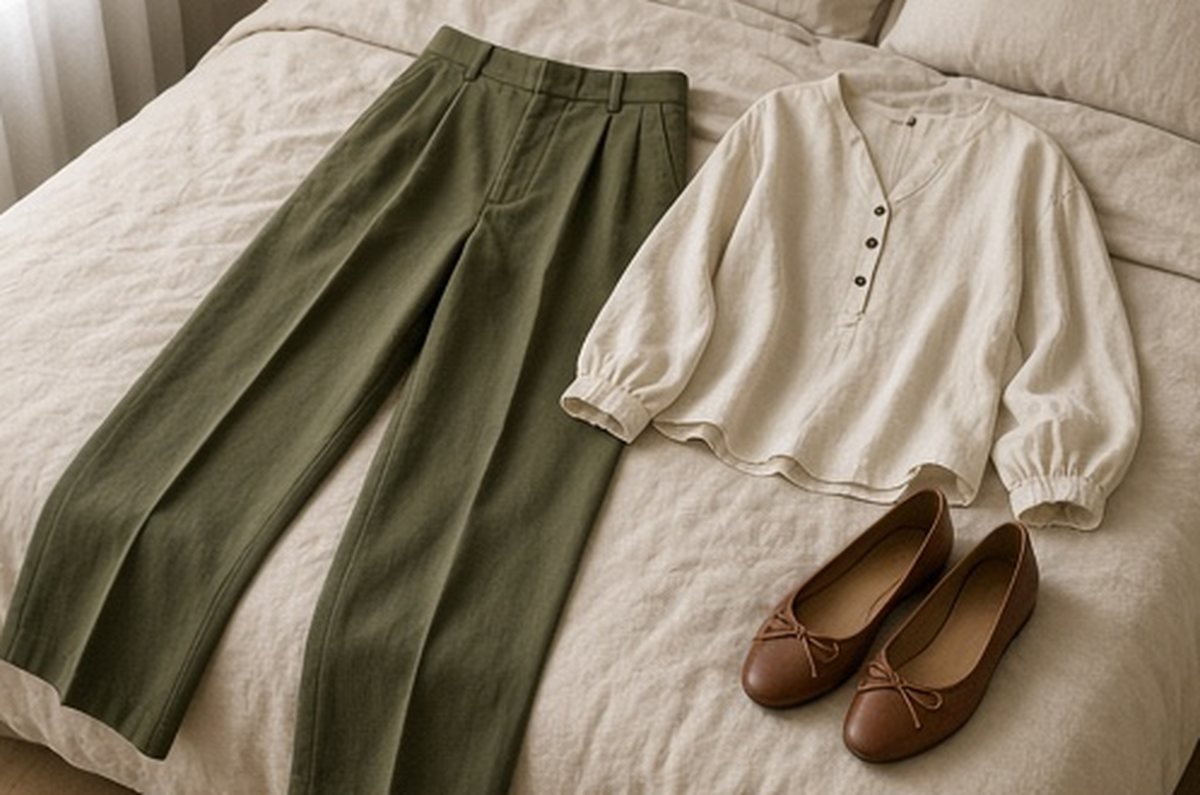
A clothing swap can help useful garments find another wearer without turning every wardrobe gap into a purchase. It can also become an awkward transfer of unwanted projects if expectations are unclear. A small, thoughtful arrangement begins with condition, choice and a realistic plan for anything left over.
This is a general guide for considering a swap, not a requirement to organise one. If you take part, follow the organiser's actual rules and ask before bringing unusual items. A successful exchange is measured by useful matches, not the number of bags moved between homes.
Clarify what is welcome
Agree on the broad categories and acceptable condition before people sort their wardrobes. Everyday clothing, occasionwear, accessories and repair projects may need different expectations. An item can be valuable in one context and unsuitable in another.
Do not assume a free exchange means every garment should be accepted. Participants may have limited space, time and repair skills. Clear boundaries make it easier to bring things someone can realistically use rather than transferring an unresolved maintenance task.
Inspect before offering
Check collars, cuffs, underarms, hems, fastenings, linings and pockets. Look for marks, odour, wear and known alterations. A garment should be described as it is, not as it might become after work another person has not agreed to do.
Clean and dry items appropriately according to their care needs. If safe cleaning is uncertain, disclose that and check whether the item is welcome. Fragrance does not replace removing dirt, and a damp garment should not be sealed into a bag for an indefinite period.
Before offering a garment, empty every pocket and check for private receipts, keys or personal notes. If photographs will be shared beyond the group, obtain the relevant permission and avoid including people or identifying belongings unnecessarily. Reuse should not require anyone to surrender privacy alongside a shirt or coat.
Make condition notes simple
A short description can identify a small repair, shortened hem or missing component. Use factual language rather than minimising a problem with phrases such as easy fix when you have not assessed it. Someone else may still want the piece, but they need a clear choice.
Keep notes associated with the correct garment. A loose card lost among several items is less useful than a simple, secure identification method that does not damage fabric. You do not need a professional catalogue; unusual limitations simply need to remain visible.
Leave fit judgement to the wearer
Size labels can help sorting, but they do not guarantee fit. Offer current measurements or construction details where useful and known. Avoid commenting on another person's body or pressuring them to try something because you think it should suit them.
If try-ons are part of the arrangement, respect privacy and the organiser's facilities. If no suitable option exists, accept that uncertainty remains. No one should feel obliged to take a garment merely because it was offered enthusiastically.
Keep the exchange fair without making it rigid
Different swaps use different systems, from informal sharing to stated item limits. Follow the agreed method. Do not invent a value hierarchy based solely on original price, brand reputation or how much you personally liked the garment.
At the same time, participants should understand any actual limits before taking part. Clear expectations avoid hidden obligations. A relaxed exchange works best when people know whether they can take nothing, bring little or leave with fewer items than they offered.
Avoid turning choice into pressure
Give people room to look and decline. Repeatedly explaining why a garment is perfect can make refusal uncomfortable. An item needs an enthusiastic next wearer, not a polite acceptance that sends it into another unused cupboard.
Respect a decision to take nothing. A swap is not more successful because everyone leaves with a full bag. Someone may learn that their wardrobe already meets its needs, which is a useful outcome even without an exchange.
Keep components and care information together
Include detachable belts, liners and other relevant parts, and identify anything missing. If a care label has faded, share any reliable record you have without presenting guesses as instructions. The recipient needs enough information to maintain the garment appropriately.
Do not promise universal care because a fibre sounds familiar. Linings, dyes, trims and construction can change requirements. If there is genuine uncertainty, say so. A clear limitation is more helpful than confident advice that could damage the piece.
Plan leftovers before they accumulate
Decide who remains responsible for unclaimed items and what happens next. Do not assume another participant or organiser will store everything. A swap should not quietly become a donation collection without a suitable receiving route.
Check current acceptance rules for any organisation considered afterward. Do not leave bags outside closed premises or claim that every textile will be recycled into new clothing. Choose a supported route and describe its limits honestly.
Learn from what changes hands
Notice why your own pieces had stopped working: fit, care demands, changed activities or duplication. Those observations can improve later buying decisions. Someone else's enthusiasm for a garment does not mean you were wrong to let it go.
The best small clothing swap preserves freedom on both sides. You can offer an item honestly, another person can choose it knowingly, and either can decide not to proceed. Clear condition and genuine choice make reuse more likely than a large pile of clothing with unclear expectations.