
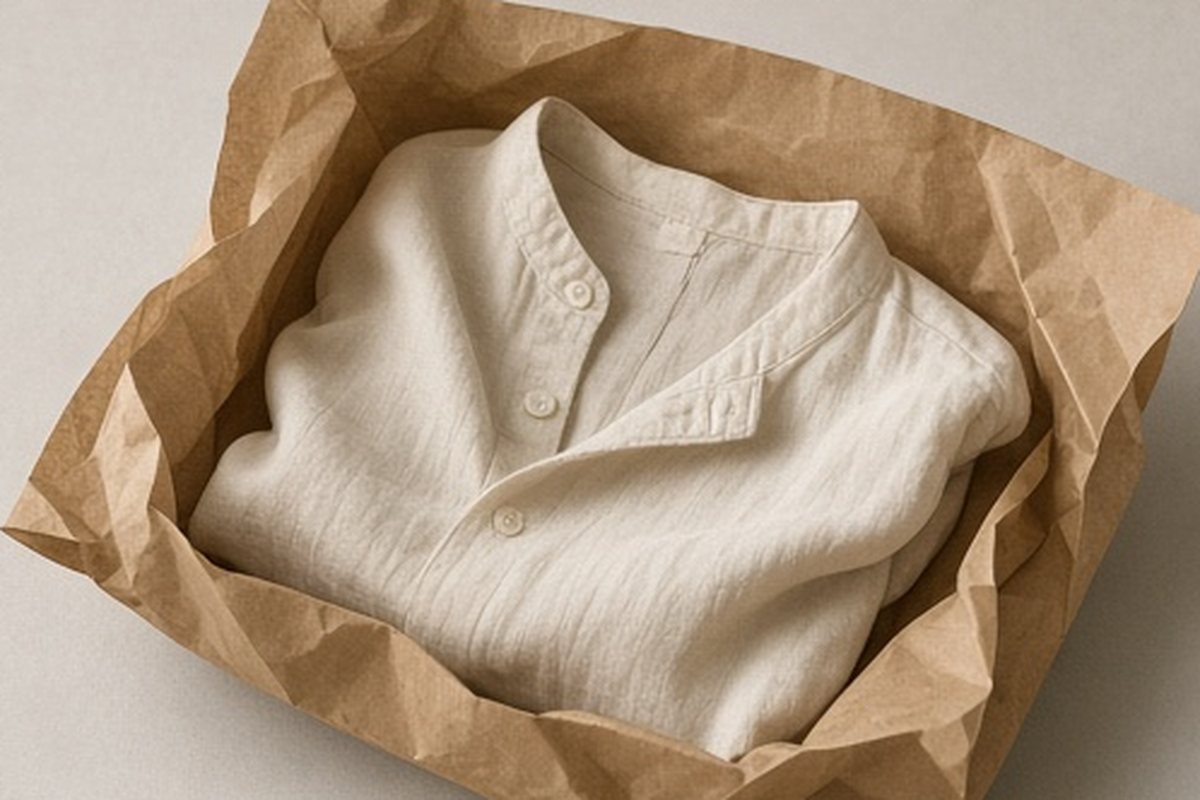
Clothes can stop fitting comfortably for many ordinary reasons. Bodies change, preferences shift and garments themselves can alter through wear or care. When that happens, the useful response is a workable wardrobe for the present, not a judgement about the person wearing it. Begin with comfort and actual daily needs.
You do not need to replace everything immediately or force yourself into pieces that make the day difficult. A small assessment can separate clothing that works now, items worth an informed alteration opinion and pieces that need time or a different role. The goal is practical support rather than a dramatic reset.
Start with today's activities
List what you need to do over the next week or two: work, errands, home time and any specific occasion. Identify the minimum comfortable outfits those activities require between laundry days. This gives the task a manageable boundary.
Avoid making decisions for every imagined future version of your life. The current wardrobe needs to support the body and routine you have now. Longer-term uncertainty can remain without preventing you from assembling clothes that make tomorrow easier.
Find what works without negotiation
Try plausible pieces with normal underlayers and movement. Sit, reach and walk rather than assessing only appearance. Choose garments that do not require breath-holding, constant adjustment or an unnatural posture to feel acceptable.
Keep the language neutral: tight at upper arm, waistband uncomfortable while seated or more volume than preferred. These describe a relationship between garment and wearer. They do not describe personal success or failure. The clothing is the object being evaluated.
Adjustable details can be helpful, but test them in use rather than treating them as unlimited flexibility. An elastic waist, tie or wrap still has a comfortable working range. Sit and move with the adjustment you actually intend to use, and reject pressure or instability that makes the day harder.
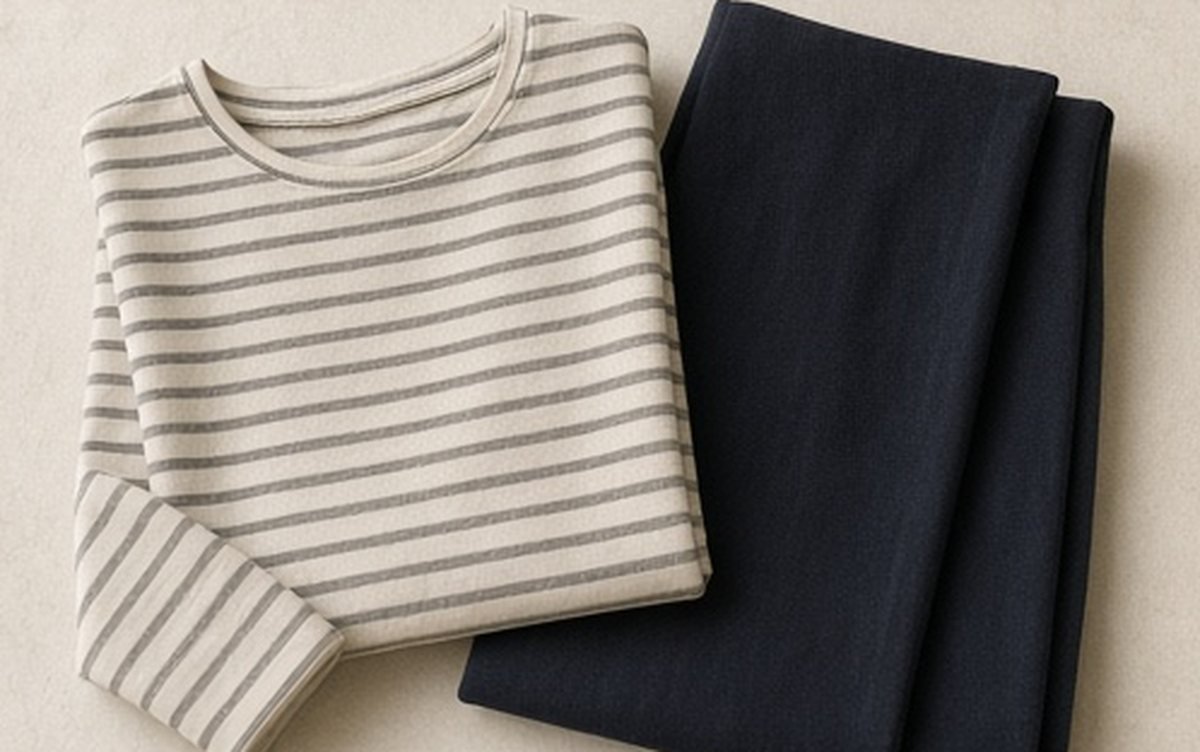
Build a small active rotation
Put the comfortable pieces where they are easy to find. Make complete outfits with suitable shoes and layers so the useful selection is visible. A wardrobe full of unavailable options can feel harder to use than a smaller clearly arranged group.
Leave enough room for cleaning and drying rather than reducing the rotation to an unrealistic minimum. Underwear, socks and activity-specific clothing may need their own calculation. A practical capsule should reduce stress, not make every spill a laundry emergency.
Separate alteration possibilities
Some garments may become useful through professional work, but not every fit issue has a simple solution. Seam allowance, construction, lining and placement of pockets or closures can limit changes. Ask for an assessment rather than assuming fabric can always be added or removed easily.
Explain the desired comfort and use, and obtain a realistic quote and turnaround. Do not commit to alterations merely to preserve a size label or a past purchase decision. The finished garment needs a credible role in your present life.
Keep uncertain pieces out of the daily obstacle course
If you want to retain some clothes for later reassessment, store them accessibly and clearly rather than leaving them among everyday choices that repeatedly disappoint. There is no need to make an immediate permanent decision about every item.
Set a sensible limit according to space and your preferences. Keeping a small meaningful group differs from retaining an entire uncomfortable wardrobe by default. The arrangement should support your peace of mind, not create a new obligation to become a particular size or shape.
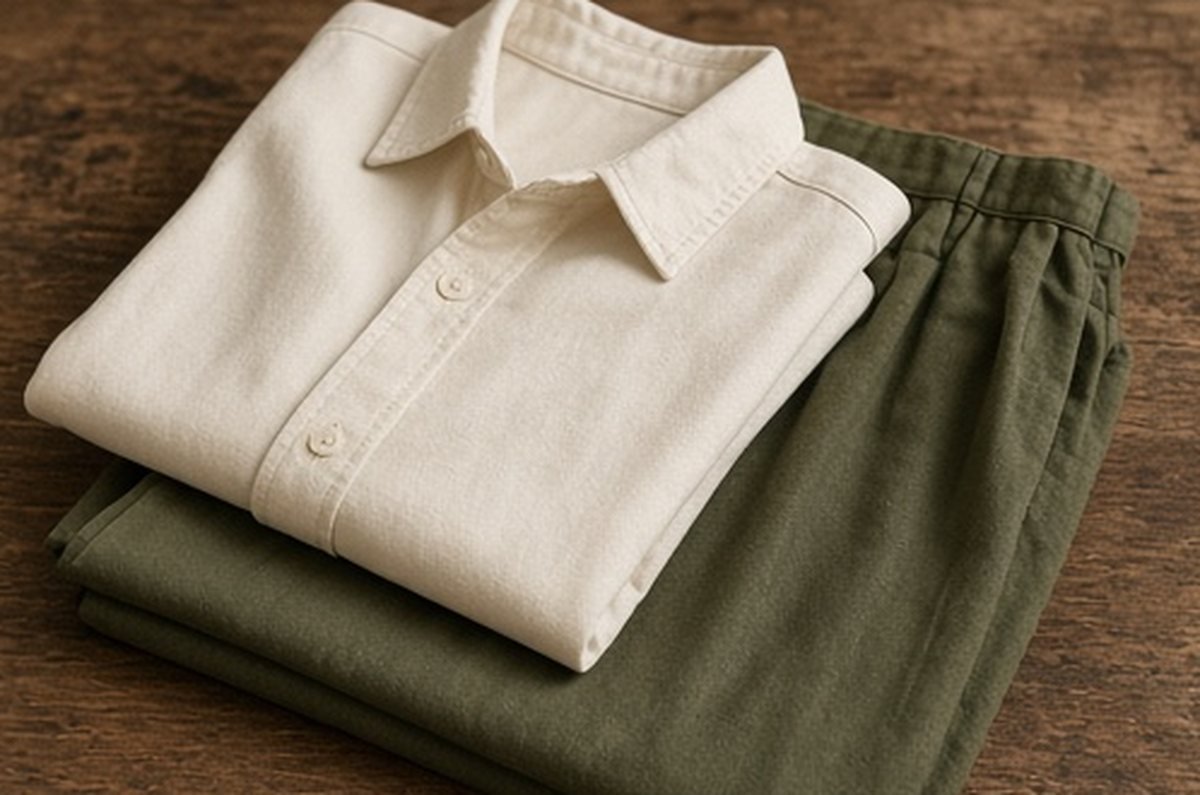
Identify a genuine purchase gap
Only after trying and arranging existing options should you describe what remains missing. Use functions and measurements: comfortable trousers for sitting, a layer with sufficient sleeve room or a top that works with current bottoms. A clear brief reduces speculative shopping.
Consider suitable secondhand or repair routes where realistic, without treating them as mandatory regardless of availability or need. Your time, access requirements and comfort matter. The most thoughtful choice is one you can actually use, not a theoretically ideal option that does not fit.
Treat labels as references, not verdicts
Different brands and cuts can use size labels differently. Compare relevant charts and current garment dimensions rather than expecting one letter or number to be consistent. A change in label does not establish a meaningful judgement about you.
If shopping or trying on becomes distressing, pause and use the comfortable rotation already identified where possible. You do not need to solve the whole wardrobe in one session. This guide is practical clothing advice, not medical or psychological treatment. Seek appropriate support if you need it.
Check maintenance and outfit compatibility
A replacement should work with the shoes, layers and care routine you have. Avoid buying a garment that solves one fit issue but requires several other purchases or maintenance tasks you cannot manage. Try complete combinations before deciding.
Keep return conditions in mind and leave tags attached during permitted indoor assessment. Do not alter or wash a new item in the hope that it will become comfortable unless you have chosen to keep it and the care guidance supports the method.
Let the wardrobe change gradually
After a few ordinary weeks, note which pieces are used willingly and what still creates friction. Adjust the rotation with that evidence. There is no requirement to define a permanent style identity during a period of change.
A useful wardrobe meets the wearer where they are. Comfortable current outfits, realistic alteration decisions and a small clear gap list can provide that support without a wholesale replacement. The goal is not making your body fit the cupboard; it is making the cupboard useful to you.