
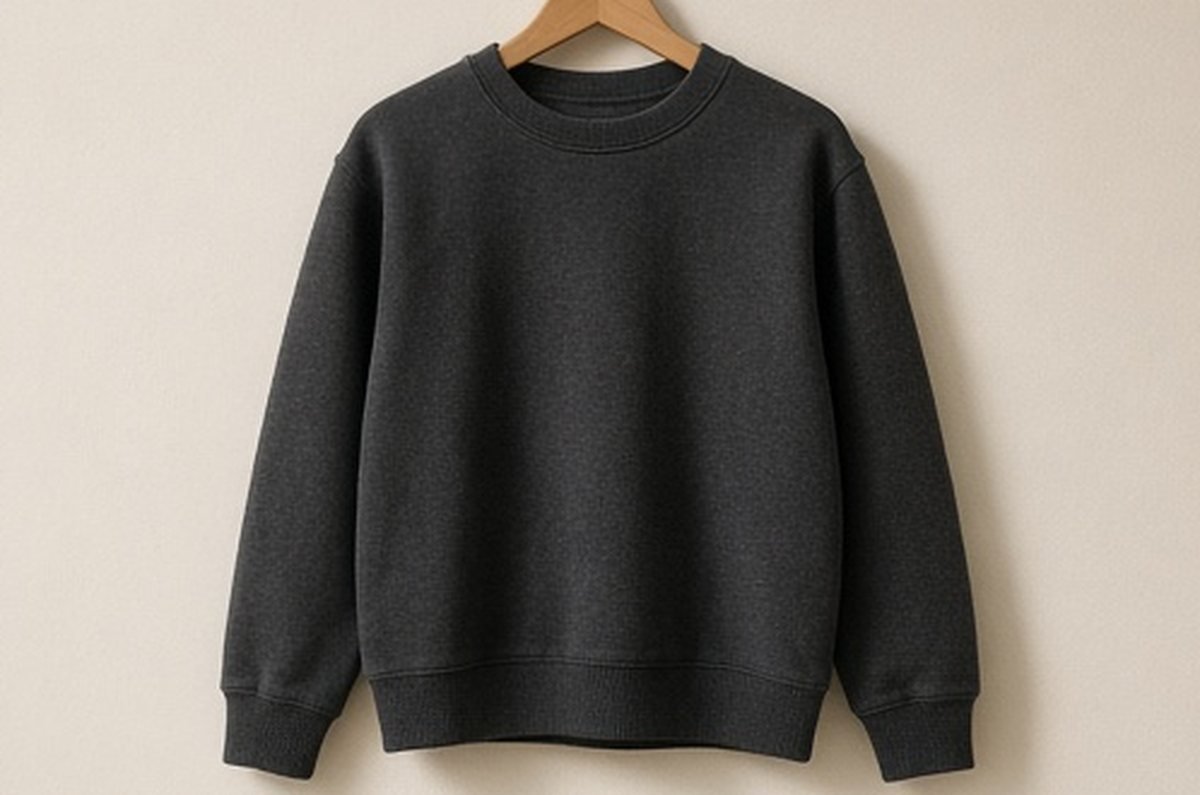
A lightweight knit can be useful when you want a layer that feels less bulky than a heavy sweater but more substantial than a simple top. The important details are not all visible in a photograph. Fit, construction and care determine whether it becomes a reliable part of your week. A material story should support those checks rather than replace them.
Per the brand, INDIGENOUS's official website presents lightweight knits and organic Pima cotton clothing, with categories including tops, dresses and bottoms. These are the brand's descriptions of its range. They do not establish the exact composition, feel or care of every individual garment.
Choose the layer's main role
Decide whether the piece is for a cool office, home, travel or a particular outfit. Include the temperature changes and movement involved. A knit that works beautifully at a desk may need a different system outdoors, and a travel layer should fit beneath the coat you actually take.
Write the role before browsing too widely. A clear brief helps you compare options rather than collecting attractive cotton pieces with no defined place in the wardrobe. Existing clothes may already solve the problem once they are tried in the right combination.
Read the particular fibre information
Find the full composition on the exact product, including separate details for any trim or lining. Do not assume a brand's prominent cotton story describes every component identically. A general natural-fibre statement is not a complete garment specification.
The name Pima cotton does not by itself establish fabric weight, opacity, stitch security or final fit. Those questions need additional information. Keep the useful material description while resisting the temptation to make it answer unrelated concerns.
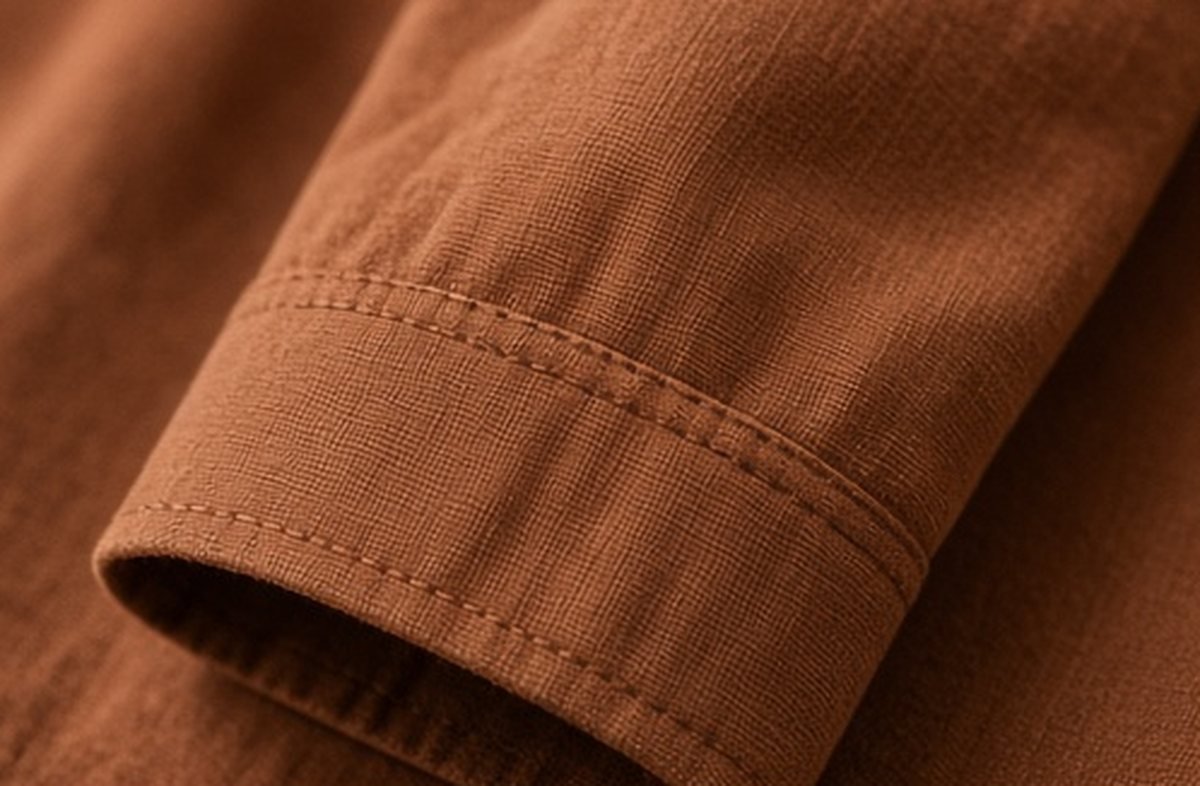
Look at knit structure and shape
Inspect close-up photographs where available and identify the intended silhouette. A fine, open structure can behave differently from a dense one, while a shaped body differs from a roomy design. Fibre identity alone cannot predict the finished garment's drape.
If the information is limited, ask concrete questions about measurements and construction rather than simply whether the item is high quality. A specific question is easier to answer accurately and makes any remaining uncertainty visible in your decision.
Compare with a comfortable reference
Measure a similar garment you already wear willingly. Note chest width, length and sleeves where relevant, keeping garment measurements separate from body charts. A familiar size label is not a guarantee across different cuts or product versions.
Think about the areas that usually determine comfort for you. A loose torso can coexist with narrow sleeves or a neckline you dislike. Compare the whole pattern rather than letting one generous measurement settle the question.
Test the layers together
Use your normal underlayer, then add the knit and intended outerwear. Sit, reach and carry your usual bag. Check for bunching, pressure and seams that become noticeable beneath straps. A comfortable standalone garment can feel different inside a complete outfit.
If you plan to remove the knit during the day, assess the remaining outfit and how you will carry it. A layer's usefulness includes transitions and storage, not merely how it looks while worn. Keep the arrangement practical for your own routine.
Keep artisan claims in their proper scope
Per the brand, INDIGENOUS describes working with Peruvian artisans and discusses handmade clothing techniques. Those statements provide context for its approach, not an independent assessment performed for this article. Product-level details still matter.
When reading any labour or certification claim, inspect the specific wording and supporting explanation. Do not turn a broad company story into an assumption that every item has an identical production history. This guide does not independently verify certification status or comparative environmental outcomes.
Read care before committing
Find washing, drying and storage instructions for the garment. Knits can need handling that differs from a familiar woven cotton shirt. Do not choose a method solely because the main fibre sounds washable or because another product from the brand tolerated it.
Consider available drying space and the speed of your rotation. If the piece will be worn frequently, it needs a maintenance plan you can sustain. A modest backup layer can allow appropriate care without making the whole week depend on one item.
Inspect useful details
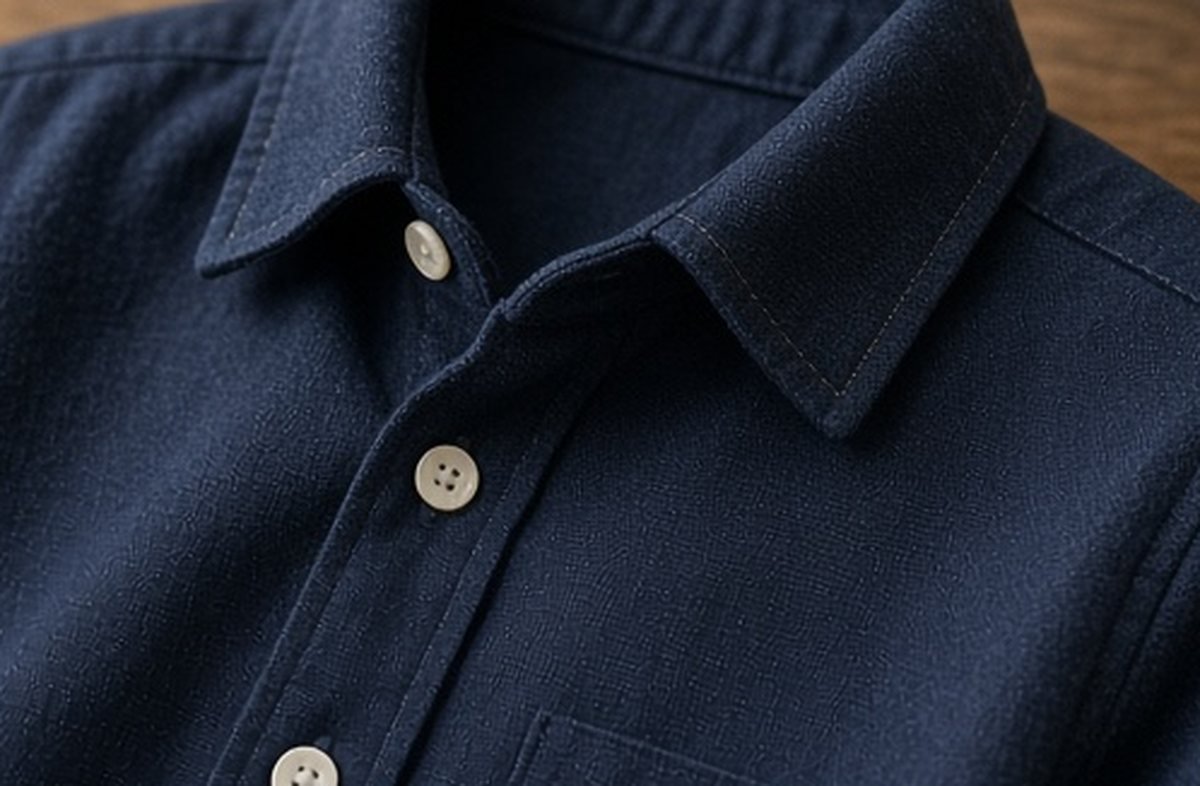
Check cuffs, necklines, closures and seams where visible. Think about how they interact with your activities. A sleeve that catches at a keyboard or a button placement that presses while seated can matter more than a broad promise of softness.
Where a permitted try-on is available, use ordinary movement rather than a single mirror pose. Keep tags attached and follow return conditions while deciding. Do not wash or alter a new garment in the hope that it will become the fit you wanted.
Choose the garment, not only the message
Combine the brand information with a practical assessment: role, measurements, construction, care and compatible outfits. An item can align with your interests yet still be unnecessary or unsuitable. Choosing not to buy does not invalidate the research.
A useful lightweight knit earns its place through comfortable repeated use. INDIGENOUS's range can provide options to investigate, while the exact garment determines whether one of those options belongs in your wardrobe. Keeping both levels in view makes the choice more thoughtful.
Brand source
Range and artisan references are per INDIGENOUS's official website. Verify current garment details separately. No hands-on test, medical benefit or independent certification assessment is claimed.