
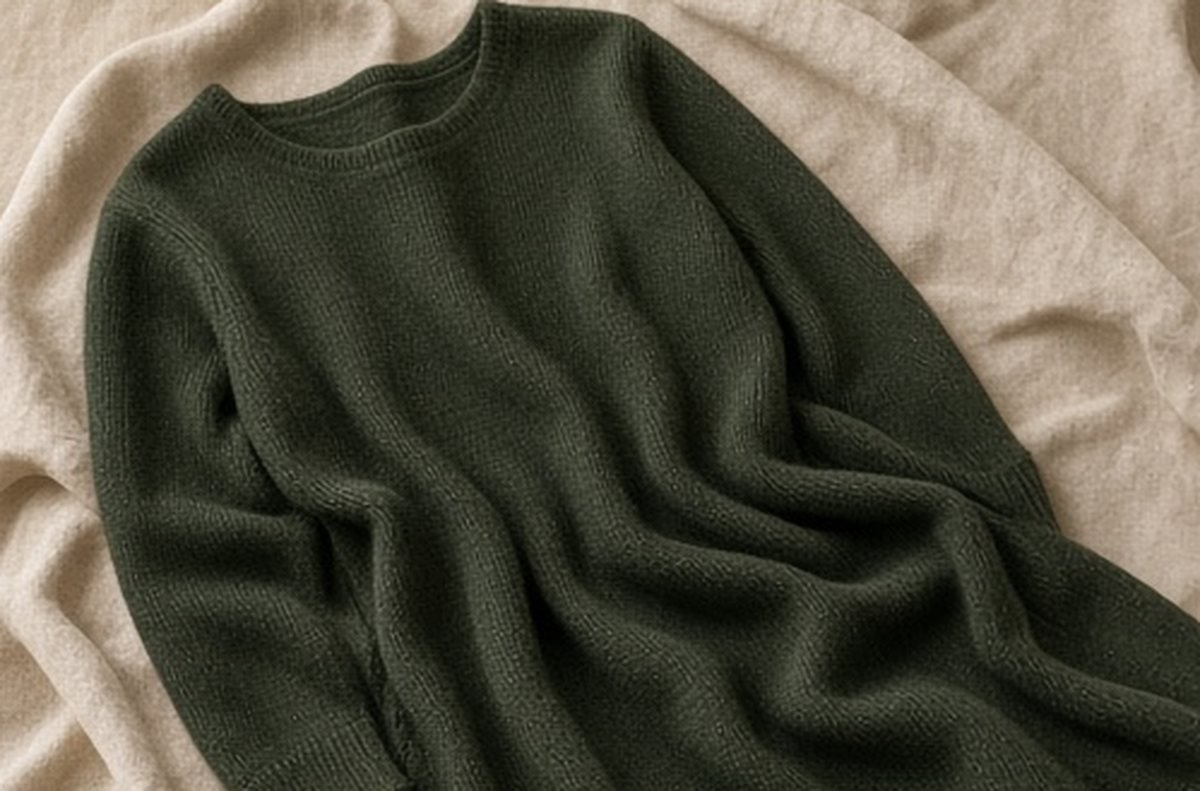
A winter hat or pair of gloves can be appealing as a small, expressive addition to a familiar coat. But accessories also need to work physically with the rest of the outfit. A hood can press on a hat, a sleeve can bunch over a glove cuff and a beautiful texture may feel different against your skin than expected.
Per the brand, French Knot's official website describes hand-knit winter accessories and work with women artisans in Nepal. It also discusses wool and mohair among its materials. These are the brand's statements, not proof that every item has the same composition or will feel comfortable to every wearer.
Begin with the outerwear system
Take out the coat, hood and scarf you normally use. Decide what is missing: more coverage, a comfortable replacement or simply a piece you enjoy. Naming the role helps prevent a decorative accessory from being judged against a job it was never intended to do.
Consider the activities involved. A quiet city walk, cycling and a demanding outdoor route may require different equipment. This guide concerns ordinary wardrobe coordination, not specialist protective clothing or a guarantee of safety in severe conditions.
Read the exact product information
Check composition, dimensions, lining and care on the particular listing. A brand's general materials description does not establish every detail of an individual hat or glove. Different designs can vary even when they share an overall visual style.
If you need a specific measurement or construction detail, ask for it rather than assuming from a photograph. A model's proportions and styling can differ from your own. Keep unknown information visible until you have a suitable answer.
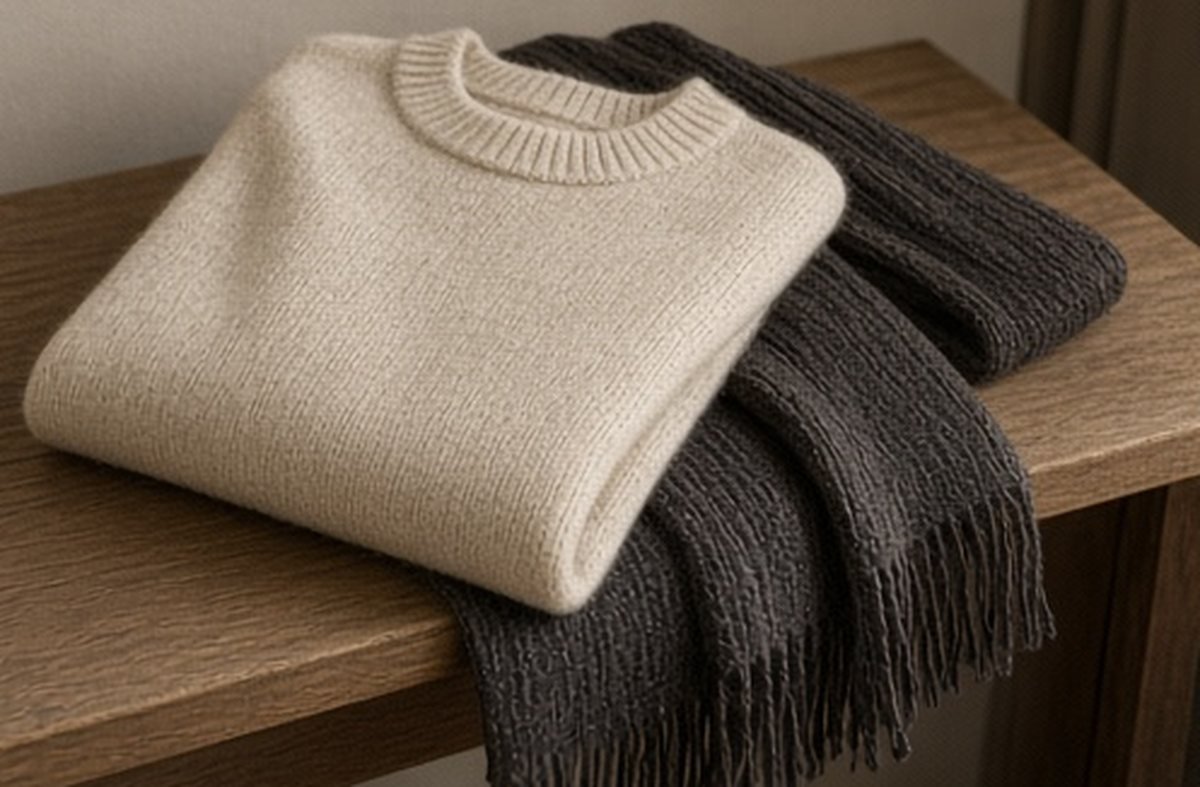
Test the hat beneath the hood
Where an appropriate try-on is possible, wear the hat with your actual hood. Check whether the combination feels comfortable, shifts excessively or restricts your normal view and movement. Do not tighten or force the system merely to make the pieces coexist.
A decorative feature may need space the hood does not provide. That does not make either item poor; it may mean they serve different days. Clear roles are more useful than insisting every accessory work with every piece of outerwear.
Check coverage and pressure
Notice the fit around the forehead, ears and back of the head according to the design. A hat that looks substantial can still leave an area you wanted covered. Conversely, extra depth or tightness may feel unpleasant. Your preferences should lead.
Do not assume stretching a knit to its limit creates the right fit. The working tension and how it feels over time matter. If a return-eligible item is uncomfortable, follow the retailer's conditions rather than attempting irreversible reshaping while still deciding.
Try gloves with sleeves
Check the interaction at the wrist with your usual coat and underlayers. A long cuff may overlap comfortably or create bulk, while a short cuff may leave a gap you dislike. The complete arrangement determines the result, not the glove in isolation.
Move your fingers and handle ordinary objects safely. If your activities require dexterity, grip or another specific function, evaluate that need directly using appropriate information. A decorative knit accessory should not be assumed to provide a technical property that has not been established.
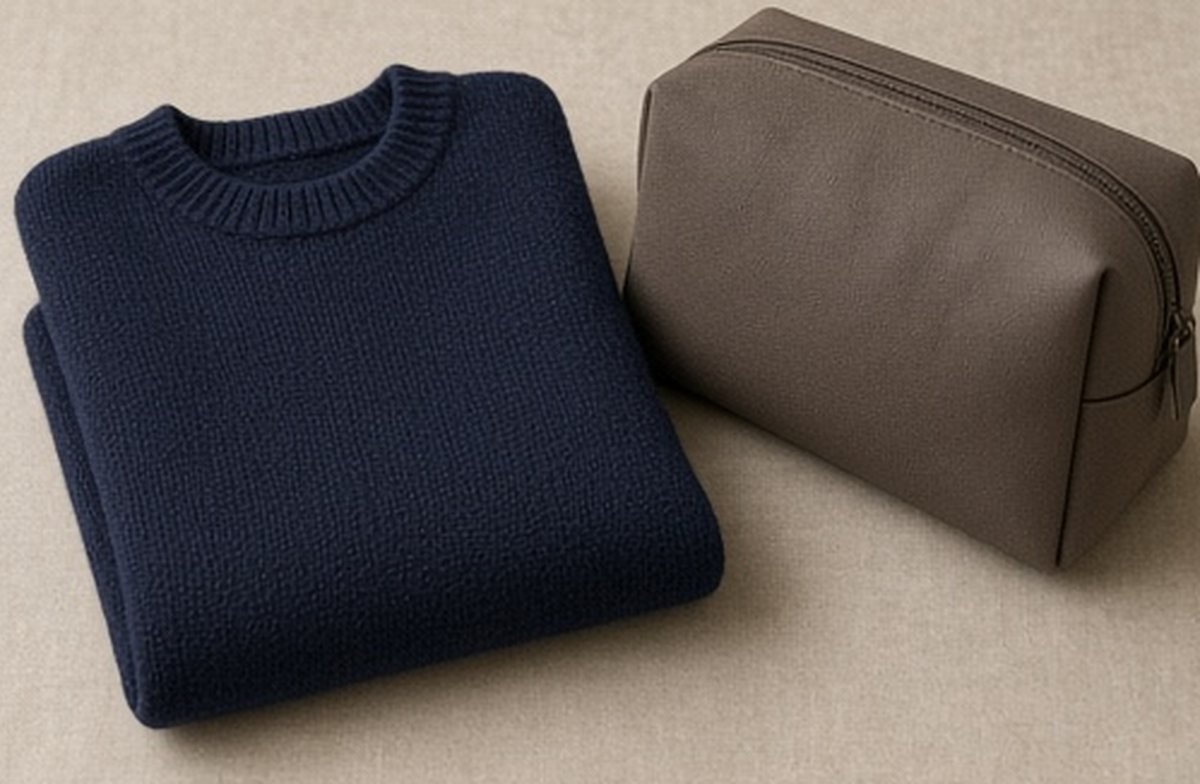
Keep skin comfort personal
Natural fibres are not a universal guarantee of comfort. Seams, linings, texture and individual preferences can affect the experience. Try the surfaces that will actually touch you rather than relying solely on another person's description of softness.
If a garment causes a concerning reaction, stop using it and seek appropriate professional guidance for persistent symptoms. This article does not diagnose sensitivity or claim any material is medically suitable for everyone. A comfortable alternative remains a valid choice.
Read care for decorative details
Handmade or embellished pieces can need careful maintenance, but the exact label should guide you. Do not assume a general wool-care method applies to every trim, lining or decoration. Ask for clarification if instructions are unclear.
Think about storage in bags and pockets. Rough objects, keys and closures can catch delicate surfaces. A small clean space for the accessory can be more useful than treating it as indestructible simply because it is designed for winter use.
Give the artisan story accurate weight
Per the brand, French Knot presents its accessories as handmade and vintage-inspired and describes its relationships with artisans. That context can be part of your interest without replacing product checks. A story about how clothing is made does not establish the fit of your coat cuffs.
Read supporting information for any broader ethical claim and keep its scope clear. This guide does not independently audit production or verify certification. It also makes no claim of hands-on testing of French Knot products.
For a gift, involve the recipient in these practical checks where possible. Keep relevant care information and receipts together, and read the current exchange conditions before ordering. A small accessory still needs a comfortable fit and a realistic way to change it if it proves unsuitable.
Choose a useful combination
Try the complete outfit and decide where the accessory works best. It may be an everyday piece, a gift chosen with the recipient or an occasional favourite. There is no need to force one item into every winter situation.
An expressive accessory becomes more enjoyable when it fits your real layers and routine. Coat, hood, cuffs, movement and care are quiet details, but they determine whether the piece is worn willingly rather than admired and left at home.
Brand source
Brand and materials references are per French Knot's official website. Verify product-level details separately; no independent performance, certification or medical claim is made.