
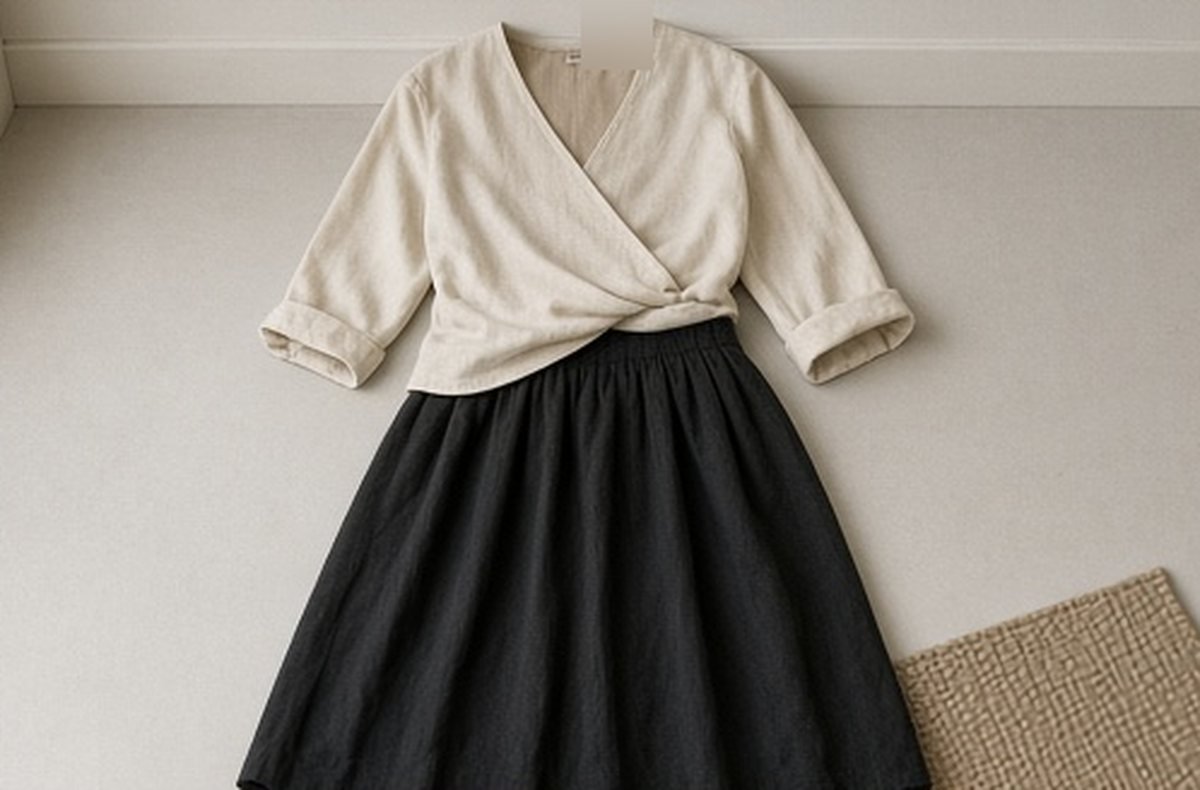
A camisole beneath a blazer can look like a complete solution in a styled photograph. In everyday use, it is two separate garments with two sets of requirements. The outer layer may fit while the underlayer feels wrong, or the underlayer may work until the blazer is removed. Evaluate both before treating the combination as a versatile purchase.
Per the brand, WE-AR4's official website features names including the Carolyn Camisole and the Bessette Blazer. Those references identify options to research, not a guarantee that any two pieces form a coordinated set or suit every wearer. This guide is not a hands-on review of those garments.
Name the outfit's actual setting
Decide whether the combination is for work, travel, a meal out or another occasion. Dress expectations, temperature and movement differ. A look appropriate in one setting may need another underlayer or a different outer piece elsewhere.
Include the journey and any time without the blazer. If you only feel comfortable while the outer layer stays on, that may be acceptable for a particular plan, but it limits adaptability. Make the decision knowingly rather than discovering the constraint during a warm afternoon.
Read the two listings independently
Check composition, dimensions, construction and care for each piece. Do not transfer fabric information from one product to another because they appear together visually. A brand's shared identity does not establish identical materials or maintenance.
Confirm the exact variants being considered. Product photographs can show additional garments and accessories not included in the listing. Identify what one purchase actually contains before comparing cost, outfit completeness or wardrobe usefulness.
Assess the camisole on its own
Check neckline, strap placement, coverage and body length with your intended underwear. Sit, reach and bend where safe. A standing photograph cannot establish whether you will feel comfortable through ordinary movement or while seated for a meal.
If a particular supporting garment is necessary, include it in the decision. You may willingly choose that system, but it should not be treated as an invisible requirement. The useful comparison concerns the complete outfit you would actually wear.
Check the blazer's movement
Try it over the intended underlayer and move your arms, sit and reach forward. Notice pressure at the shoulders, pulling across the back and sleeve behaviour. A blazer needs to fit the wearer and the layers beneath, not merely look neat while still.
Add the bag or coat you normally use. Straps and outerwear can change how a comfortable jacket feels. If an alteration seems necessary, seek a realistic assessment before assuming sleeve or shoulder changes are simple. Construction can limit what is practical.
Test the combination in motion
Wear both layers together and notice friction, shifting or bunching. A fabric can behave differently beneath another surface. The neckline and straps may move when the jacket is put on or taken off, even if each piece seemed fine alone.
Look at the complete outfit from different angles without maintaining an artificial posture. The goal is not a flawless image; it is a combination you can comfortably forget during the day. Constant adjustment is relevant evidence, not a failure to style it correctly.
Inspect opacity in ordinary light with the intended underlayers. A surface that looks opaque in a studio photograph may behave differently across the body or when moving. If a slip or another base piece is needed, include its comfort and care in the overall assessment.
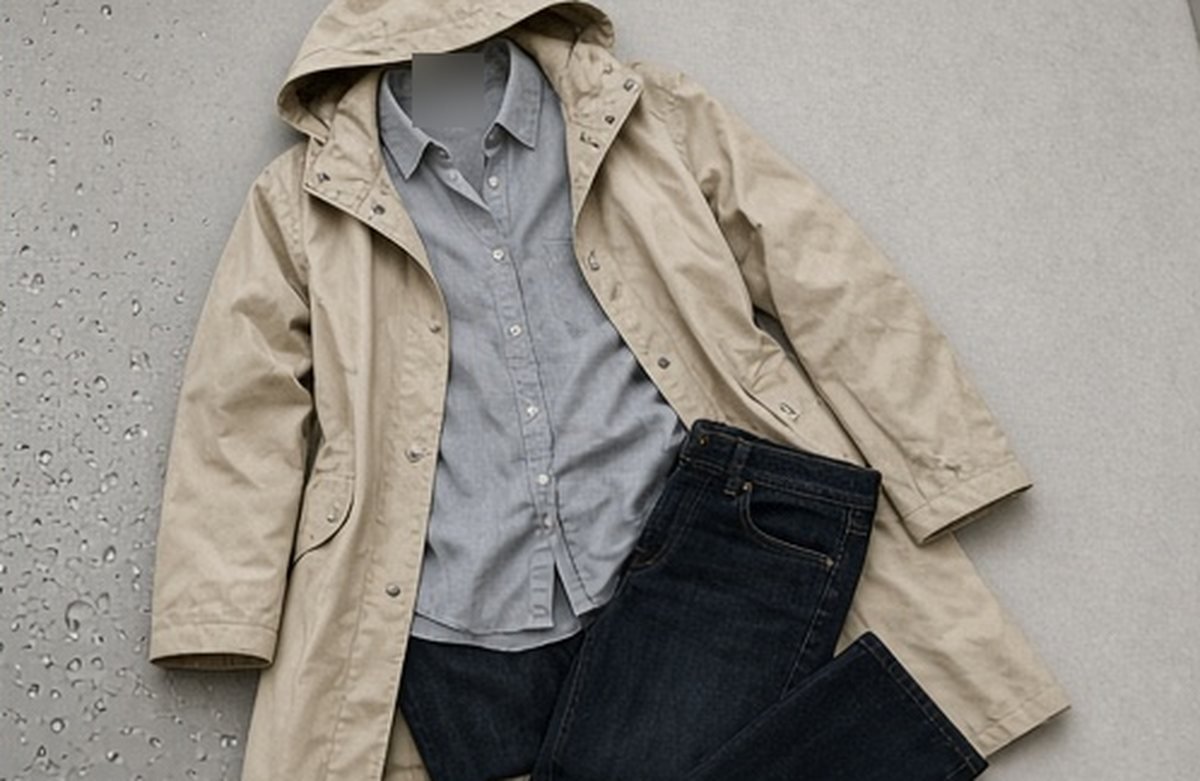
Plan temperature changes
A blazer does not automatically provide enough warmth outdoors or suitable rain protection. Try the necessary outer layer and check the combined fit. If the event is mainly indoors, consider where you will put the coat and blazer when removed.
If the underlayer is too light for your comfort in cooled rooms, another existing top may be the better choice. There is no rule requiring the photographed pairing. A garment's usefulness can increase when you stop trying to reproduce the original styling exactly.
Compare with existing alternatives
Try the proposed blazer with a familiar shirt or simple top, and the camisole with another existing layer. This reveals whether each piece has a role beyond one combined look. Two purchases are more convincing when both can join outfits already available.
Do not invent occasions to justify them. A narrow but deliberate use may be perfectly reasonable, while imagined everyday wear can distort the decision. Keep expectations proportionate to your actual routine and preferences.
Check care as a system
Read instructions for each garment and consider how often it would need attention. The underlayer may require cleaning more frequently than the jacket, but condition and the label should guide you. Do not assign a universal wear count.
If one piece needs specialist maintenance, include that in the available time and budget. A polished outfit becomes less convenient if its supporting garment is repeatedly unavailable. A useful rotation allows appropriate care rather than depending on permanent readiness.
Choose the pieces you will use
The result might be both garments, one of them or neither. A compelling photograph does not create an obligation to buy a complete look. The useful outcome is a clearer understanding of what works with your body, wardrobe and day.
WE-AR4's product names offer a starting point for research. Independent fit and care checks turn that starting point into a practical decision, keeping an attractive two-layer idea from becoming two unrelated maintenance problems.
Brand source
Product-name references are per WE-AR4's official website. Verify exact current specifications separately. No shared composition, set inclusion, certification or hands-on performance claim is made.