
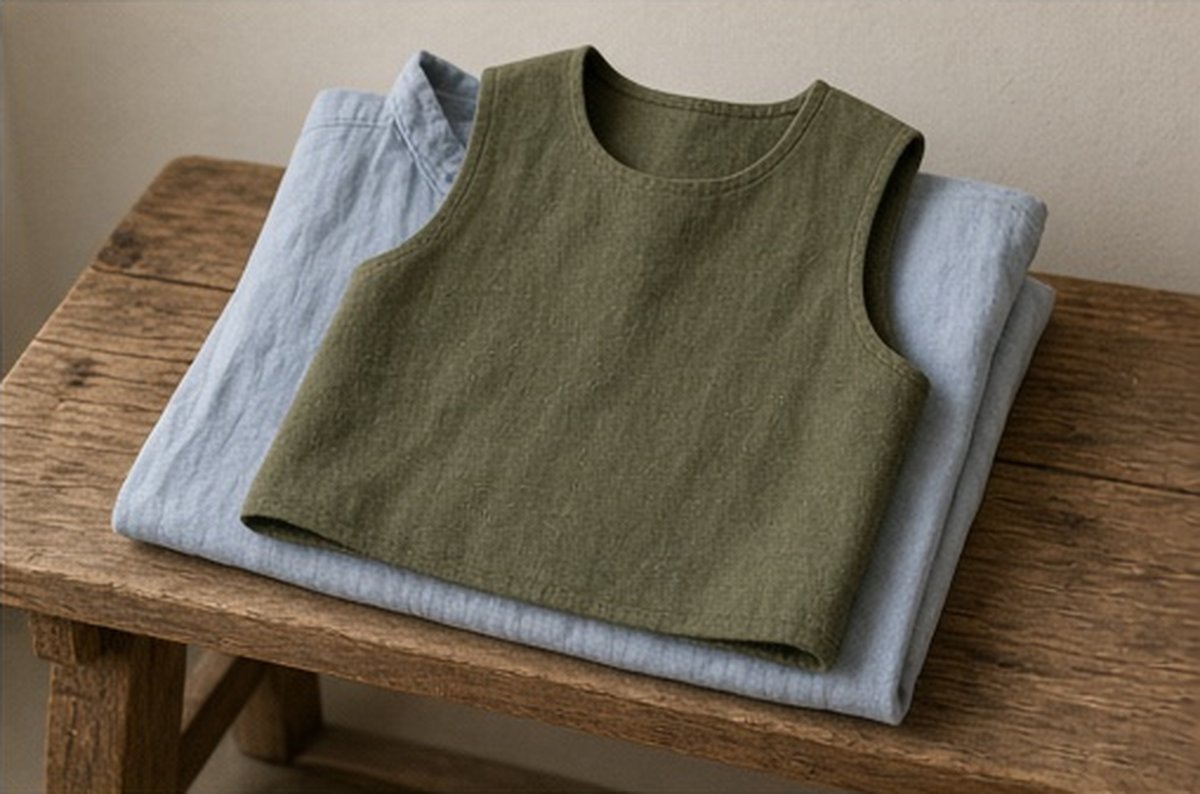
A camisole can look like a small, easy wardrobe addition, yet its usefulness depends on the layers closest to it. The underlayer you actually prefer wearing matters more than an imagined invisible solution. Begin with that real arrangement before deciding how the camisole fits a blazer outfit or a travel capsule.
Per the brand, WE-AR4 names The Carolyn Camisole on its homepage. The name does not establish strap construction, coverage, composition or exact measurements. Check the selected item's information directly. This is a practical fitting and outfit-planning exercise, not a product test or a claim that one underlayer works for every wearer.
Define the outfit without the jacket
Choose the setting and build the version you would wear if the outer layer came off. A camisole intended only for a particular covered arrangement can still have a role, but that limit should be deliberate rather than discovered halfway through a warm room.
Use the actual bottom half and footwear when assessing the combination. The garment's place in the wardrobe depends on the complete outfit, not simply on whether it looks plausible beneath an open blazer in a photograph. A clear uncovered or deliberately covered brief makes later styling decisions easier to understand.
Bring the preferred underlayer into the assessment
Use the underlayer you genuinely want to wear, if any, while following appropriate fitting conditions. Do not assume you will replace a comfortable routine with a new solution solely to make the camisole work. That supporting change is part of the practical decision, not an invisible detail.
Your preferences about support, visible straps and coverage are personal. There is no universal requirement that an underlayer disappear from view. The useful question is whether the actual combination feels comfortable and intentional to you, rather than whether it reproduces a styled image whose unseen arrangements you cannot verify.
Check the neckline in ordinary positions
Look at how the complete arrangement sits when standing and sitting, with gentle everyday movement. Do not pull the garment into a preferred position and then treat that held pose as the result. Note whether you repeatedly adjust the edge during normal use.
Keep observations specific rather than turning one mismatch into a claim about every camisole or every body. A neckline may simply not suit your intended arrangement. Another existing top can be the more practical choice, and that decision does not need to be justified through a promise that a particular accessory or alteration will solve everything.
Read strap information rather than assuming it
Look for the exact construction and any adjustment the brand actually describes. Do not infer adjustable straps, a particular fastening or a hidden feature from the garment category. If the detail is important and unclear, ask rather than planning around a mechanism that may not exist.
During an appropriate fitting, use features only as intended and do not force them. A change in strap position can affect other relationships in the outfit, so reassess the neckline and comfort after any permitted adjustment. The point is a stable arrangement, not finding one flattering angle while the rest of the garment remains unresolved.
Assess waist and hem separately
Try the intended tucked or untucked arrangement as suitable to the garment and your preference. Check it with the actual waistband rather than a hypothetical pair of trousers. A top can work comfortably at the neckline while needing a different decision at the hem.
Move normally and notice whether the arrangement remains practical. Do not rely on a tight tuck to solve every issue or assume a belt will change the whole fit. If the camisole needs constant correction in the intended outfit, count that honestly instead of treating the small physical size of the garment as proof of easy versatility.
Add the actual outer layer
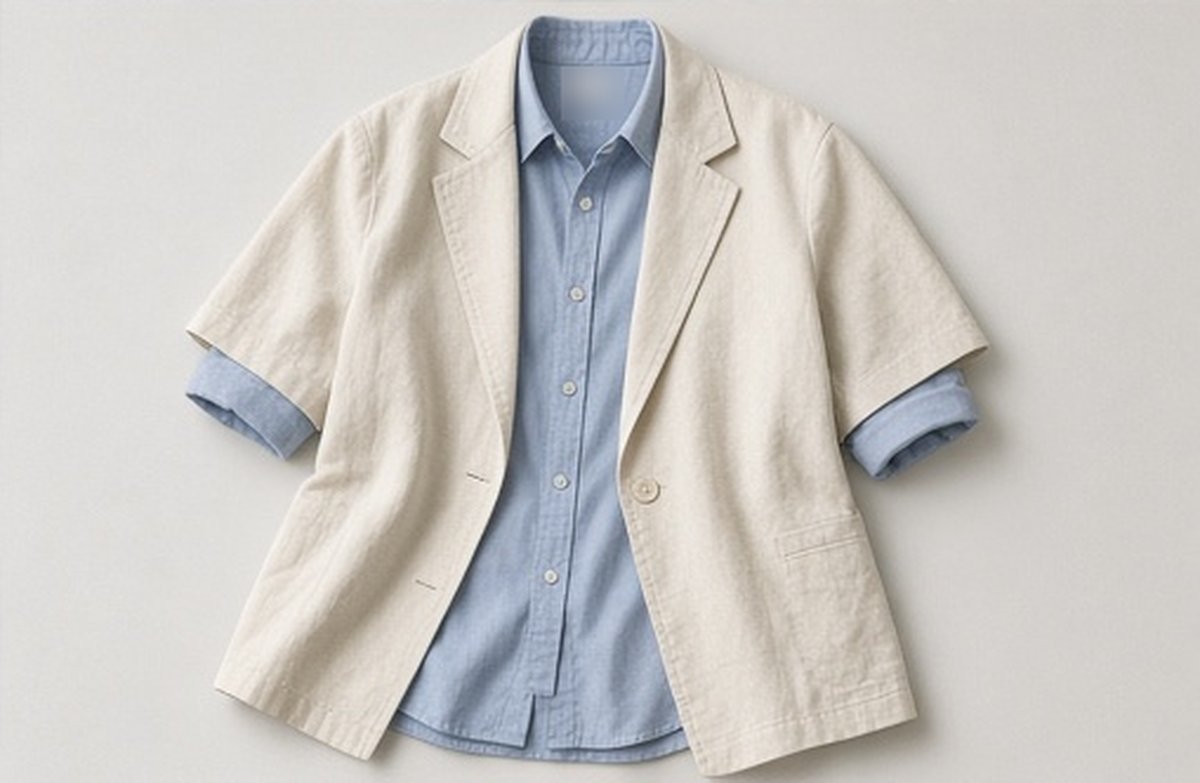
Try the blazer, cardigan or other layer that belongs to the plan. Assess comfort and ordinary movement without assuming every combination works because both items fit separately. A jacket can change access, visible edges and how often you want to adjust the layers beneath it.
Then revisit the removal plan. If the outer layer needs to stay on for the outfit to meet your preferences, decide whether that suits the setting. There is no need to claim an effortless indoor transition where you have chosen a deliberately covered combination that serves a narrower but still useful role.
Count the supporting pieces honestly
If the outfit requires a particular underlayer, include it in a packing or laundry calculation. A camisole is not a complete outfit slot independent of the clothing that makes it useful. Several imagined combinations may still depend on the same supporting garment being ready.
Read the actual camisole's composition and complete care instructions before planning repeated use. Do not infer a cleaning method from its appearance or brand story. A simple silhouette can still require a process that needs time and suitable facilities, especially when a trip relies on a small set of interdependent layers.
Save the combination you can repeat
Record the specific underlayer, bottom half and outer layer that worked, along with any deliberate limit about removing the jacket. A modest successful pairing is more useful than a large set of possibilities based on supporting items you do not own or do not enjoy wearing.
Starting with the real underlayer keeps camisole styling grounded in ordinary life. The garment earns its place through comfort and a repeatable complete outfit, not through a requirement to make every edge invisible. That leaves room for personal preference without turning a familiar product category into an unsupported guarantee about fit or effortless layering.