
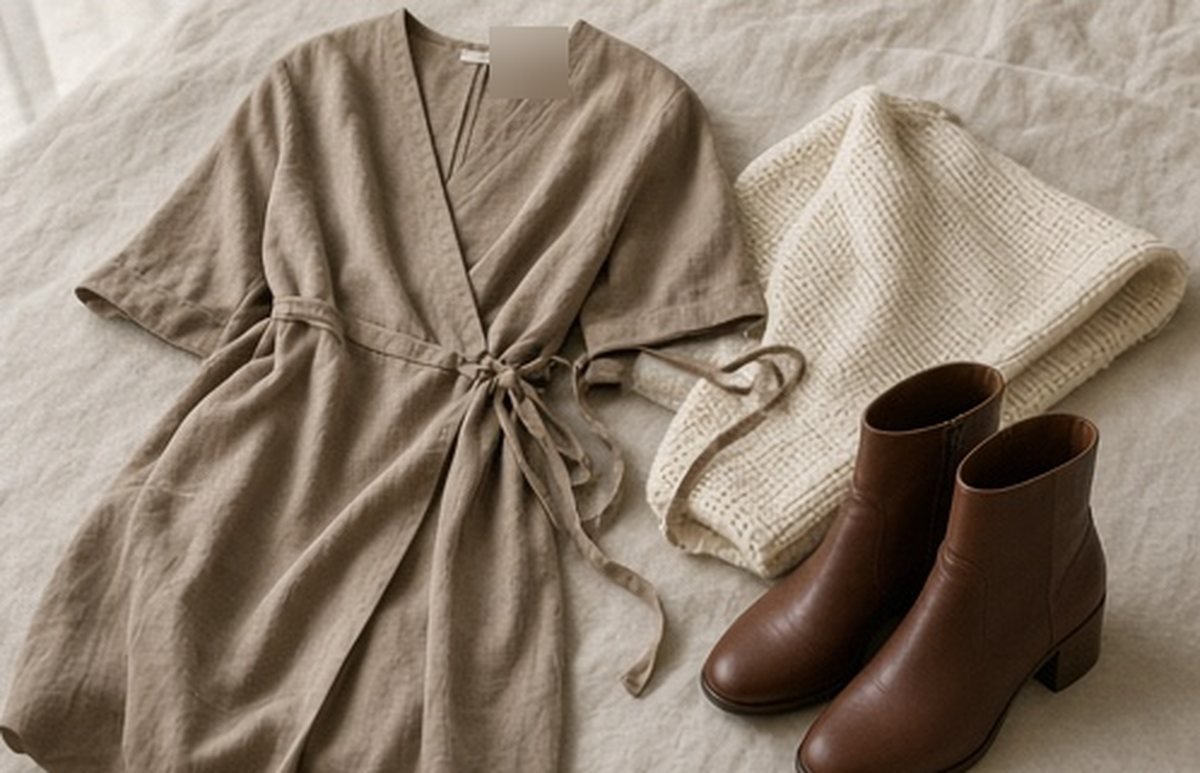
A detachable belt can be essential to the way you prefer wearing a dress, coat or pair of trousers, yet it often receives less organisation than the main garment. It can move to another hanger, travel in a different bag or remain beside the laundry after the clothing has returned to the wardrobe. Give the relationship a clear place.
This is a small ownership system, not a rule that every garment must always be belted. The aim is to know which accessory belongs to which piece, how each should be handled and whether the complete outfit is ready. Start with the clothing and removable parts you actually own rather than buying storage equipment for a hypothetical collection.
Identify what belongs together
Look at the garment's actual components and record any detachable belt or tie supplied with it. Distinguish a removable accessory from something integral to the construction. Do not pull, unthread or detach an unfamiliar part simply because it resembles a loose belt.
If the connection is unclear, consult the product guidance or an appropriate source before changing anything. A simple note can identify the main garment and the separate piece without claiming that every similar accessory is interchangeable. The practical value is keeping the original relationship understandable even if you later prefer wearing the garment another way.
Choose one known home
Keep the accessory in an appropriate place that remains connected to the garment's storage routine. Follow the relevant material and handling needs rather than assuming a hook, knot or tight fold suits every belt. The best arrangement is one you can maintain without hunting through several possible locations.
Where storing the pieces together is unsuitable, use a clear separate reference. A labelled container or existing wardrobe note may be enough. Do not attach marks or hardware directly to a delicate item just to make the system tidy. Identification should support care, not create a new treatment or alteration the piece does not need.
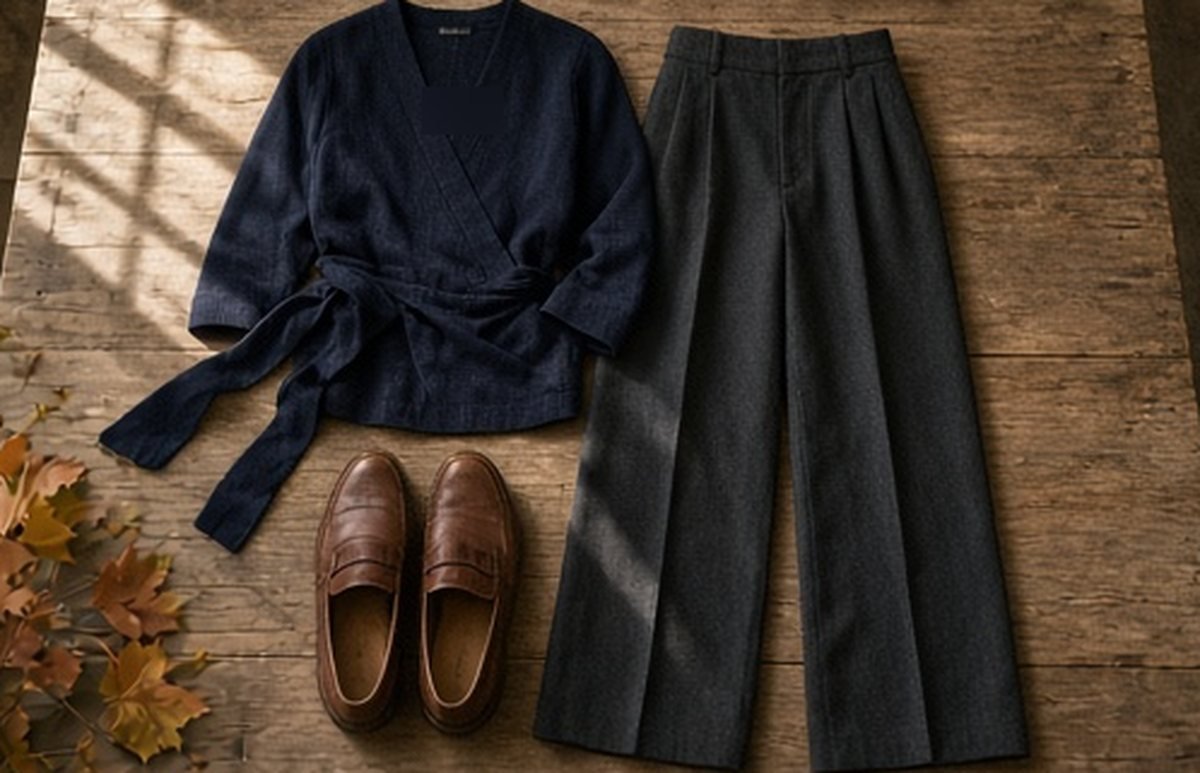
Record the version you actually wear
Note whether the accessory is part of the preferred outfit or an optional alternative. A garment can remain useful without its original belt, but that should be a considered styling choice rather than the result of losing track of a component.
If you use another belt, keep its identity separate from the supplied one. Check fit and handling with the actual garment instead of assuming every replacement will work through the same loops or sit comfortably at the same position. The system should preserve choice while making the complete arrangement easy to reconstruct when you want it.
Read care for all components
Check the garment and accessory information before cleaning. Do not assume detachable parts always remain attached, always come off or always use the same method. The complete instructions should establish the process, and a general material label may not answer every component question.
If clarification is needed, obtain it before an irreversible care step. A belt placed separately on a shelf can be forgotten, but leaving it with the garment is not automatically correct either. The useful habit is following the actual guidance and giving every separated component a known destination throughout the process.
Track the care transition
When a part is appropriately removed for care, keep its location clear until the main garment is ready again. Avoid mixing several similar ties into a pile that depends on memory. A simple note or suitable separate container can preserve the relationship without an elaborate inventory.
Reunite the pieces only when their condition and the approved process make that appropriate. Do not place a damp component with a ready garment for the sake of finishing the task. The aim is a complete usable outfit, not merely a hanger that looks restored while an unresolved care issue remains hidden.
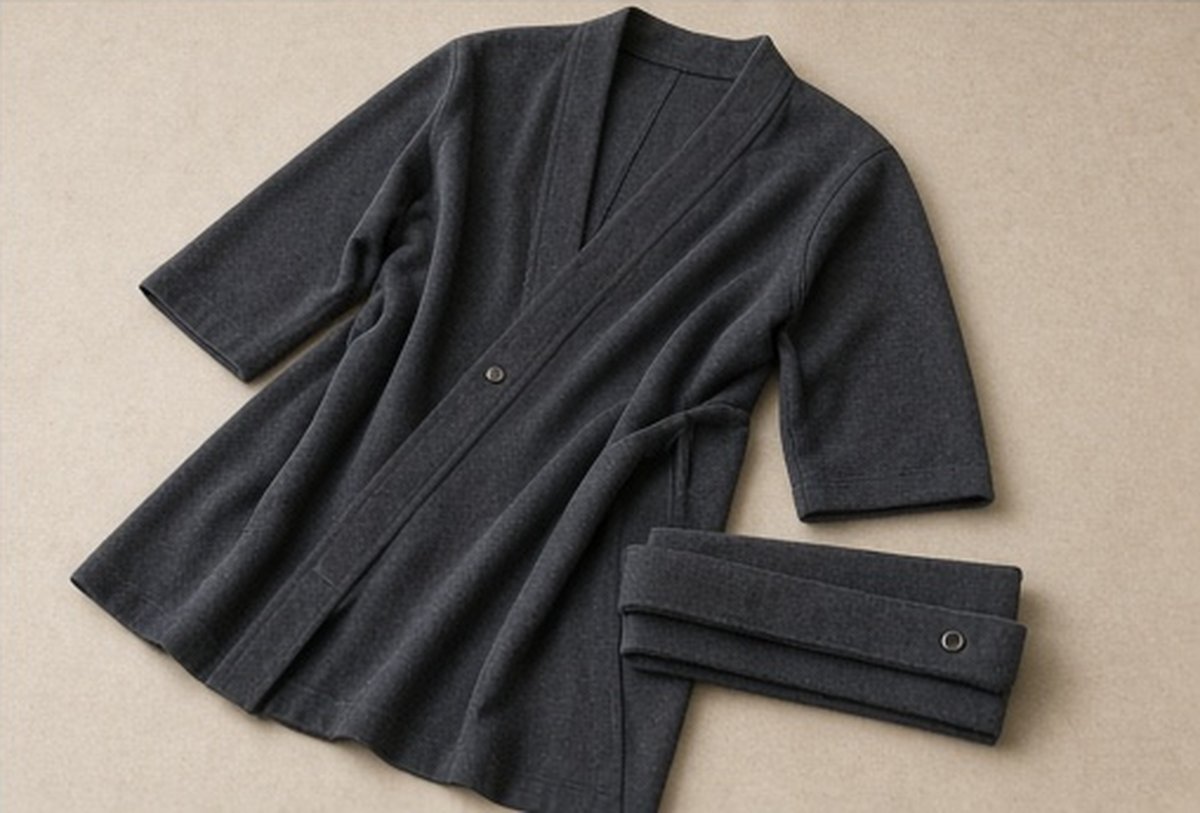
Pack the complete outfit deliberately
If the belt is needed for a trip outfit, include it in the actual packing check. Decide an appropriate location and keep that location consistent. A narrow accessory can disappear among larger clothing even when there is ample room in the bag.
On arrival, use a suitable place and check the relationship again before repacking. Do not assume that anything left on a chair belongs to the room or that every small fabric piece has already returned to the suitcase. The same clear-home habit helps through travel transitions without making the accessory seem too troublesome to use.
Include it in a loan or handover
When lending, selling or giving away the garment, state whether the original detachable component is included. If it is missing, say so rather than relying on a photograph that suggests a complete set. Another wearer may have a different preferred arrangement, but they should receive accurate information.
Pass on relevant care and identity details without inventing an exact replacement route. A supplied belt is not necessarily available separately, and a similar-looking accessory may not reproduce the original. Honest completeness is more useful than promising that the recipient can easily solve an unknown gap after taking the garment.
Check readiness rather than perfection
At the next outfit decision, confirm that the pieces you need are present and ready. That small check matters more than maintaining a visually perfect belt display. The system can remain simple enough to use on ordinary days, including when the original accessory stays stored because another arrangement suits you better.
A detachable belt is a separate object with a connected role. Keeping that role identifiable through storage, care, travel and handover prevents a minor missing piece from becoming an unnecessary wardrobe problem. The goal is not to preserve every original styling choice forever, but to keep the choices you own genuinely available.