

A wrap skirt can offer flexible fit, but adjustability is not the same as unlimited fit. The overlap, waistband, ties and closure placement all influence comfort and coverage. A skirt that looks secure while standing may behave differently when you sit, climb stairs or carry a bag. Test those situations before planning a whole day around it.
Begin with the actual design. Some skirts have a true wrap construction, while others use a fixed panel or decorative tie. Read the description and inspect the inside. Understanding what opens, what adjusts and what remains fixed is more useful than relying on the general product name.
Establish the intended waist position
Put the skirt where the pattern is designed to sit and where you expect to wear it. Moving it substantially higher or lower can change overlap and hem position. A tie may permit the change without making the rest of the garment behave as intended.
Check the size guidance and relevant garment measurements. If you are near a boundary, do not assume pulling the ties tighter creates an equivalent fit. The fabric available around the hips and front remains part of the design, even when the waistband can be adjusted.
Inspect the closure system
Look at ties, buttons, loops, snaps or any internal fastening. Check that they are intact and positioned sensibly. A hidden closure may help the garment stay in place, but its presence does not remove the need for a movement test.
Learn the intended fastening method from the maker's instructions where available. Do not improvise knots that create excessive pressure or strain a delicate attachment. If the tie feels too short or the closure seems unstable, investigate before wearing the skirt somewhere a problem would be inconvenient.
Check overlap while seated
Sit normally, lean forward and stand again. Notice how the front panels move and whether coverage remains comfortable for you. A generous overlap while standing can change with hip movement and chair position. Your preferred level of coverage should lead the decision.
Try the underwear or underlayer you would actually use. An additional slip or short may be an option, but include its warmth, comfort and care needs in the assessment. The skirt is not functioning independently if it requires supporting garments you do not want to wear.
Walk and turn naturally
Take ordinary steps and change direction. If safe, test a step or stair with the hem controlled. Watch whether the tie loosens, the waistband shifts or panels catch between your legs. Stop if fabric interferes with movement rather than continuing to prove the concept works.
Consider the activities ahead. A quiet meal and a windy walk present different demands. This test cannot guarantee behaviour in every condition, but it can reveal whether the skirt needs another role in your wardrobe or a different outfit for particular days.
Test the complete outfit
Add the top, cardigan, coat and bag you intend to use. A tucked layer can change waistband pressure, while a long outer layer may catch a tie. Bag straps can also move fabric in ways that are not obvious when the skirt is tried alone.
Check access to pockets and any essential item you carry. A tie placed beneath a strap may become uncomfortable or difficult to adjust. Repositioning a bag can help in some cases, but the outfit should not depend on continual monitoring to remain pleasant.
Think about ties in ordinary spaces
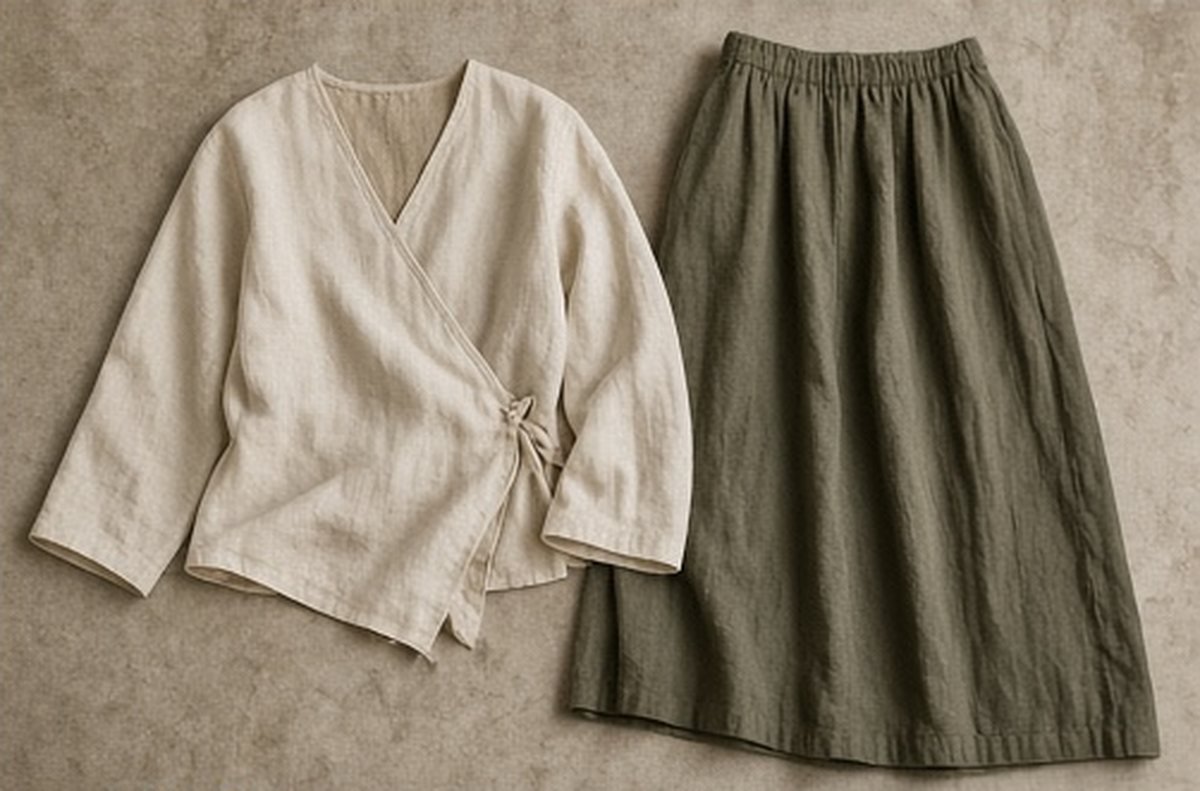
Long ties can catch on furniture or hang where you do not want them. Check their position while seated at a desk or table. Secure them using the intended method without creating unnecessary bulk at the waist.
If an alteration seems useful, ask a professional to assess it. Cutting a tie shorter is irreversible and may remove length needed for another fastening arrangement. Do not modify a new garment before making a keep-or-return decision under the retailer's conditions.
Examine fabric and drape
A fluid fabric and a structured one can behave differently in a wrap construction. Read the exact composition and care details, but do not assume fibre names alone predict movement. Try the garment where possible and compare it with a familiar skirt of similar construction.
Check opacity in ordinary daylight. Overlapping areas may look different from single layers, particularly in lighter colours. That can be an intentional part of the design, but you should understand it before relying on photographs that show only one lighting setup.
Plan cleaning and packing
Follow the care label for the whole garment, including ties and trims. Before washing, use any relevant manufacturer guidance about closures or loose components. Avoid assuming the tie can tolerate treatment that is suitable for the main panel.
For travel, make sure the skirt works with the shoes and tops already in the bag. A compact fold is useful only if the resulting outfit is comfortable. If it requires a special underlayer, particular footwear and careful finishing, include those demands in the packing comparison.
Decide the right role
After testing, name the situations where the skirt works well. It may become an everyday favourite, an occasional option or a piece better suited to less active plans. None of those outcomes needs to match the broadest marketing promise.
A useful wrap skirt offers adjustment without constant attention. Secure closures, comfortable overlap and an outfit that works in motion matter more than a dramatic styling demonstration. When those details suit your body and day, the design's flexibility becomes a practical benefit rather than another thing to manage.