
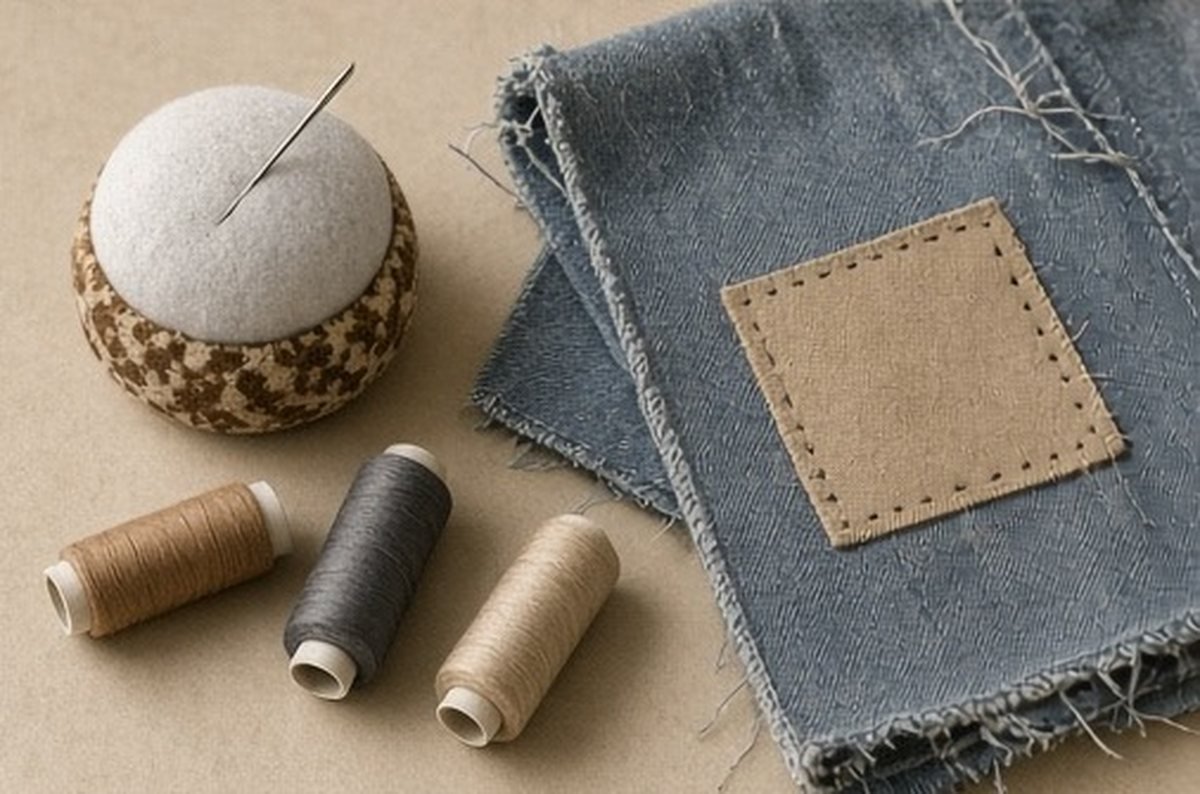
A clothing care kit can seem like an ideal gift for someone interested in slow fashion. It promises practical help and continued use of favourite garments. But a collection of unfamiliar products, sharp tools or unsuitable treatments can become clutter rather than support. Start by asking what the recipient would genuinely welcome.
This is a gift-planning framework, not a recommendation to buy a standard bundle. Different fibres, constructions, care labels and skill levels need different approaches. The best kit may contain very little, or it may be a contribution toward a professional repair instead of a box of supplies.
Ask about the actual task
Find out whether the person wants to replace buttons, organise spare components, learn a basic stitch or arrange a particular repair. A clear task makes the gift useful. A vague ambition to take better care of clothes can lead to purchasing things with no immediate role.
Do not present the gift as a criticism of their wardrobe or housekeeping. Repair and cleaning are personal routines shaped by time, space and ability. The recipient should choose whether this kind of help feels welcome rather than being given a project they did not request.
Check what they already have
A duplicate set of tools is not automatically helpful. Ask about existing supplies and storage before adding more. Someone may need a missing component or a better way to find spare buttons, not a second complete sewing box.
Keep preferences visible. A person comfortable with hand sewing may enjoy selected materials, while another would rather have a repair arranged. Neither preference is more thoughtful or more sustainable by default. The useful gift is the one that supports an action they actually want to take.
Match supplies to garments
Care products and techniques are not universal across clothing. A method suitable for sturdy denim can be inappropriate for delicate knitwear or a lined jacket. Check the relevant labels and product instructions, and avoid promising that one treatment will safely fix everything.
If the garment or problem is uncertain, do not include an aggressive treatment as an experiment. Professional advice may be the better first step. A gift should preserve options rather than encourage irreversible cutting, scrubbing or chemical treatment without a clear diagnosis.
Keep beginner projects genuinely modest
For someone who wants to learn, choose a task they can practise safely on suitable spare material before working on a favourite garment. A small accessible seam or ordinary button may be more appropriate than a complicated zip or fragile knit repair.
Include a route to reliable instruction rather than assuming tools alone teach technique. That could mean an agreed class, help from an experienced person or a suitable guide. Do not commit the recipient to a time or event without their agreement. Learning should remain their choice.
Think about safe storage
Needles, pins and scissors need appropriate handling and secure storage, especially around children or pets. Choose arrangements suited to the household rather than an open display designed only to look attractive. A gift's presentation should not compromise practical safety.
Avoid transferring cleaning products into unlabelled decorative containers. Original instructions and warnings matter. Keep supplies in suitable packaging and follow relevant storage guidance. A plain, clearly labelled item is more useful than a beautiful mystery bottle.
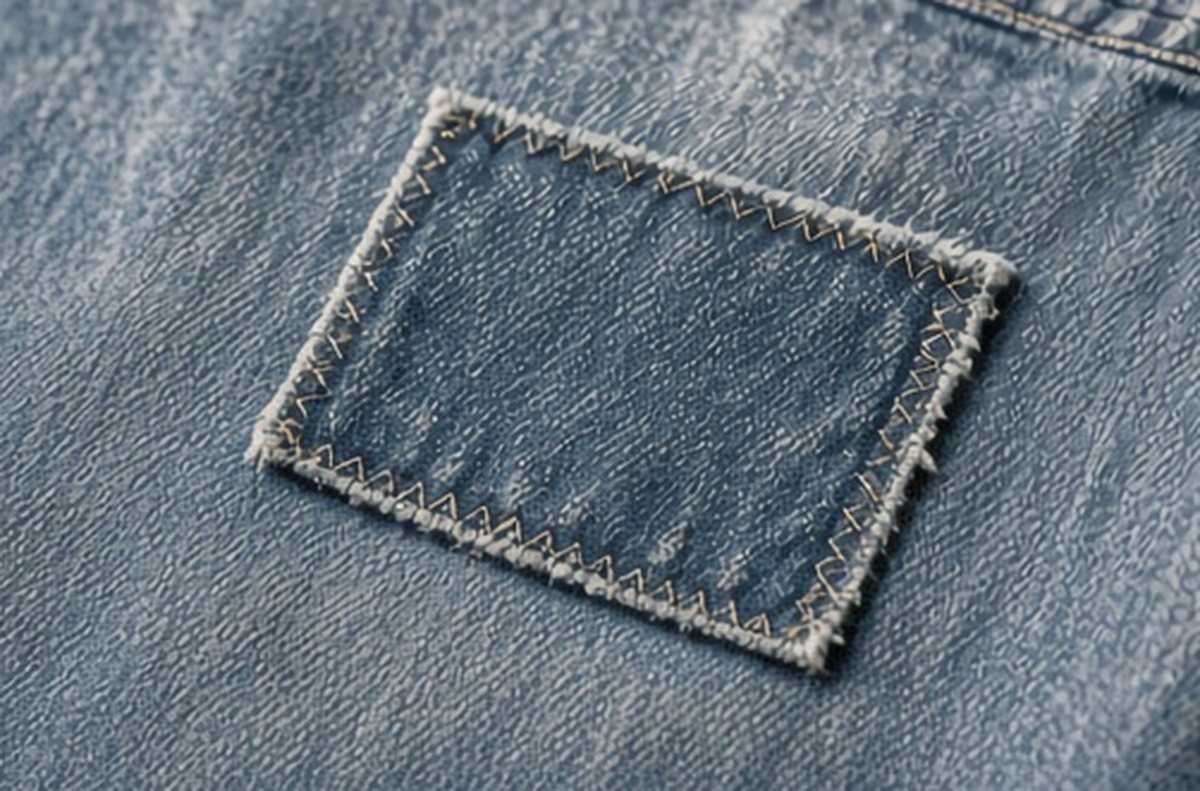
Consider professional help instead
A contribution toward a requested alteration or repair can be more valuable than equipment. Let the recipient choose the desired outcome and suitable professional. Obtain a real quote where practical rather than promising that the contribution will cover an unspecified job.
Do not alter a garment as a surprise. Fit and finish are personal, and changes may be irreversible. Even a well-intentioned improvement can feel intrusive when the owner did not choose it. Practical help is a gift only when it respects their control over their belongings.
Avoid unsupported product promises
Descriptions such as natural, gentle or eco-friendly do not establish suitability for every garment or person. Read specific directions and limitations. Do not add claims about safety, stain removal or environmental benefit to a gift note unless the available evidence supports them.
A care tool can also be misused. More force, more heat or a sharper edge does not automatically improve the result. Encourage following garment and tool instructions, practising where appropriate and stopping when the material behaves unexpectedly. A useful kit includes realistic limits.
Make the presentation functional
Keep spare components in a way that identifies the garment they belong to. A small labelled packet can be more helpful than a mixed bowl of buttons. Include receipts and relevant instructions, and leave packaging intact where required for returns or safe use.
Choose a storage format that fits the recipient's space. A large decorative box may be less useful than a compact container if they have limited room. Avoid buying additional organisation products before knowing whether the supplies themselves are wanted.
Let the recipient set the pace
Do not repeatedly ask whether the repair has been completed. A gift should not create a reporting obligation or a new source of guilt. If the person's needs change, allow supplies to be returned, exchanged or passed along appropriately.
The strongest care gift supports a specific welcome action: keeping a favourite piece wearable, learning a chosen skill or resolving a manageable repair. It need not contain many items or look impressive. Attention to the person's real garments and routine is what turns a set of supplies into useful help.