
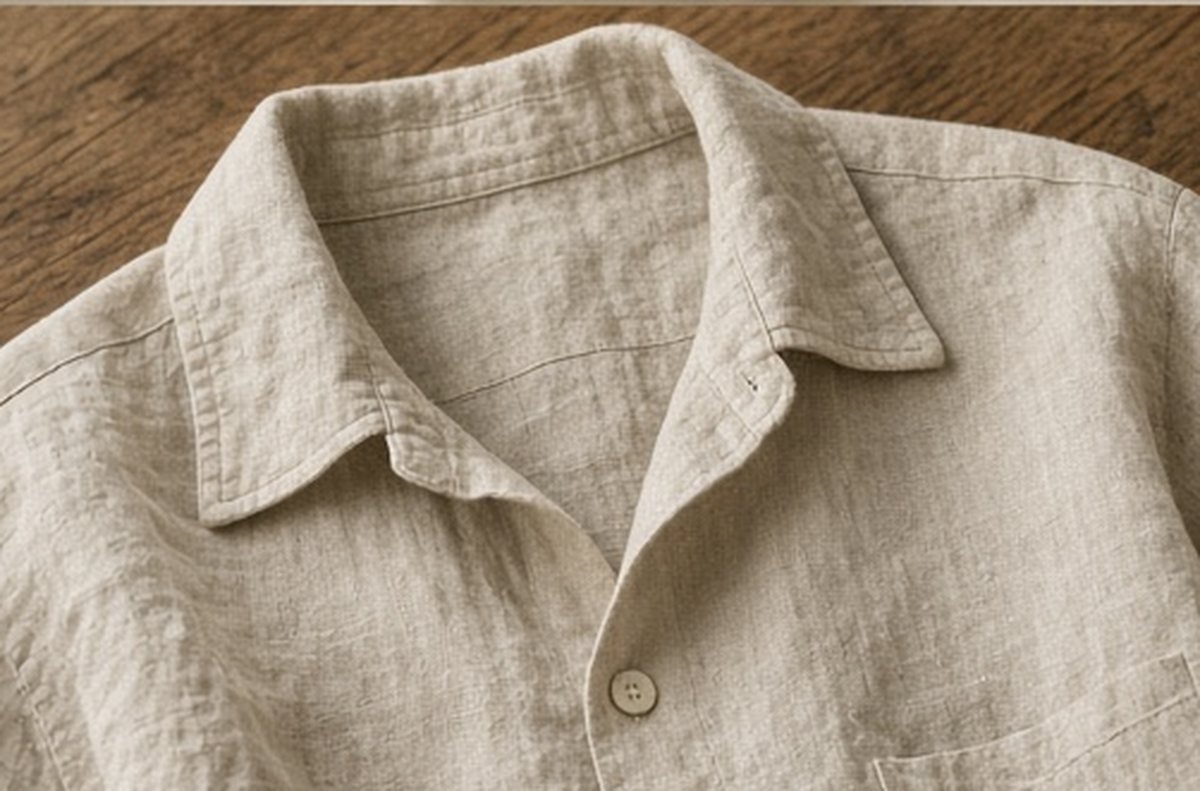
A lace collar, a long skirt or an old-fashioned print can give a new garment a vintage mood. That does not make the garment itself vintage. The distinction matters when you are evaluating age, materials, fit and condition. A romantic photograph can communicate a style beautifully while leaving those practical questions unanswered.
Start by identifying what the seller is actually offering: an older garment, a new reproduction, a contemporary piece with historical references or something else. These categories can all be enjoyable. The problem arises when visual language is allowed to substitute for a clear description of the object.
Separate style from age
Words such as vintage-inspired, retro and heritage often describe aesthetics rather than a verified production date. Read the full listing and ask for clarification if the distinction matters. Do not infer age from a filter, a location or the styling of the photographs.
For an older garment, dating may involve labels, construction and provenance, but an online description can still be uncertain. A seller's estimate should be treated as an estimate unless suitable evidence establishes more. This guide does not provide authentication or a universal dating method.
Read the actual fibre content
A fabric that looks natural in a photograph may be a blend or another material entirely. Check exact percentages and any separate information for lining or trim. A soft, faded-looking surface does not establish linen, cotton or a particular historical production method.
For an older piece with a missing label, uncertainty may remain. Ask what the seller knows and how the description was reached. Do not convert a guessed fibre into a care instruction. Delicate or valuable garments may need specialist assessment before treatment.
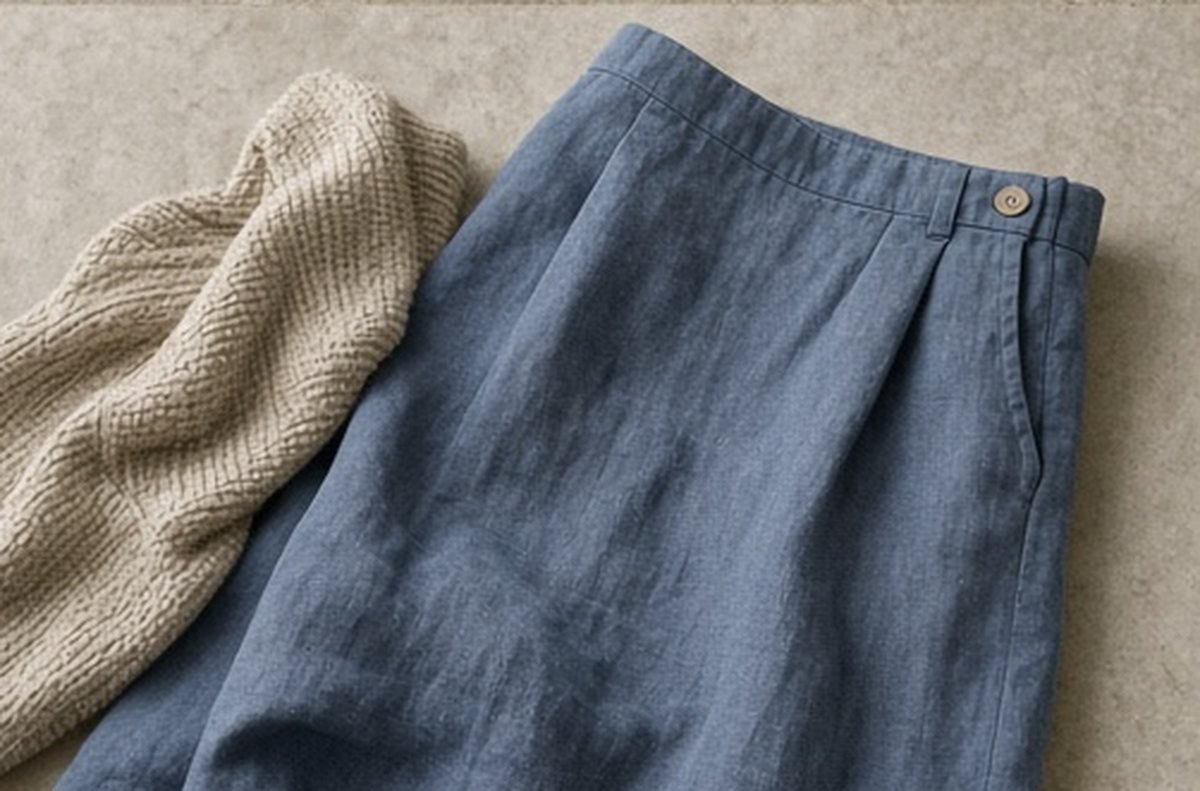
Use current garment measurements
Size labels vary across brands and periods, and a garment may have been altered. Compare current measurements with a comfortable reference piece rather than assuming a familiar number or letter will fit. Keep body measurements and garment measurements distinct.
Focus on restrictive areas: shoulders, sleeves, waist or hips depending on the design. A generous skirt does not guarantee a roomy bodice. New reproductions can also have distinctive cuts, so contemporary manufacture does not remove the need to check dimensions.
Inspect closures and construction
Buttons, zips, hooks, lining and seam finishes affect both use and maintenance. Look for clear photographs and note anything not shown. A decorative front may conceal a different actual fastening, while a fitted design may be more difficult to put on than the image suggests.
For older clothing, inspect condition around stress points and ask about known repairs or alterations. A small disclosed mend may be perfectly acceptable, but weak surrounding fabric can change the assessment. Do not assume every defect has a straightforward repair.
Decide how much styling you want
You can enjoy a historically influenced garment without building a complete period outfit. Try it with shoes and layers you already own. A simple cardigan or ordinary trousers may make the piece easier to wear than a collection of specially purchased accessories.
If a full look is your deliberate preference, include all the supporting requirements in the decision. The aim is not to discourage creativity but to distinguish a useful individual garment from a larger project. Both can be worthwhile when chosen with clear expectations.
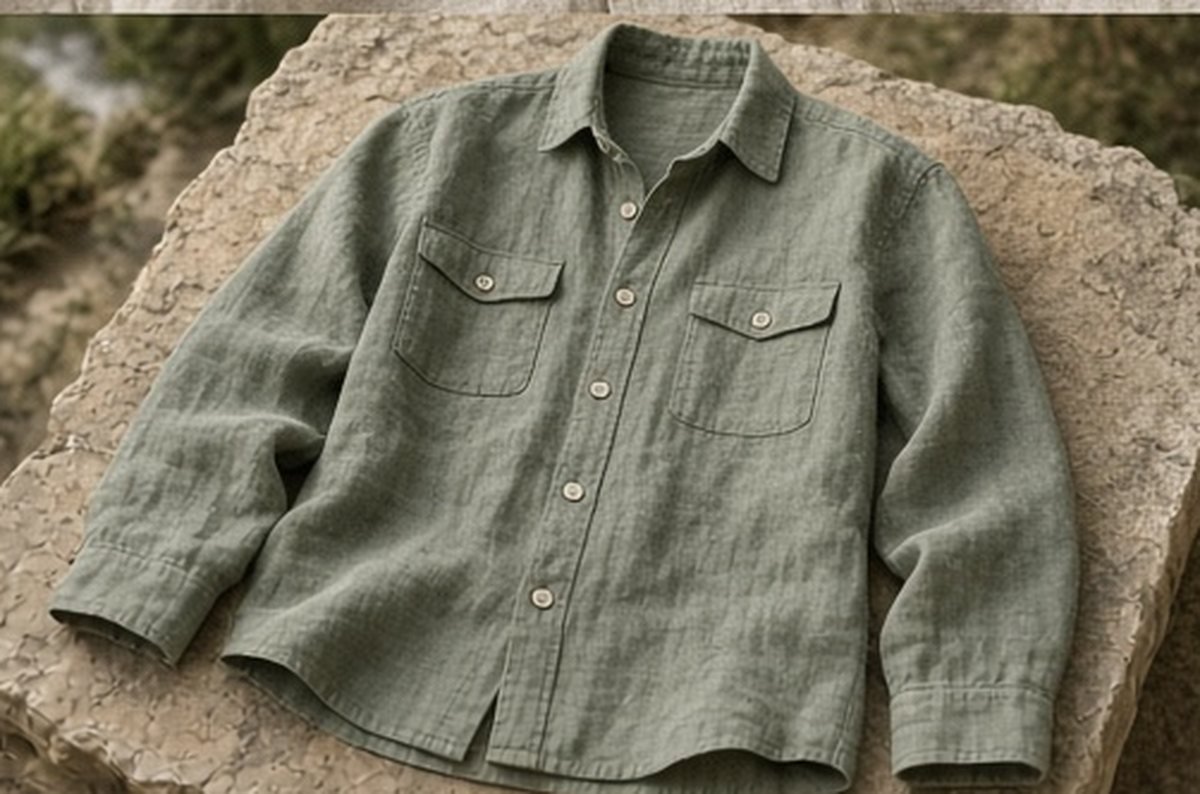
Test movement rather than mood
Sit, reach and walk in the garment where possible. Consider whether sleeves, necklines or waistbands remain comfortable through the activities ahead. A style that evokes another era still needs to support your present life. There is no need to accept discomfort as proof of authenticity or commitment.
Check underlayers too. Lace, light fabrics or particular necklines may require coverage you do not normally use. Include those pieces when assessing warmth, packed space and cost. A photograph may conceal practical supporting garments that matter to your experience.
Read brand language carefully
Per the brand, Chillinen's official site lists contemporary products described with vintage styling and includes both linen and cotton items. That is information about its range and descriptions, not a claim that those garments are antiques or share one fibre composition.
Check the exact product listing instead of generalising from the shop's name or visual identity. This guide is not a hands-on review or historical authentication of Chillinen garments. Brand styling language can help you find an aesthetic while product details answer separate practical questions.
Plan care before committing
Read current care instructions for new garments and seek appropriate guidance where older garments lack reliable labels. Linings, dyes and decorative elements can change what treatment is suitable. Do not apply a familiar method solely because the main fabric appears to be cotton or linen.
Include likely repairs, storage and any professional cleaning in the decision. An occasional piece can justify careful maintenance if you want that commitment. It is less useful when you buy expecting effortless everyday use and discover requirements you cannot reasonably maintain.
Choose the object, not only the story
Ask what you know: age or production context, composition, measurements, condition, construction and the wardrobe role. Then identify what remains uncertain. You can enjoy romance and still ask concrete questions. Clear information does not diminish the pleasure of a distinctive garment.
Vintage and vintage-inspired clothing offer different experiences, neither automatically superior. Reading the listing carefully allows you to choose the one you actually want and care for it appropriately. The style can be nostalgic; the buying decision should remain firmly grounded in the present garment.
Brand source
The limited range description is per Chillinen's official website. No age, provenance, certification or product-specific performance claim is made.