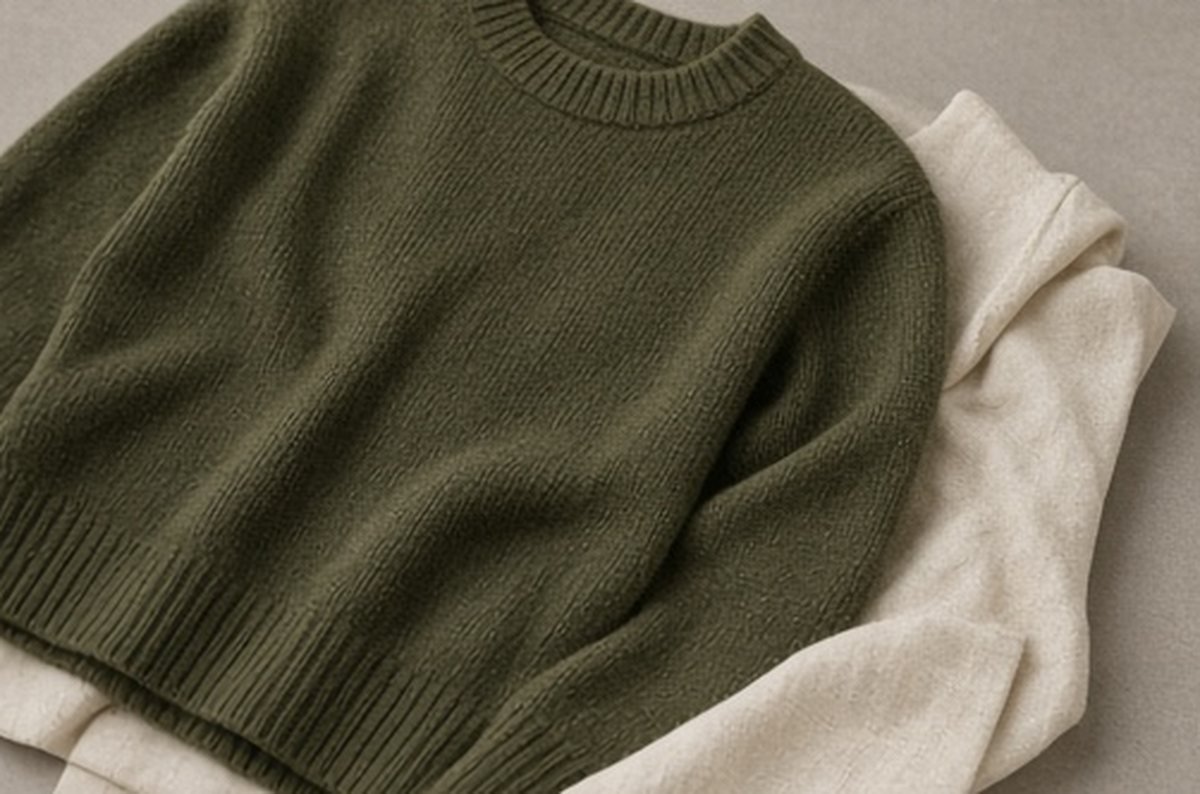
A thick sweater can look reassuring when the weather changes. But thickness alone does not tell you whether a knit will be comfortable at your desk, fit beneath your coat or suit a long walk. A lighter layer may do the job better in one situation, while a more substantial piece is useful in another. Start with the job rather than the visual weight.
This is a wardrobe comparison, not a technical warmth rating. Actual comfort depends on the garment, other layers, activity and conditions. Avoid assigning a temperature promise to a fabric name or photograph. You need enough information to choose for your day, not a universal ranking of sweaters.
Describe the setting
Write down where the layer will spend most of its time. A heated office, a cool home, a short commute and an outdoor afternoon create different requirements. Include the transitions. A piece that feels excellent while stationary may be too warm during the walk that follows.
Consider whether you can remove and carry it. A heavy knit may be easy to leave on a chair at home but awkward to transport once the afternoon warms up. If your day requires frequent changes, the carrying plan belongs in the decision alongside comfort while wearing it.
Do not make one garment solve every season. A reliable role in a limited set of conditions can justify its place. Clear roles are often more practical than trying to find a single sweater that works equally well indoors, outdoors and during active travel.
Test the layer beneath outerwear
Put on the top you normally wear underneath, then the knit and your intended coat. Move your arms, sit and reach forward. Check sleeve bulk, shoulder pressure and whether the coat closes comfortably. A knit that fits alone may not fit as part of the system.
Try a lighter existing layer for comparison. Notice whether movement improves and whether the combination still feels suitable for the conditions. The goal is not always fewer layers or less fabric; it is an arrangement that gives you the protection and freedom you need.
If the coat becomes restrictive, do not simply assume it needs replacing. Another knit shape or sleeve construction may solve the interaction. Equally, if no layer works beneath it, the outerwear fit may be the more important issue. Diagnose the combination before buying another middle piece.
Compare construction and feel
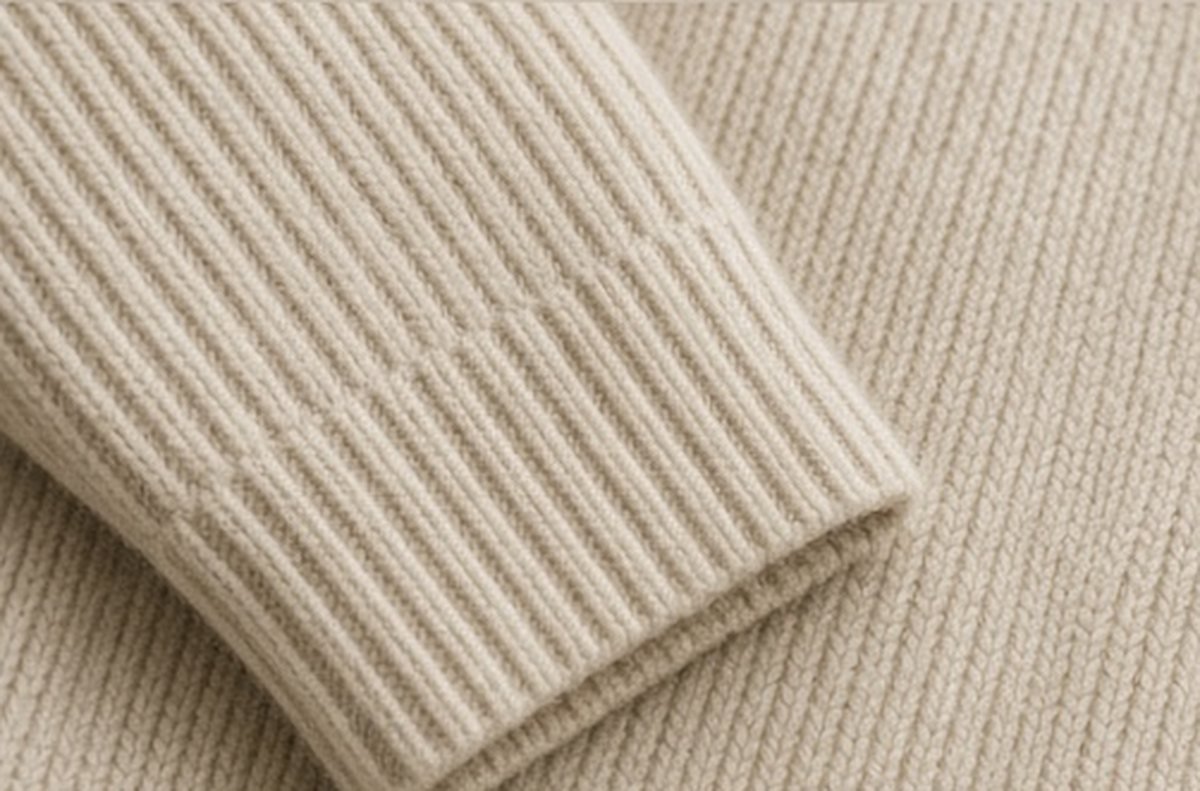
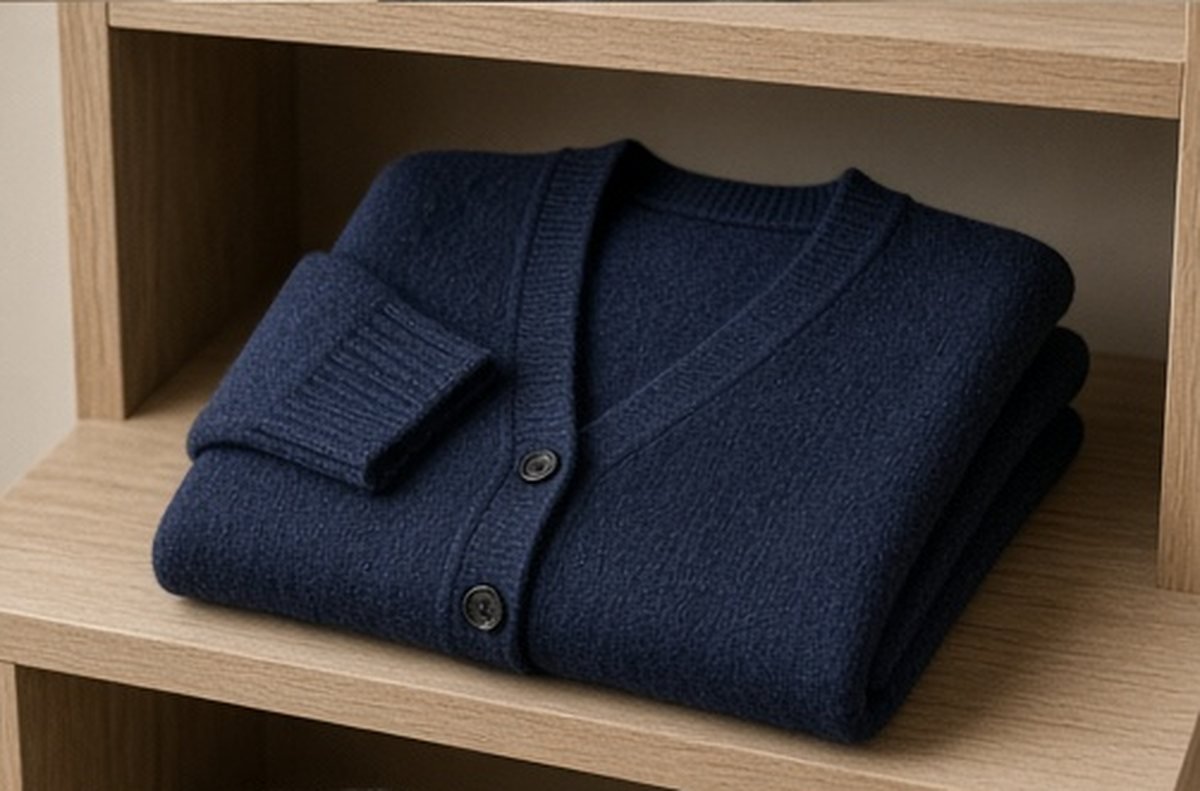
Read the full composition and look at the knit structure, neck, cuffs and closures. A cardigan and a pullover offer different adjustment options even when their fabrics appear similar. Check how each feels against the layers and skin it will actually touch.
Do not assume one fibre or blend is universally comfortable. Texture, finish, seams and personal preference all matter. If a knit irritates you, consider a suitable underlayer or another material rather than forcing it into everyday use because its description sounds ideal.
Assess the weight on your shoulders and how the garment hangs. A substantial knit can feel pleasantly structured to one person and cumbersome to another. That response is useful information, not evidence that you are wearing the category incorrectly. Choose the piece you willingly reach for.
Include storage and maintenance
Check the care label before adding a knit to a high-frequency rotation. Washing, drying and reshaping requirements can affect how available it remains. A layer that needs more drying space than you have may be difficult to maintain even if it is comfortable.
Consider between-wears handling too. Some knits need supported storage to avoid distortion. A heavy garment casually hung by the shoulders may not behave like a robust woven jacket. Follow the relevant instructions rather than assuming all sweaters tolerate the same treatment.
Inspect for marks, odour and damage after use instead of assigning a fixed number of wears before cleaning. Activities and conditions vary. A backup layer can make maintenance easier by allowing one piece to be cleaned or repaired without disrupting the whole week.
Run a simple comparison week
Choose two existing knits with different weights or structures and use them in appropriate ordinary situations. Keep brief notes about movement, temperature, layering and care. Do not deliberately wear an unsuitable outfit into bad weather simply to complete the experiment.
At the end, ask which piece solved which problem. Perhaps the lighter cardigan worked under a coat while the heavier pullover was useful at home. That is a successful division of labour, not a reason to declare one garment superior in every respect.
If a gap remains, write a specific brief: a layer with sleeves that fit my coat, a cardigan comfortable for typing, or a warmer piece manageable in my available drying space. These requirements will help you compare options more effectively than shopping by thickness alone.
Check whether a forgotten garment, small repair or different underlayer can meet the brief before buying. A useful discovery may already be in the wardrobe. New clothing becomes a more considered choice when you can name the exact improvement it needs to provide.
For cardigans, try the closures during the comparison too. Buttons or a zip may allow convenient adjustment, but only if they are comfortable and easy for you to use. A pullover can be simpler in other circumstances. The practical advantage belongs to the specific design and wearer, not the category alone.
The best knit layer is the one that supports the intended day without creating avoidable problems elsewhere. Thickness can contribute to that, but it is only one feature. Movement, complete-outfit fit and manageable care turn a promising sweater into something genuinely useful.