
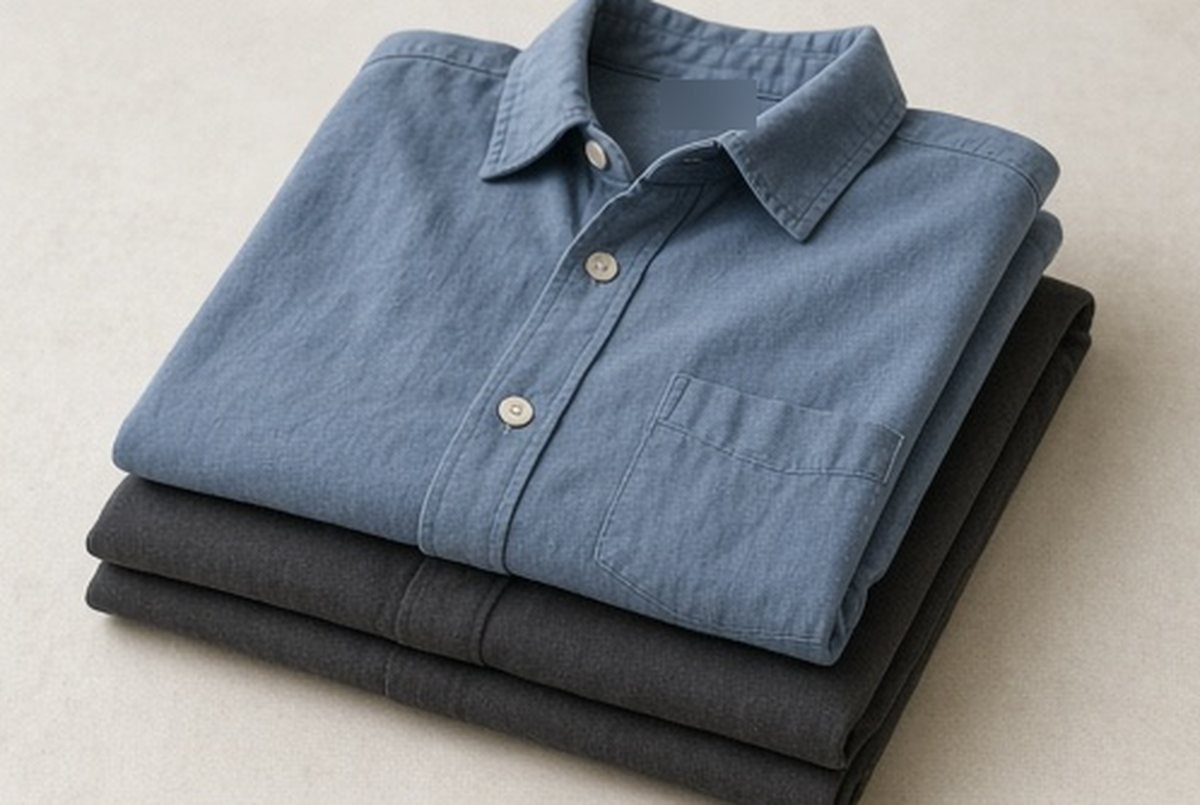
A shirt can look completely different loose, fully tucked or partly tucked. Those options are useful only when they feel comfortable with the waistband and movements of the actual day. Before adding a belt or another styling piece, establish which arrangement you genuinely want to wear.
Per the brand, WE-AR4 presents a product named The 90's Shirt on its site. The name does not establish the garment's exact length, material, fit or vintage status. This guide uses it as a starting point for outfit questions, not as a hands-on review or a claim that a decade-inspired name dictates how the shirt should be styled.
Choose the bottom first
Use trousers or a skirt you already find comfortable. Note the waistband position and how you normally wear tops with it. A shirt tucked into a high waistband can create a different arrangement from the same shirt worn with a lower one, so the lower half is not a background detail.
Avoid selecting an unfamiliar bottom merely because it resembles the brand's photograph. The useful comparison begins with your ordinary outfit. If the new shirt only seems plausible with another new garment, count that consequence before treating it as an easy addition to an existing capsule.
Read the exact length and cut
Check the selected product's measurements, construction and hem information. Do not infer them from the name or from another WE-AR4 piece. If the listing does not answer a question important to your intended tuck, ask for clarification rather than guessing from the model's proportions.
Compare a similar shirt you own using the seller's measuring method where available. Note how much fabric is involved at your usual waistband. A familiar letter size is not a complete length or volume description. The comparison should explain the outfit you want to build, not simply identify the closest label.
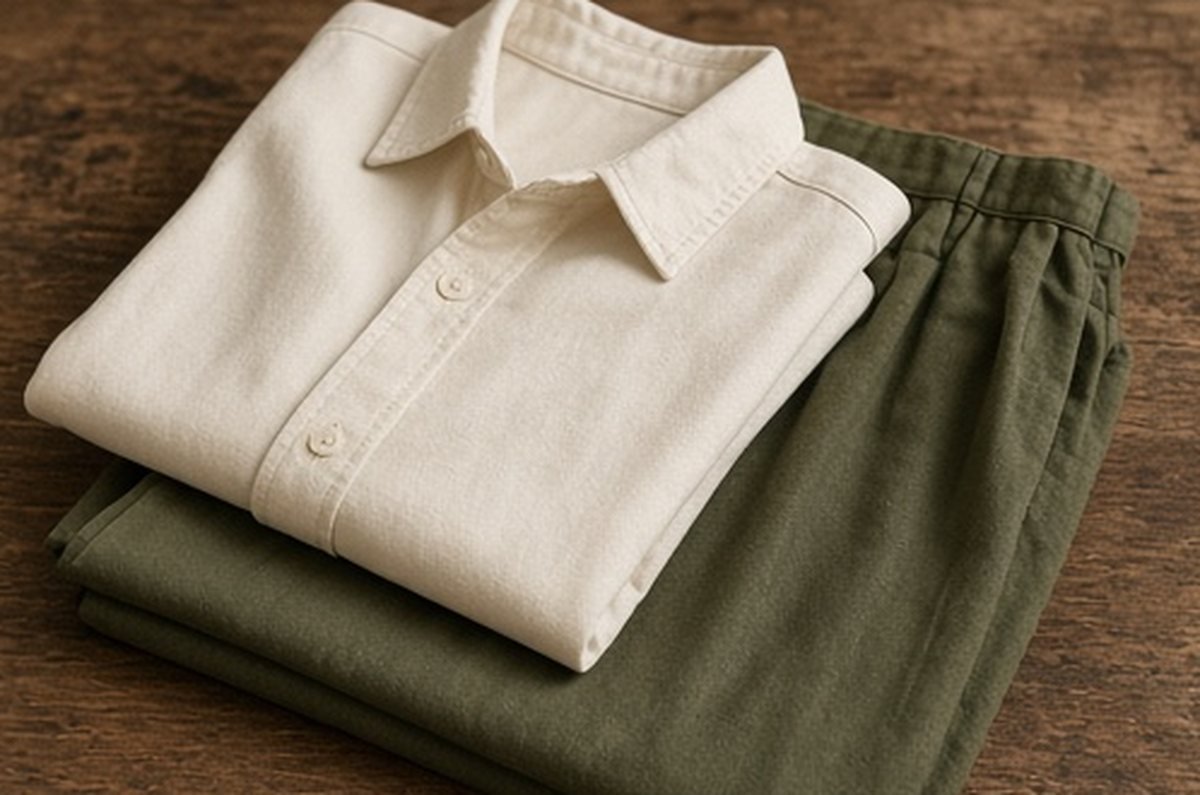
Try the loose version honestly
Before tucking, assess the shirt worn naturally with the chosen bottom. Check where the hem falls, how it sits when seated and whether you like the complete silhouette. You do not need to prefer a loose version, but it provides a useful reference for what the tuck is meant to change.
Do not hold fabric in place for a mirror image and count that as a workable outfit. If the desired shape requires constant handling, record the issue. A garment may still be useful in one arrangement, but a practical capsule should not depend on maintaining a pose throughout the day.
Compare one deliberate tuck
Choose the tuck you actually expect to use rather than trying every possible variation. During a careful fitting that respects applicable return conditions, arrange it normally without forcing fabric into the waistband. Notice the amount of material and whether it feels comfortable where you sit or bend.
A tuck can change the visual proportions without resolving a fundamental fit mismatch. If the shirt pulls at the shoulders or the waistband becomes uncomfortable, a belt is not automatically the answer. Keep those problems separate from the styling preference so you can identify what, if anything, needs to change.
Sit and reach before deciding
Use ordinary seated and reaching movements to assess the combination. A shirt may shift as you move; the question is whether the change is acceptable to you or requires repeated rearrangement. There is no need to expect identical appearance in every position.
Check coverage according to your own preferences and the intended setting. Do not choose an arrangement solely because it looks more polished while standing if you dislike it for the position you occupy most. The useful outfit works through the day, including the less photogenic moments at a desk or on transport.
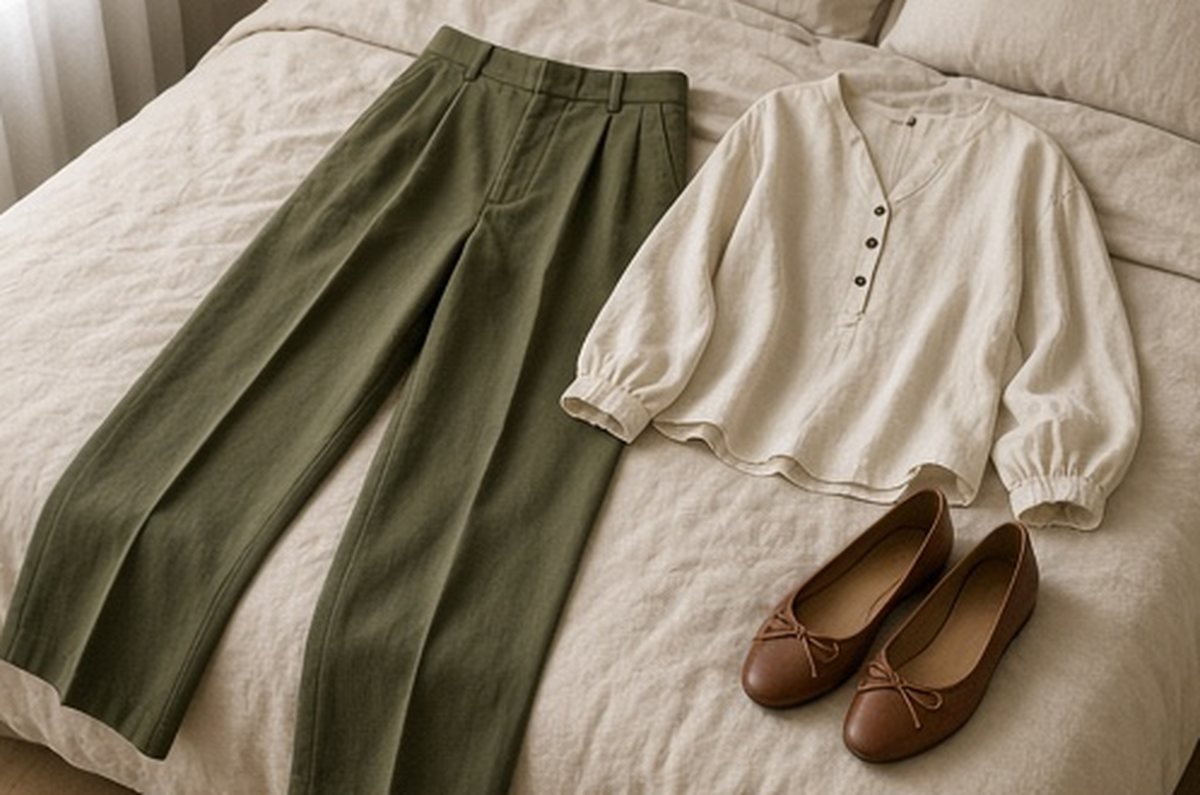
Ask what a belt would actually do
If you want a belt, name its role. It may serve a practical purpose with the bottom, provide a visual detail you enjoy or add an unnecessary pressure point. Those are different reasons, and none should be assumed simply because the shirt is tucked.
Start with a belt you already own if appropriate. Do not buy one to rescue an unclear fit without understanding the problem. If the bottom fits comfortably and the tuck works without it, the belt can remain an optional preference. A successful outfit does not require every accessory visible in a product photograph.
Add the layer and bag
Try the likely cardigan, jacket or coat with the chosen shirt arrangement. Check that sleeves cooperate and the tuck remains comfortable under the added layer. Include the bag you normally carry, especially if its position meets the waistband or changes how you move.
Read the shirt's exact composition and care information as a separate part of the decision. A product name and a workable tuck do not establish maintenance requirements. The outfit earns repeated use only when the pieces can be kept ready through the care routine you actually provide.
Save the useful arrangement
Record the bottom, waistband position and shirt arrangement that worked. A short note or private photograph can help you repeat it without recreating a lengthy styling session. Do not turn the result into a rule that every shirt needs the same treatment.
A decade in a product name can suggest an aesthetic, but it does not choose your daily outfit. The practical decision comes from dimensions, comfort and the surrounding clothes. Checking the tuck first keeps accessories in their proper place: useful or enjoyable additions, not compulsory solutions to a fit question that has not been answered.