
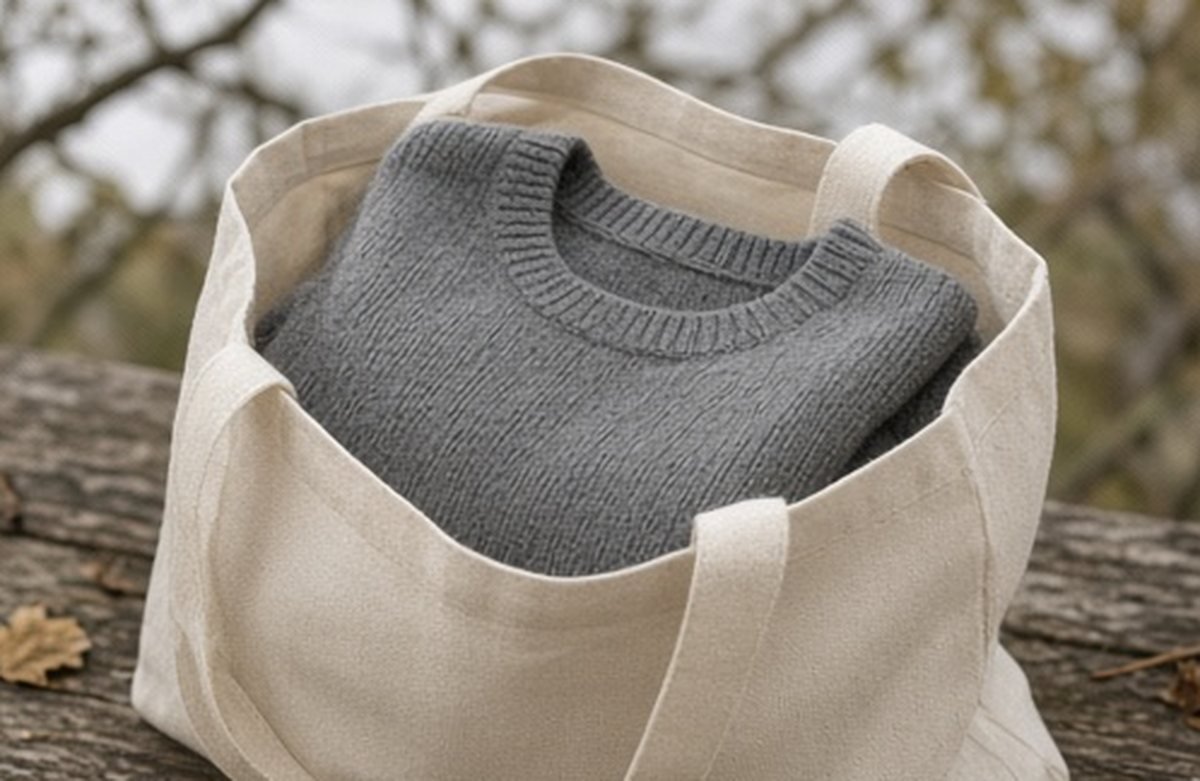
A removable layer is only part of a flexible outfit. The rest of the plan is what happens when you take it off. A cardigan that fits beautifully beneath a coat can become an awkward bundle if the day bag is already full and you need both hands for the next part of the journey.
Before choosing another travel layer, pack the bag you already use with its ordinary contents. Then test the arrangement in the states you actually expect: all clothing worn, middle layer removed or outer layer removed. The aim is a manageable day, not the smallest possible garment count or a perfectly styled packing photograph.
Count the bag's existing jobs
List what genuinely needs to travel in the day bag: personal essentials, documents where relevant, food or another necessary item. Remove accidental clutter, but do not pretend essential contents will disappear to make room for clothing. The useful capacity is what remains after the bag's real jobs are accounted for.
Keep items that need protection or quick access in suitable positions. A layer should not make medication, tickets or another necessary item difficult to reach. This is an organisation question, not a recommendation to change how you manage important belongings without considering their actual requirements.
Choose the layer's off-state
Decide whether you expect to fold, loosely place or otherwise carry the garment according to its construction and care needs. Do not assume every knit benefits from the same folding or hanging method. A heavy piece, delicate surface or structured detail may need a different arrangement.
Avoid forcing the garment into a space that compresses it against unsuitable objects or strains the bag. A theoretical volume estimate is less useful than packing the actual combination carefully. If the layer only fits when the bag is empty, it is not yet a practical option for the real day.

Rehearse one ordinary transition
Put the bag and outfit into their likely starting arrangement. Remove the intended layer, store it appropriately and retrieve a commonly used item. Then reverse the process. There is no need for a timed performance; notice where the sequence becomes inconvenient.
Check whether the removed piece blocks an opening, catches on something or requires you to empty the bag. The useful change may be rearranging existing contents or choosing another familiar layer. Do not assume the answer must be a specialist travel garment or a larger bag before identifying the specific obstacle.
Keep damp items outside the clean plan
If rain or another source of moisture is relevant, think about how a damp outer piece will be kept from clean clothing and other belongings. Use suitable temporary separation and attend to the garment appropriately when facilities are available. A sealed container is not a long-term drying method.
Do not count the same bag space twice by assuming a clean folded layer and a wet coat can occupy it without consequence. The outfit plan should recognise the state of the items, not only their size. Appropriate outerwear and product-specific care guidance remain separate requirements from convenient carrying.
Be realistic about carrying by hand
Carrying a removed coat or layer by hand may be entirely practical for part of the day. Consider the tasks ahead, the other items you will carry and whether that arrangement remains comfortable. It is a choice to assess, not an automatic failure of the capsule.
Avoid relying on another person to carry the garment without agreement. Likewise, do not assume a spare seat, hook or cloakroom will be available. Confirm storage where it matters and keep belongings clear of shared routes. A flexible outfit should not depend on claiming space you cannot count on using.
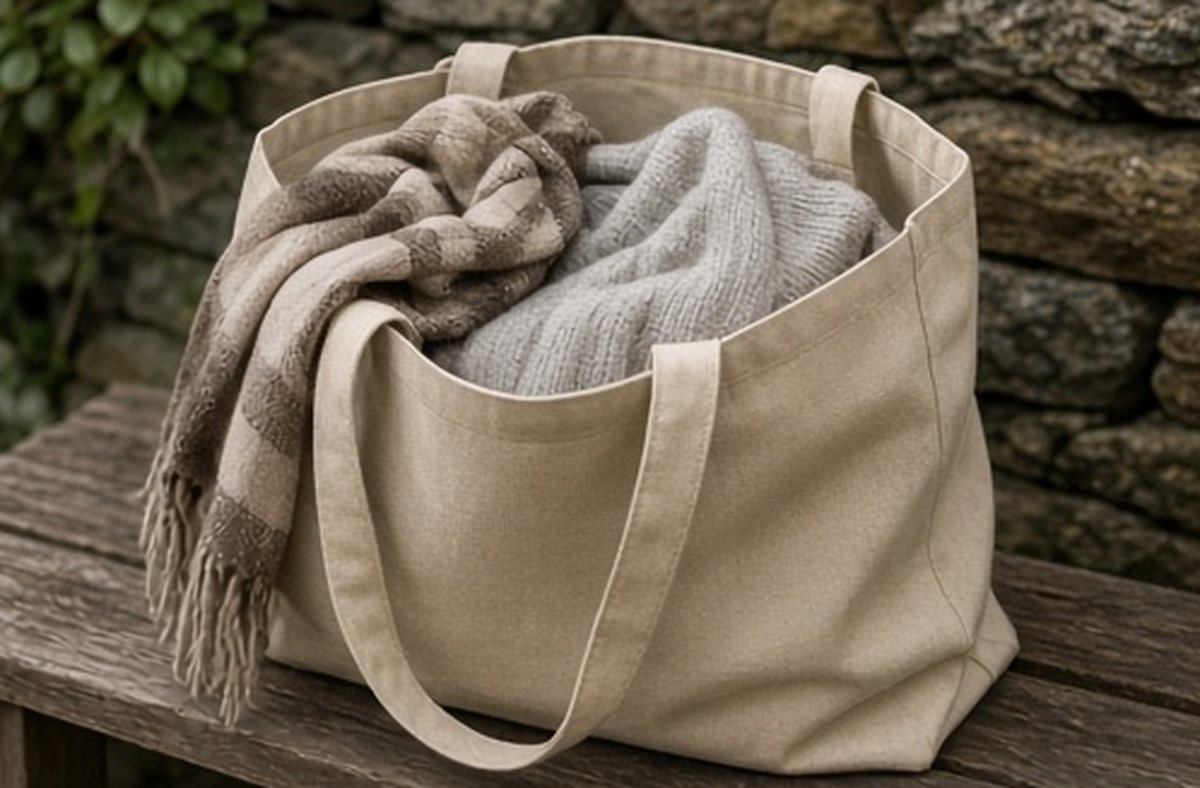
Compare alternative combinations you own
Try another existing middle layer if the first arrangement does not work. Compare not only folded size but comfort while worn, compatibility with the outer layer and care. A smaller piece is not a better answer if it fails the role that made you pack a layer in the first place.
You may also decide that one appropriate layer covers the actual day better than two awkward ones. Base that choice on the expected conditions and your comfort rather than a rule that fewer garments are always superior. The useful combination balances wearing and carrying requirements without ignoring either.
Preserve access during the day
After the first transition, keep the bag understandable. Return essentials to known places and avoid turning the removed layer into a temporary pocket for small objects. Something tucked into fabric can be forgotten when the garment is put back on or moved elsewhere.
If the day changes, reassess rather than insisting on the original arrangement. You may need suitable storage or a different route to managing the clothing. The plan is a practical aid, not a promise that every possible condition can be handled with the same bag configuration.
Note what caused the difficulty
Afterward, record the specific problem: a layer too bulky for the available space, an opening blocked by fabric or a damp item with no appropriate temporary separation. A clear observation can improve the next outfit without becoming a general complaint that all travel clothes are impractical.
The best removable layer is one you can comfortably wear, take off and manage. Planning its off-state makes the capsule more honest because the clothing still exists when it leaves your shoulders. A familiar bag and a few careful transitions can reveal that information before you buy anything new.