
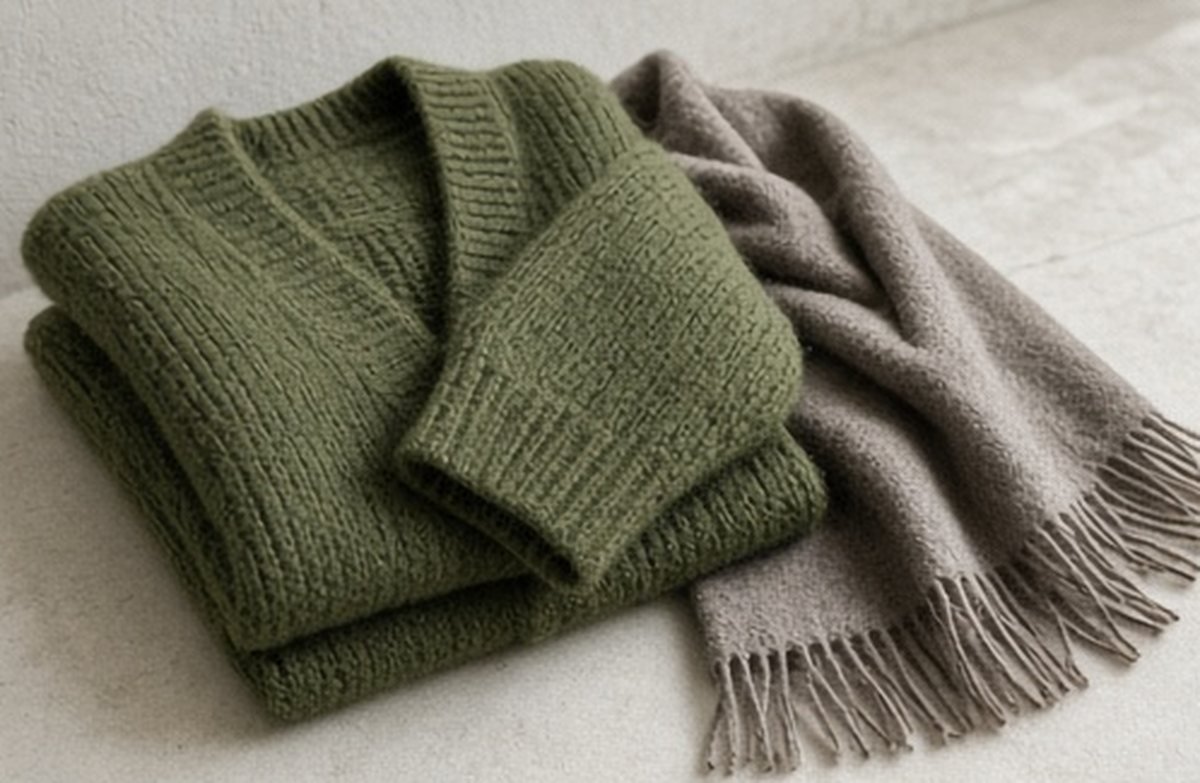
A decorative winter accessory can provide an outfit's main visual detail without requiring a new collection of matching pieces. Start with the accessory you actually enjoy, then see which familiar garments let it sit comfortably within the whole outfit. The goal is a useful combination, not a perfectly coordinated display.
Per the brand, French Knot describes hand-knit and hand-embroidered accessories and work with women artisans in Nepal. Those are attributed brand statements, not independent verification of production or a claim about every item's exact fibre. Read the selected accessory's own material and care information before treating the broader story as a product specification.
Choose the actual focal piece
Use one accessory rather than an entire category in your imagination. Look at its visible colours, scale and shape in ordinary light. You may like the embroidery as a whole without wanting every colour repeated elsewhere in the outfit.
Keep the decision rooted in an item you own or can appropriately assess. A small product image may suggest an idea but cannot establish the complete relationship with your coat and other clothes. The styling exercise becomes clearer when the central piece is a real object rather than a loosely remembered mood from several different photographs.
Build the practical outfit first
Choose suitable clothing for the activity and conditions, including appropriate outerwear. The accessory should join a workable outfit rather than replace clothing or equipment required for a particular setting. Decoration is one part of the brief, not a substitute for every practical need.
Start with familiar pieces whose fit you understand. This lets you judge the visual relationship without also solving several new comfort problems. A successful outfit may use the same coat and trousers you wear often, with the accessory providing enough change on its own rather than demanding a different supporting wardrobe.
Repeat one colour if you want to
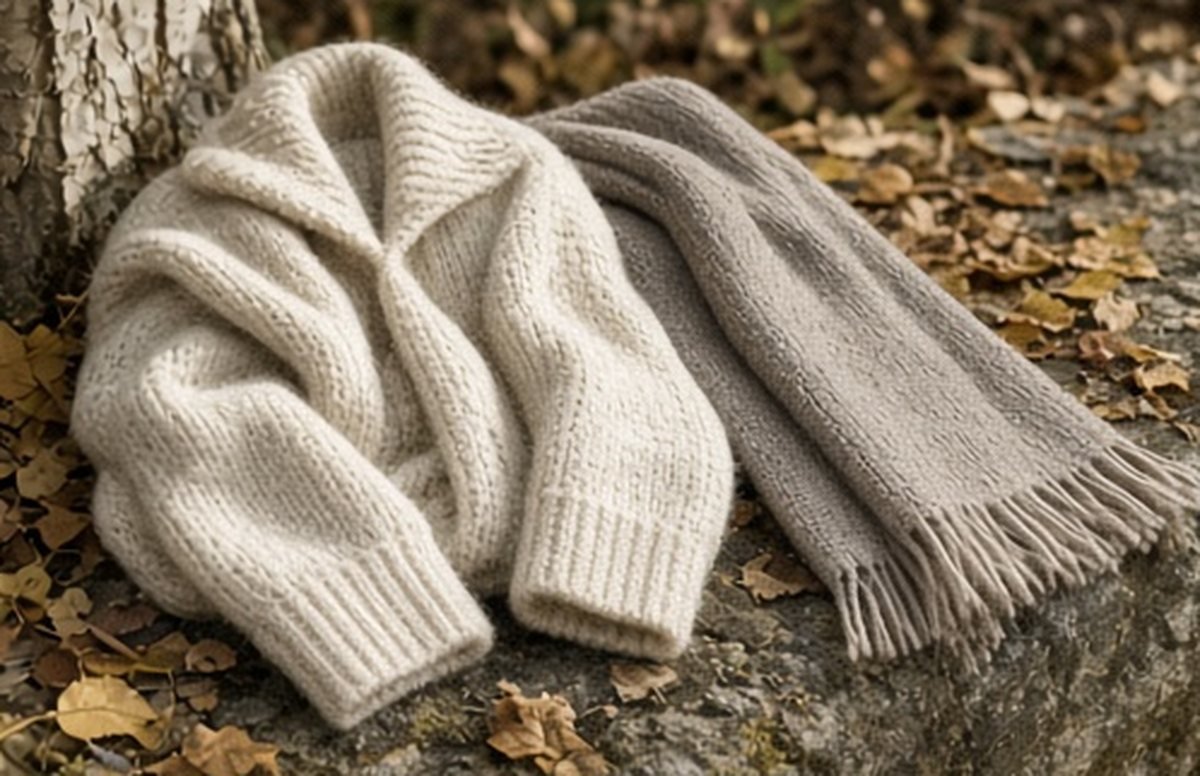
If a colour connection appeals to you, choose one already present in the accessory and look for an existing garment that relates to it. The relationship need not be exact. A quiet echo can be useful without turning every shade into a requirement.
Do not interpret an unmatched colour as a gap that must be filled. Embroidery can contain more detail than the rest of the outfit needs to repeat. The accessory can remain the only place a particular shade appears, and the combination can still feel intentional. A capsule palette is a tool for dressing, not a contract requiring symmetrical colour coverage.
Keep competing details deliberate
Add another patterned or textured piece only if you enjoy the actual combination. There is no universal rule that one decorated item forbids another. The useful question is whether the whole outfit feels like something you want to wear, not whether it obeys a fixed limit on interest.
If you are unsure, compare the accessory with a simpler existing base. Change one piece at a time so you can see what matters. Removing a competing detail can make the focal item easier to enjoy, but that is a preference-driven choice rather than a technical requirement about how embroidery must be styled.
Check contact and handling
Assess the accessory with the actual coat, collar, cuffs or other nearby pieces as relevant to its design. Handle it gently and follow its guidance. Do not drag decorations or textured areas across another fabric to test whether they might catch.
If a particular combination feels awkward, use another familiar arrangement rather than forcing the pieces together for visual coordination. An outfit has to function through movement, removal and carrying. A decorative detail does not need to be fragile to deserve ordinary attention to what sits beside it and how it is handled during the day.
Plan the accessory off-body
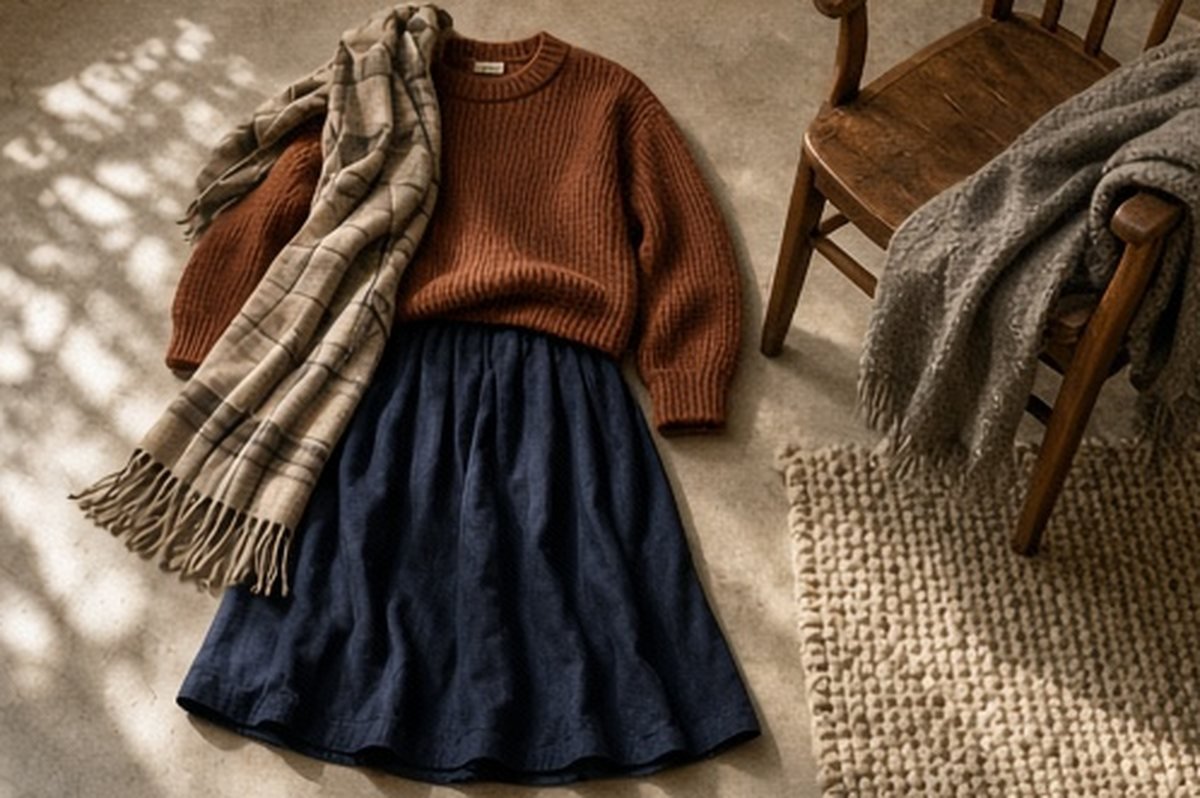
Choose an appropriate temporary place when the piece comes off. Avoid leaving it buried among unrelated belongings or using it as padding for objects that need their own storage. Follow the item's care and handling needs rather than assuming every knitted accessory can be folded or hung identically.
In shared spaces, keep the item recognisable and respect the available room. You do not need special equipment for every outing, but the storage arrangement should be real. The accessory is easier to use frequently when removing it is as manageable as putting it on at the start of the day.
Read the whole item's care
Use the actual label and any applicable product guidance. A general wool or mohair story does not establish the complete cleaning method for every accessory, especially where decoration or other components are present. Do not invent separate treatment for embroidery without appropriate information.
If care instructions are missing or unclear, ask before treating the item. The brand's craft account can make you interested in the piece, but it should not prompt an improvised cleaning method intended to protect something you have not properly identified. Clear care information supports regular use more effectively than vague caution around a valued accessory.
Repeat before expanding
Wear the successful outfit again and note the specific combination. You may discover that the accessory provides enough variety with several familiar clothes, or that it belongs mainly with one coat. Either result can be useful without requiring a matching purchase.
One embroidered accent can lead through colour and detail while the rest of the outfit does its ordinary work. Let the relationship remain personal and practical. Enjoying the decoration does not require turning every stitch into a styling rule or every unused colour into a reason to add more clothing to the wardrobe.