
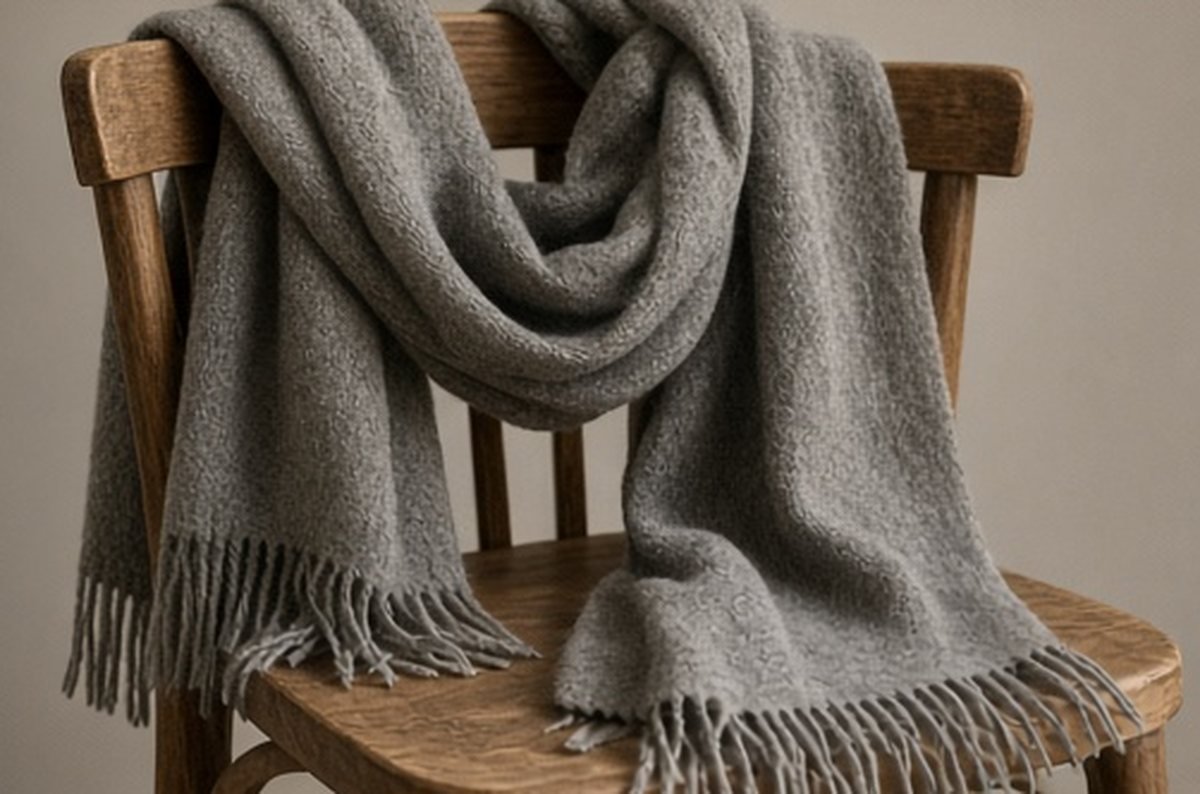
A winter accessory can look like an easy gift because it avoids some of the fitting questions of a dress or trousers. It still touches the wearer, sits against other clothing and needs care. Texture preferences can matter as much as colour, especially for an item intended to be worn close to the neck, ears or hands.
Per the brand, French Knot describes hand-knit accessories made with women artisans in Nepal and uses wool and mohair language in its material story. These are the brand's descriptions, not independent certification or a guarantee that every piece will feel comfortable to every wearer. Start with the recipient's preferences and the exact item.
Ask what they already enjoy wearing
Find out which familiar accessories the recipient actually uses. Ask about texture, coverage and the way the item sits with a coat. A simple preference for a smooth surface, a particular fit or a known care routine is useful information without requiring the person to justify it.
Do not infer comfort from a photograph that looks fluffy or soft. Nor should a positive description from another wearer override the recipient's own experience. A gift is more considerate when it respects a stated preference than when it asks someone to tolerate a texture because the piece was chosen thoughtfully in other ways.
Identify the exact accessory
Read the product title, composition and dimensions for the item under consideration. A brand's broad material language does not establish the percentage or construction of every accessory. Keep hats, gloves, scarves and other pieces separate in the comparison rather than treating them as one interchangeable gift category.
If a material detail matters, ask before ordering. Avoid claims such as universally non-itchy or suitable for everyone that the information cannot support. The appropriate scope is what the brand states about the exact item and what the recipient knows about their own preferences, not a prediction about every person's response.
Compare the contact area
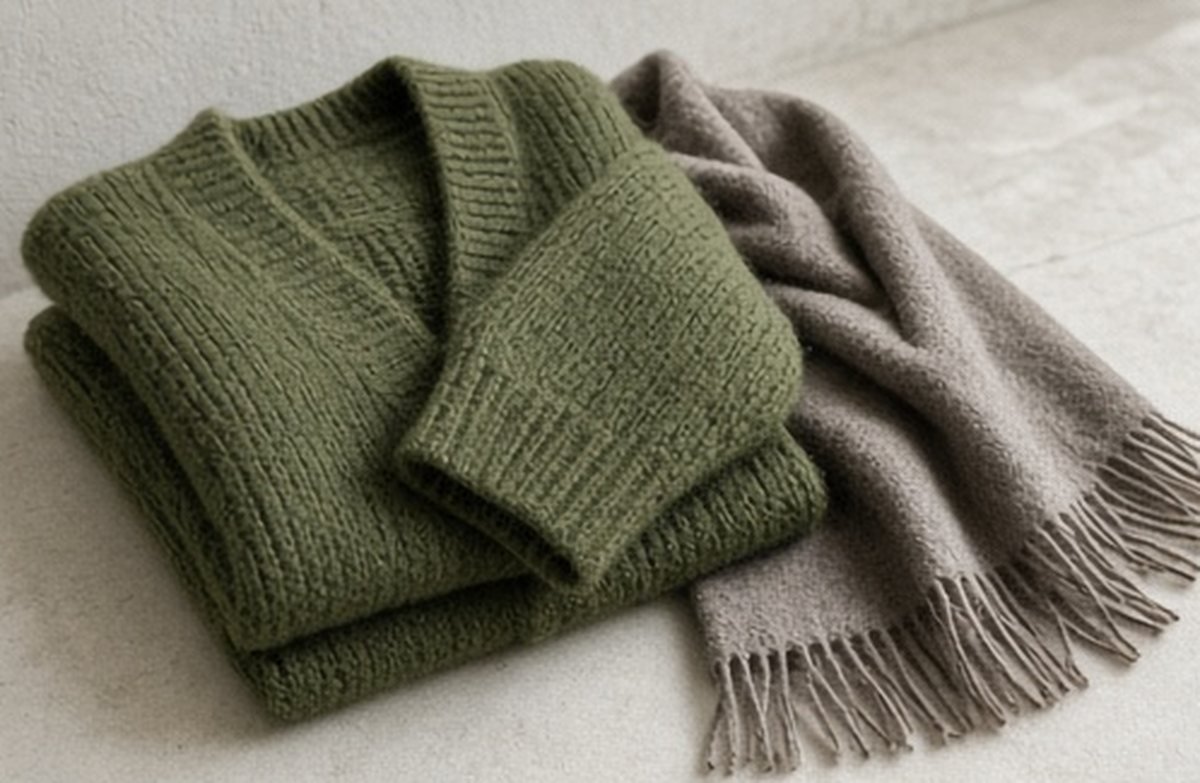
Consider where the accessory will sit in the intended outfit. A hat, cuff or scarf can meet skin, hair, a collar or another layer in different ways. The same person may like a texture in one position and dislike it in another, so a general preference may need a little context.
Use a familiar item as a reference where the recipient wishes to help. The goal is not to conduct a material test or diagnose sensitivity. It is to understand ordinary use. If a relevant concern requires specialist advice, a gift guide cannot resolve it through a fibre name or a reassuring brand description.
Include the coat and daily tasks
Ask what coat or outer layer the accessory will usually accompany. Check whether the shape, bulk and coverage make sense together. A beautiful piece may remain unused if it repeatedly competes with a hood or feels inconvenient at the cuffs.
Think about the tasks involved too: carrying a bag, managing a fastening or putting the item away indoors. Do not assume an accessory is practical solely because it is small. If it is intended for a particular activity, verify the relevant requirements rather than treating a winter styling description as proof of technical suitability.
Read care as part of the gift
Check the exact label and product guidance before choosing. Do not assume all wool- or mohair-containing accessories use the same cleaning process. Construction, decoration and other components can affect what is appropriate, and a generic routine may not suit the actual piece.
Ask whether the recipient is comfortable providing the required care. A gift should not quietly introduce a task they dislike or cannot realistically manage. You do not need to add a collection of care products automatically; the useful gift information may simply be a clear label and a practical understanding of the maintenance involved.
Keep a real choice available
Read the applicable order and return conditions for the exact purchase. Do not assume the recipient can exchange a gift locally or without the relevant information. If fit or texture is uncertain, consider choosing together or agreeing on a shortlist before placing the order.
Make declining genuinely acceptable. An accessory that does not feel right should not become something the recipient keeps only to protect your feelings. A practical return or another mutually agreed arrangement supports the gift's purpose. It is better than presenting choice as available when the conditions make it difficult to use.
Choose colour after the practical brief
Once the texture, shape and care requirements are clear, use the recipient's existing clothing as the colour reference. A favourite coat or repeated outfit can provide a more useful starting point than a general idea of what colours they should wear.
Do not assume a neutral is always safer or a bold piece always more personal. The recipient's preferences decide that question. A screen can help compare the brand's options, but it cannot guarantee an exact match. Keep colour as a considered preference rather than letting it distract from the requirements that determine whether the item will be worn.
Pass on the useful details
Include the care information and any relevant order details through an agreed arrangement. Keep claims modest: the brand's artisan and material story can be shared as the brand's account, without adding invented provenance or an environmental saving you cannot verify.
A thoughtful accessory gift combines visual pleasure with practical respect. It fits the way the recipient dresses, feels acceptable to them and comes with manageable care. Asking about texture does not remove the surprise or affection from the gift; it makes it more likely that the chosen piece becomes part of an ordinary winter day.