
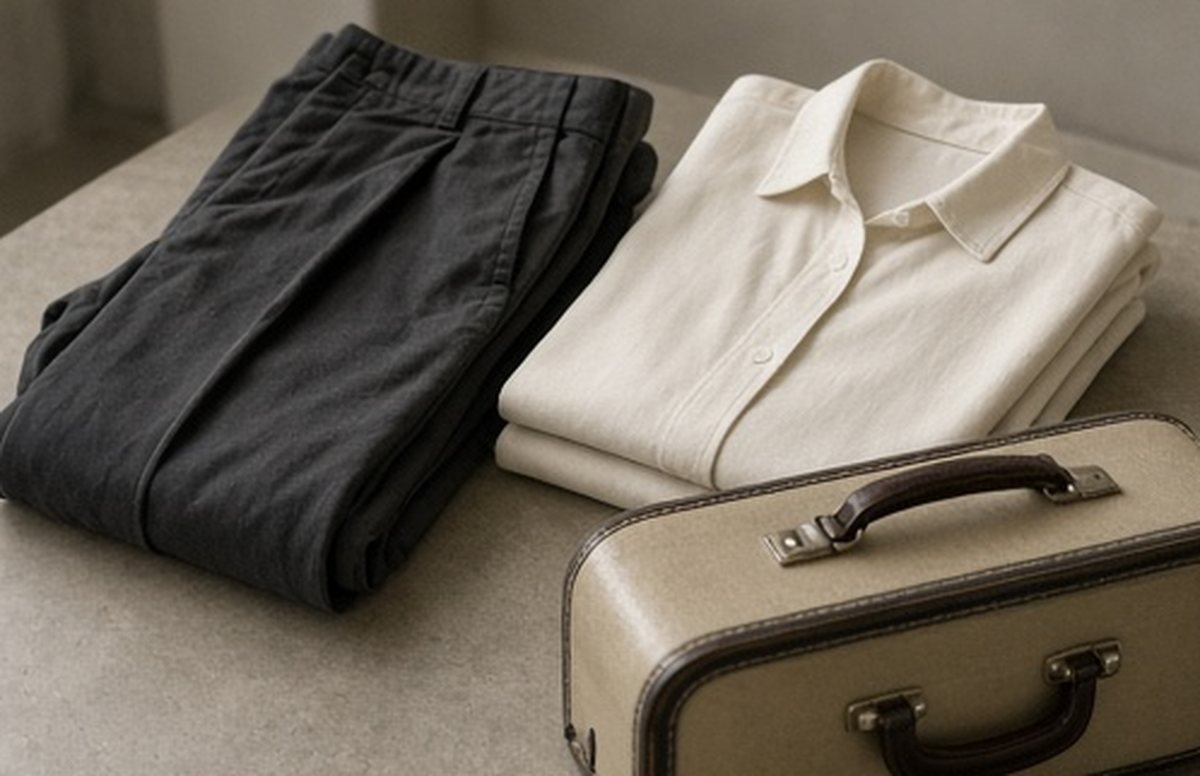
A jogger can look like an obvious choice for a long transit day. A relaxed shape suggests comfort, and performance language can make it sound ready for every part of the journey. The useful question is narrower: does the exact garment support your sitting, walking, carrying and temperature needs?
Per the brand, State of Matter's official website highlights the Triton Jogger and describes it using performance and comfort language. Those are the brand's claims, not independent test results from this publication. Treat them as a starting point for research rather than a guarantee of your own experience.
Write the transit-day brief
List the longest seated period, walking between connections, likely weather and any immediate plans after arrival. Include what you will carry. A garment needs to work with your shoes, bag and layers rather than solve travel in isolation.
Distinguish casual arrival plans from settings with a particular dress expectation. A jogger-style silhouette may be suitable in some places and not others. Do not assume a streamlined photograph establishes universal appropriateness for work, restaurants or events.
Read the actual specifications
Check composition, measurements, construction and care on the exact current listing. A brand's general materials story does not establish a particular percentage or fabric behaviour for every item. Keep unspecified details marked as unknown.
If recycled-material claims matter to your decision, read the product-level explanation and scope of supporting information. Do not translate a material claim into a complete environmental verdict. This article does not independently verify impact comparisons or certification status.
Give the waistband time
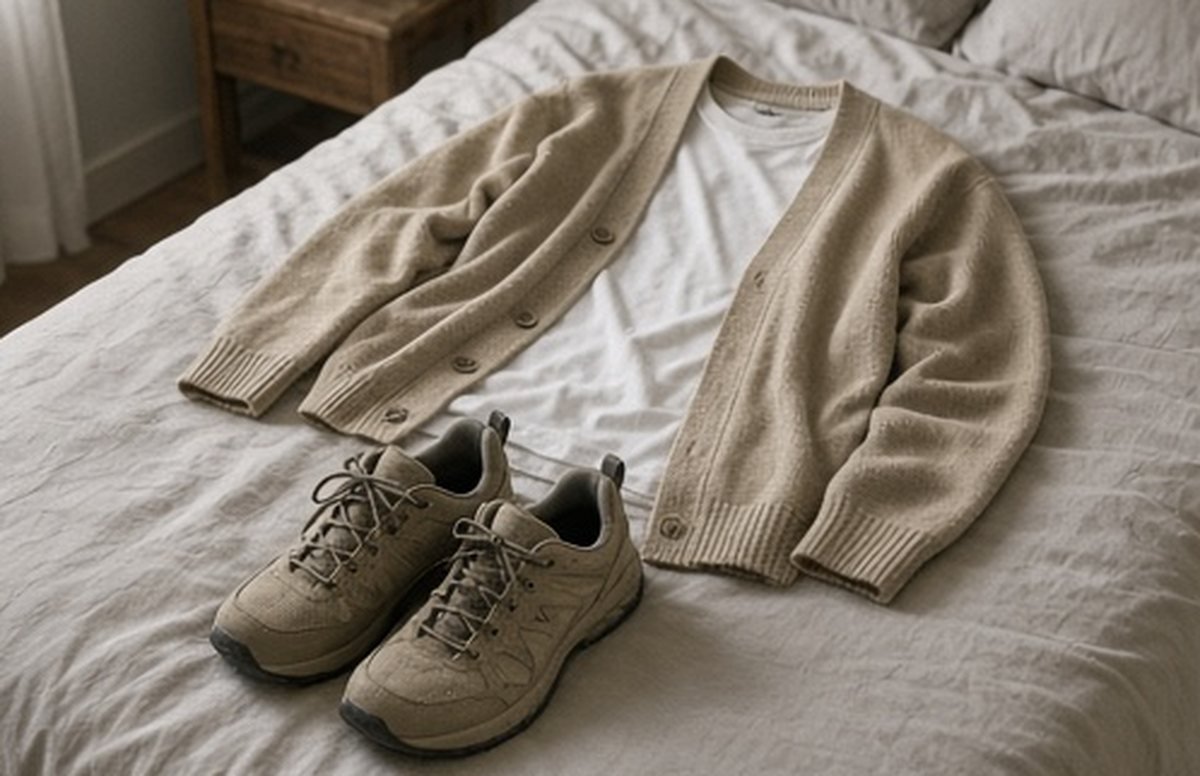
Try a normal seated position for several minutes where an appropriate try-on is possible. Notice pressure, rolling, slipping and any closure or tie against the body. A brief standing assessment can miss what becomes uncomfortable during a journey.
Use the underwear and other layers you actually intend to wear. Adjustable details have a working range, not unlimited flexibility. A tie pulled very tight may secure a garment without creating the comfortable fit you wanted. Choose the result that works without constant negotiation.
Test movement between seats
Walk, turn and lift each knee safely. Check pulling at the seat and thighs, and whether the hem interferes with shoes. The complete pattern matters; stretch alone cannot compensate for every unsuitable cut or size.
If you expect to carry a backpack or use a long outer layer, add those during the assessment. A waistband or pocket can feel different once a belt, strap or coat presses against it. Travel comfort is an interaction between pieces.
Load the pockets realistically
Insert the essentials you would carry there, then sit and walk again. A phone can press into a thigh, distort the leg or become awkward to reach. Empty-pocket photographs cannot establish loaded comfort or convenient access.
Consider whether a small bag is a better place for heavier or valuable objects. More storage is not automatically better storage. The goal is a balanced system that keeps what you need accessible without making the trousers unpleasant to wear.
Check cuffs and hems
Look at how the lower leg sits with your actual footwear and socks. A cuff can provide a defined shape but may feel different across wearers. Check pressure and movement rather than assuming a familiar jogger label predicts the result.
If the length seems unsuitable, ask about construction before relying on alteration. A shaped or cuffed hem can require different work from a plain trouser finish. A realistic professional assessment is more useful than an assumption that shortening is always straightforward.
Plan the temperature system
A journey can include warm terminals, cooled cabins and outdoor waits. Test the layers you intend to add or remove. No single trouser description guarantees comfort across every transition, especially when your activity level changes.
If a base layer is necessary for one part, check that it fits beneath comfortably. Do not assume stretch creates unlimited space. If another garment would handle the conditions more reliably, it is reasonable to choose it even when the jogger looks convenient on paper.
Read care before packing
Follow the individual instructions for washing and drying. A performance label is not a promise of a fixed drying time in every accommodation. Waistbands, pockets and doubled areas can remain damp after the main leg fabric feels ready.
Keep a modest alternative available for plausible disruption. A spill or damaged closure can remove an only pair from use. Packing light works better when the plan can recover from ordinary mishaps rather than depending on one garment staying ready indefinitely.
Keep the footwear comparison practical too. A pair that works with one shoe may hang differently with another sole height or shape. Try the actual travel shoes rather than assuming any casual shoe will reproduce the same hem position and ease of movement.
Make a personal comparison
Compare the proposed jogger with trousers already used comfortably for travel. Identify the improvement needed: seated ease, movement, pockets or care. If the current pair still solves the problem, a new description does not create a replacement requirement.
The best transit trousers become unremarkable during the journey. State of Matter's Triton name may lead you to a product, but a clear brief and garment-level checks determine whether it belongs in your own travel wardrobe. Comfort should be demonstrated in the relevant situation, not borrowed from a slogan.
Brand source
Product-name and positioning references are per State of Matter's official website. Verify current materials, measurements and care separately. No independent performance test or universal comfort claim is made.