
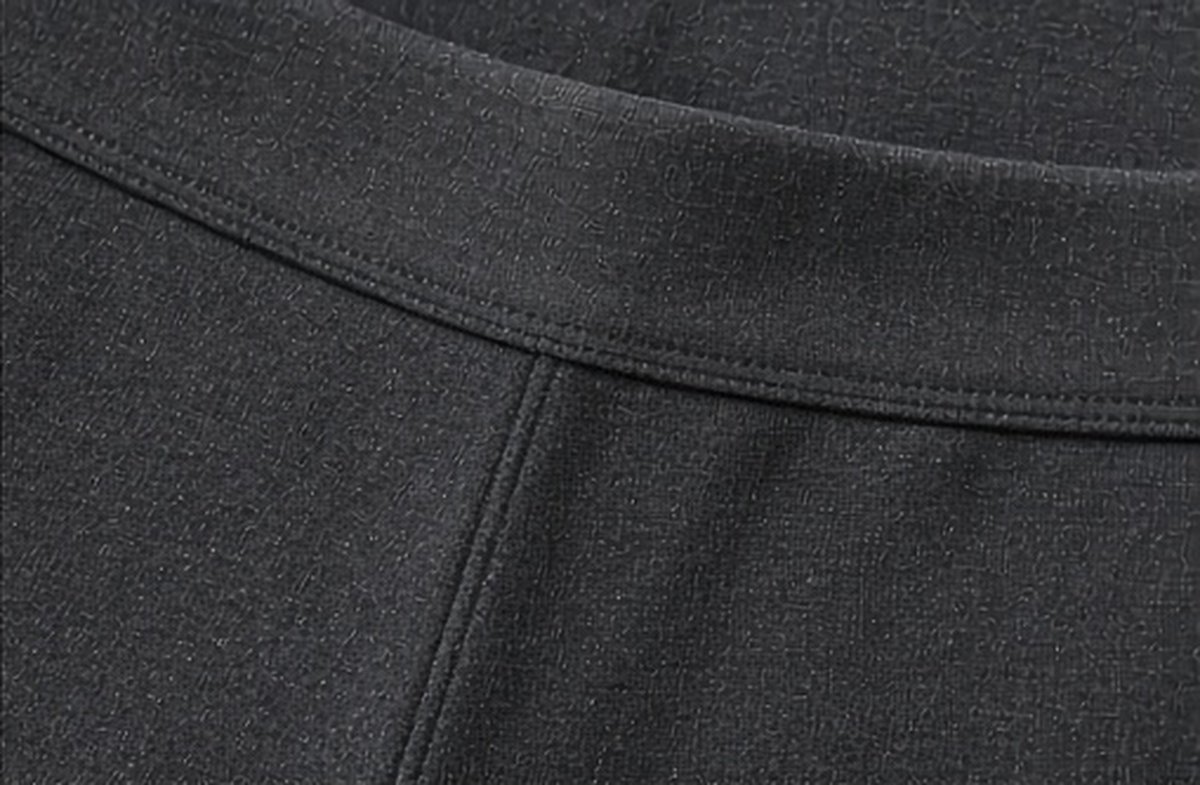
A garment can contain recycled material without arriving with a complete answer about its next destination. Recycled content concerns an input into production. Whether a worn garment can enter a particular collection or recycling route is a separate question about the finished item, its condition and the service receiving it.
Per the brand, State of Matter describes using recycled materials in its clothing. That is the brand's account, not an independently verified end-of-life assessment. This guide does not claim that a particular product is accepted by any recycling scheme. It explains how to keep an appealing material story separate from the practical decision needed later.
Start with the complete garment
Identify the exact item and read its composition information, including separately listed components where available. The main fabric is not necessarily the whole object. Linings, closures, trims and other construction details may be relevant to a receiving service's requirements.
Keep the product identity with the information rather than relying on the brand name alone. A homepage statement can describe a direction without specifying every item in a collection. If the exact composition is missing, record that uncertainty instead of filling it with a blend remembered from another garment or inferred from its stretch and appearance.
Separate the two material questions
Ask first what the brand actually states about recycled inputs. Then ask what the finished item can do next. Do not turn an answer to the first question into a claim that the garment is endlessly recyclable, accepted locally or part of a closed loop.
Those phrases describe more than the presence of recycled content. They require their own evidence and scope. Keeping the questions separate does not dismiss the input story; it makes the story more accurate. A useful statement remains useful without being expanded into a promise about every later stage of the garment's life.
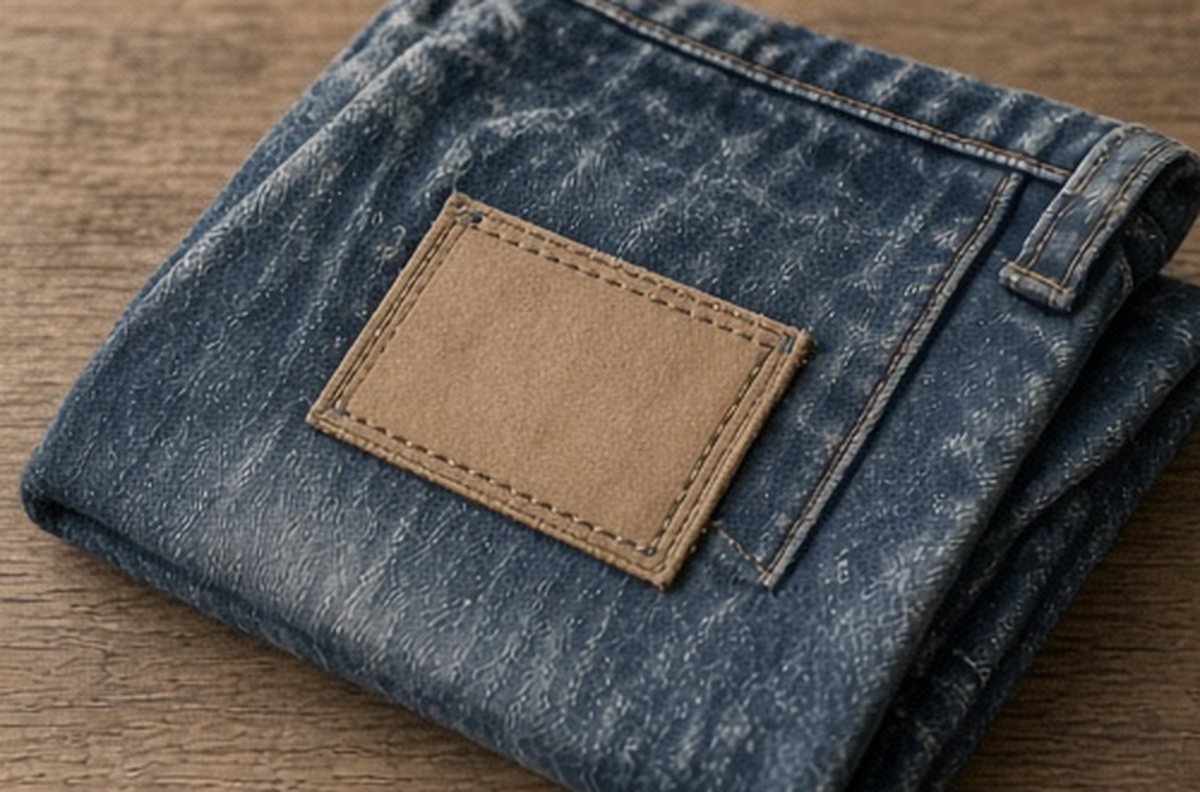
Assess whether it remains wearable
Before looking for a recycling route, consider the garment's actual condition and your own needs. It may still have a clear use in your wardrobe, need an appropriate repair assessment or be suitable for another person's use under an honest description.
Do not treat recycling as a reason to discard a wearable item simply because a new option looks appealing. Equally, do not pass on something unsuitable as though another person must solve it. The decision should begin with the complete garment and a realistic condition assessment, not with a desire to give every outgoing item a reassuring label.
Ask the service about acceptance
Read the receiving organisation's current rules for the exact category and condition. A textile collection point, clothing donation service and fibre-recycling process are not automatically the same thing. Use the service's own description rather than guessing from the container's appearance.
If the instructions are unclear, ask whether the actual item is accepted and what preparation is required. Do not deposit it first and assume the service will sort everything out. A route is practical only when it applies to the garment and location in question, not merely because a general article describes recycling somewhere else.
Do not remove components by guesswork
Avoid cutting out trims, closures or labels unless the receiving service specifically requires an appropriate preparation step that you can safely perform. An improvised disassembly is not proof that the material has become suitable for a process. It can also remove useful identification or change the item's condition.
If preparation requires skills or equipment you do not have, clarify the route rather than experimenting. The useful task is obtaining accurate instructions. A garment does not become more responsibly managed simply because it has been reduced to pieces that no confirmed service has agreed to receive.

Keep destination claims modest
If a service describes collection without explaining a final material process, do not present the handover as verified fibre-to-fibre recycling. Say what is actually known. Acceptance by a collection service and a specific final outcome are different facts.
You do not need to investigate every industrial detail to use an appropriate service, but you should avoid inventing certainty when describing the action. The same care applies to the original brand story. Attribution and clear boundaries allow useful information to remain informative without turning either the product or the handover into a larger claim than the evidence supports.
Save the few details that help
Keep the composition, item identity and any relevant service instructions in a simple garment record. If the piece remains in use, those details may help with later care, repair or an honest handover. A short accurate note is more useful than an elaborate sustainability score built on assumptions.
Update the record when something material changes, such as a repair or alteration you know about. Do not calculate environmental savings from a disposal decision without an appropriate basis. The practical goal is preserving information that supports the next real decision, not assigning the garment a reassuring number.
Let the next route be specific
Choose the action you can actually establish: continued use, an agreed repair, a suitable transfer or an accepted collection route. If no appropriate service is available, acknowledge that limit and seek local guidance rather than declaring the item recyclable in principle and leaving the practical question unanswered.
A recycled-material story describes one part of clothing production. A responsible next step needs its own information about the complete garment and the receiving process. Keeping those stages distinct makes it easier to value the brand's stated inputs while making a realistic, clearly described decision about what happens after your own use ends.